


Las Vegas Tips for First-Time Visitors: 10 Things I Wish I Knew
First-time visitors to Las Vegas are often caught off guard by resort fees, expensive cocktails, and how much walking the Strip requires. After 14 trips to Las Vegas, we’ve learned the hard way what matters most, including where to stay, what to skip, what’s actually free, and how to make the most of a short trip. These Las Vegas tips and tricks for first-time visitors will help you avoid common mistakes and plan a better trip from the start.
1. Resort Fees Are Unavoidable for Most Stays
There’s no way around resort fees for most hotels on the Las Vegas Strip. Book directly and the fee may already be folded into your total. Book through a third-party site and it often gets charged at check-in, and taxed on top. Book on points and you’ll still pay it unless the hotel specifically waives fees for award stays.
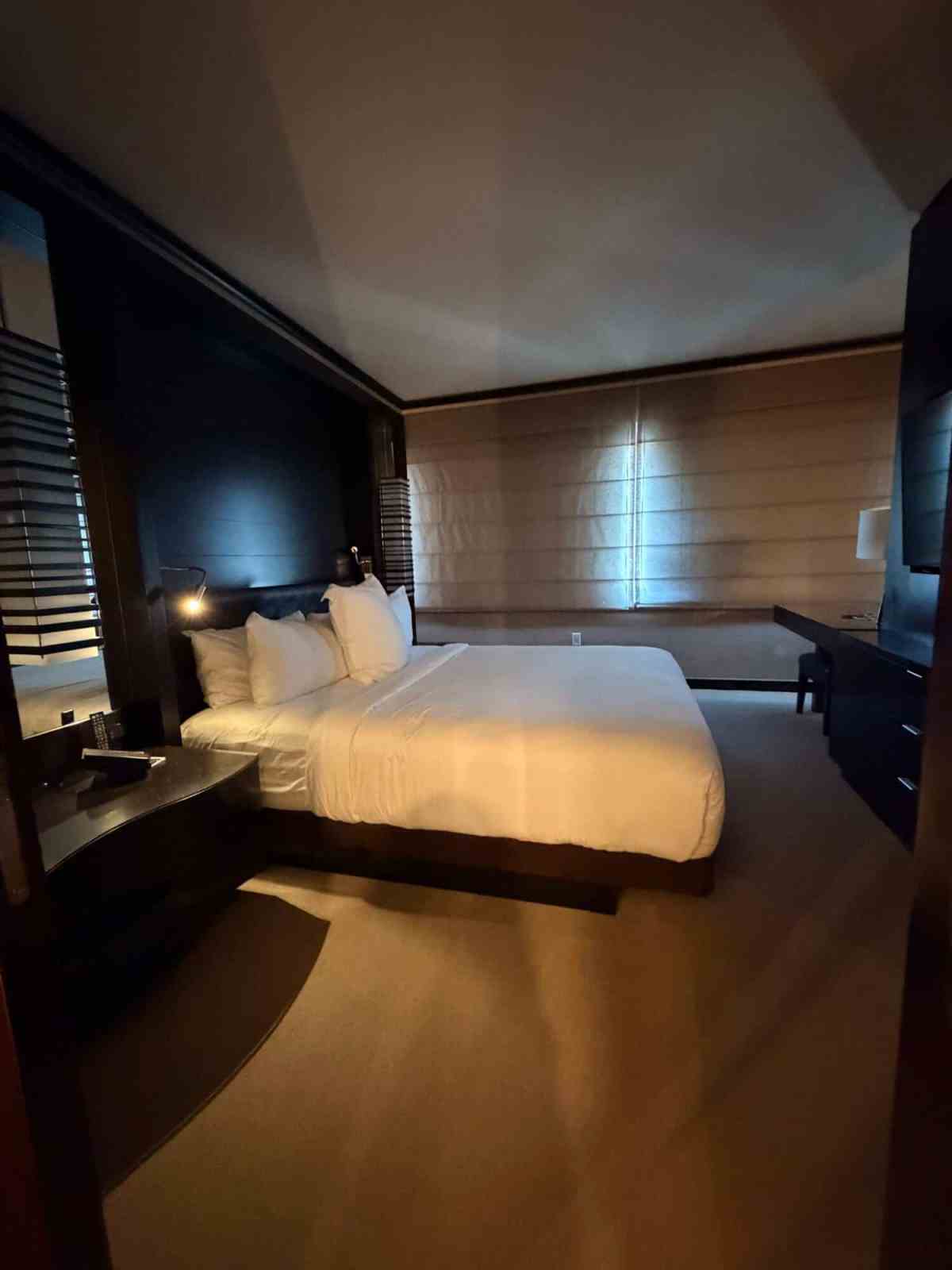
On our last trip we stayed one night at Vdara Hotel & Spa, which we booked on points through the Chase travel portal. The resort fee was $55 plus tax, and charged even though we were there for a single night and never touched a “resort” amenity. Vdara isn’t even a resort, and we still had to pay. That’s an unfortunate reality of staying on the Las Vegas Strip.
Pro Tip: A handful of downtown and off-Strip properties skip the resort fee entirely. If avoiding the fee matters more than a Central Strip stay, that’s where to look. Otherwise budget $25 to $55 per night on top of your rate and look to see if it’s included in your purchase or charged at check in.
2. Cheap Vegas Is Mostly Gone on the Strip
Budget Vegas still exists. It’s just not on the Strip anymore, unless you’re staying at the older north end. We paid over $30 last month for a Tito’s espresso martini after tip and tax, and that’s normal now. So, be sure to look at menus with prices before you sit down anywhere, because the sticker shock is no joke.
One workaround is food halls. Several casinos operate elevated food courts that are steps above typical fast food, with lower-priced plates from chefs and brands you’ll recognize. Famous Foods Street Eats at Resorts World Las Vegas is a good example, and Bobby’s Burgers has locations at spots up and down the Strip. None of it is truly cheap, but it costs far less than the celebrity sit-down restaurants and you still eat well.
Pro Tip: Prices drop the moment you leave the Strip, but most first-timers never do. If you’re staying central, plan around Strip pricing and check out the food halls to balance your budget.

3. Set a Gambling Budget Before You Sit Down
Speaking of budgets, it’s important to decide what you’re willing to lose before you play any games, and stick to it. Set a daily number even if you’re just feeding slots for the “free” drinks, because those “free” drinks add up fast in losses if you’re not careful. Yes, you can still get free drinks playing slots in most places, but please tip your servers well. Also, get the casino rewards card if you plan to gamble at all. It’s free and it’s worth it for the occasional perk or comp.
Mistake to Avoid: The ATMs on the casino floor dispense $100 bills. Don’t feed a $100 bill into a slot machine expecting to cash out the balance. The slot machine will happily take all of it in a hurry. Break your bills into smaller denominations before you play.
4. The Next Casino Is Always Farther Than It Looks
Distances on the Strip are deceptive. The next casino over can be a pretty far walk, because the casinos are enormous. Even getting from your room to a restaurant inside one property takes longer than you’d guess.
Wear comfortable shoes. I learned this the hard way in my 20s: I prioritized cute shoes, got blisters, took the shoes off, and stepped on broken glass on the sidewalk. Don’t make that mistake.
Drink far more water than feels necessary. Between the alcohol, the salty food, and desert heat of well over 100 degrees in summer, dehydration sneaks up on you fast.
Pro Tip: Don’t march straight down the Strip in the heat. Cut through the casinos and pop out on the connecting walkways and escalators between properties. You’ll stay in the air conditioning, the distance feels shorter, and you’ll skip the vendors and sales people who work the sidewalks and flag you down every block.

5. Casinos Are Designed to Get You Lost
Casino floors are built to disorient you and keep you inside. There are no clocks, no easy exits, and the path to a restaurant or theater rarely follows a straight line. When you’re trying to get somewhere, follow the signage closely or hug the edges of the floor rather than cutting through the middle.
Our favorite casino to navigate is Wynn Las Vegas. It’s laid out clearly, which makes a big difference on a first trip when you’re still finding your bearings.

6. Base Yourself a Block Back
Where you stay shapes your entire trip. Casino hotels are loud and can feel claustrophobic for sleeping, even though they’re a blast to be in. Our move is to stay a block off the Strip, still central, somewhere like Hilton Garden Inn or Courtyard by Marriott, or Vdara Hotel & Spa for a pricier, upscale, non-gaming stay. You’re in the heart of everything without the casino noise. If you want to be inside a casino property, our favorites are Wynn Las Vegas and New York-New York Hotel & Casino.
🎲 1 Night in Las Vegas: Why NYNY Delivers the Best Experience
Here’s one orientation rule we always follow: We stay between Mandalay Bay Resort and Casino at the south end and Treasure Island Hotel & Casino at the north. That stretch holds the landmarks most travelers are looking for on their first trip to Las Vegas. The older north end of the Strip past Treasure Island isn’t our preference for a base, though it can be appealing for budget travelers (more on that below).
Pro Tip: Match your hotel base with the top things you want to see and do in Vegas. With limited time, the closer you are to the attractions you want to see, the less of your trip you’ll spend walking. So, for example, if you want to see Mad Apple by Cirque du Soleil, have a steak dinner at Gallagher’s Steakhouse, and see the Bellagio water show, stay somewhere between NYNY and the Bellagio Hotel & Casino on that side of Las Vegas Blvd.

7. See the Free Stuff (There’s More Than You Think)
Some of the best things in Vegas cost nothing, and first-timers skip them because they don’t know where to find them.
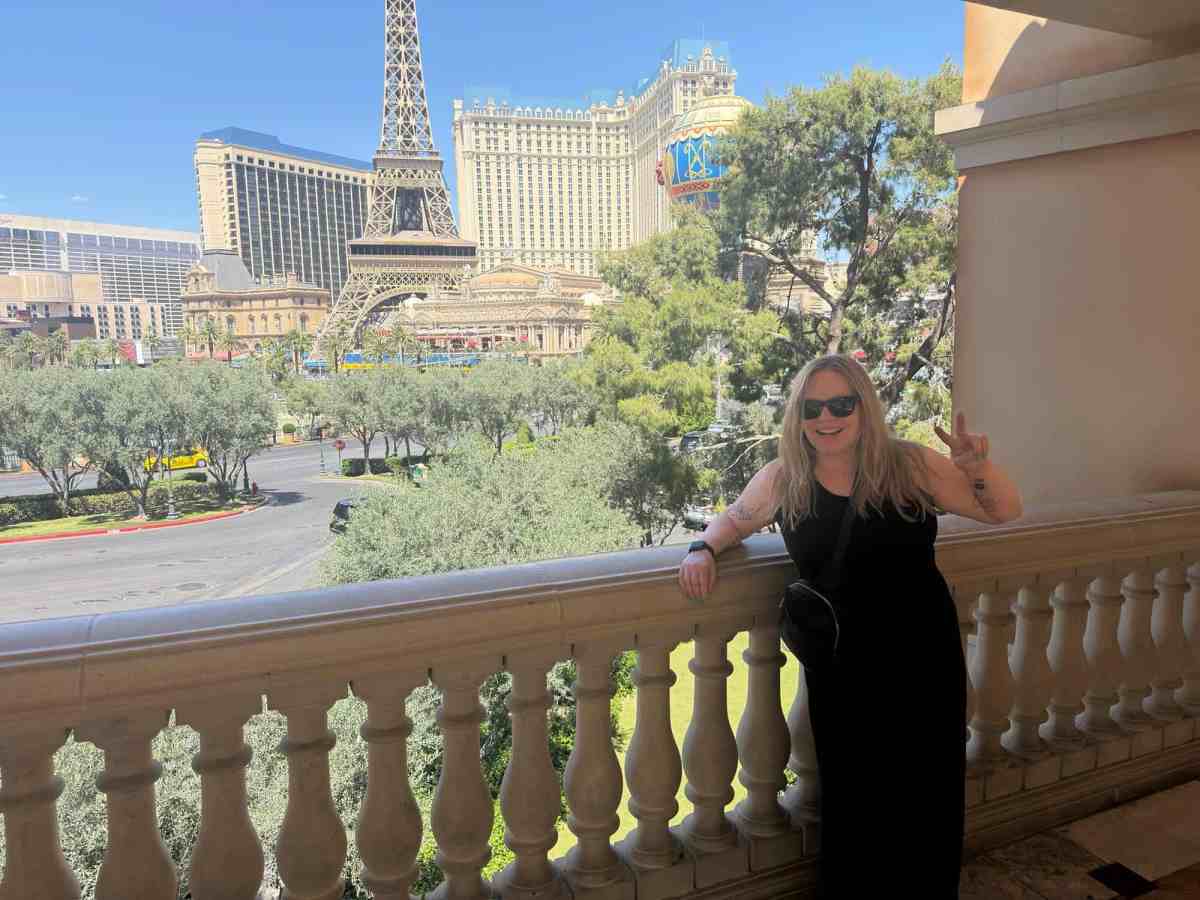
The Bellagio Hotel & Casino fountains operate on a schedule all day and into the evening, and are free to view from the sidewalk. Inside, the Bellagio Conservatory and Botanical Gardens changes its installation five times a year and is great to check out for 15 to 30 minutes. The Forum Shops at Caesars Palace recreate a Roman streetscape under a painted sky that cycles from day to night, and the scale of it still impresses us after years of visits. At Wynn Las Vegas, the Lake of Dreams show plays after dark with light, water, and a projection that’s viewable from a few spots inside the property.
Luxe-for-Less Tip: String the free attractions into your evening Strip walk. They break up the distance, some are indoors or shaded in spots, and they cost nothing while everything around them drains your bank account. View the Bellagio fountains from the shaded area on the walkway coming from the Cosmopolitan of Las Vegas.
8. Pick Shows by Your Taste, Not the Hype
Vegas has a show for everyone, and the trick is matching one to what you actually enjoy. We love every Cirque du Soleil show we’ve seen. Some of the magic and showgirl revues just feel cheesy to us, though plenty of people adore them. Do a little research and pick what fits your style rather than booking whatever tops a list.
Mistake to Avoid: When you book a Cirque show, watch your seat selection. At “O” at Bellagio Hotel & Casino, the level 2 aerial seats didn’t hide the mechanics behind the magic, like the scuba divers, which took some of the wonder out of it for us. Aim for seats that preserve the illusion.
9. Las Vegas Isn’t Hot Year-Round
You may picture endless desert heat and pack accordingly, but that’s not true year-round. Summer days do reach well past 100 degrees, and you should plan accordingly. But winter is a different story. It gets cold, especially at night, and an evening Strip walk in January will have you longing for a jacket. Check the actual forecast for your dates and pack for the season you’re traveling in.
10. Get Out of the Airport Fast and Take the Direct Route
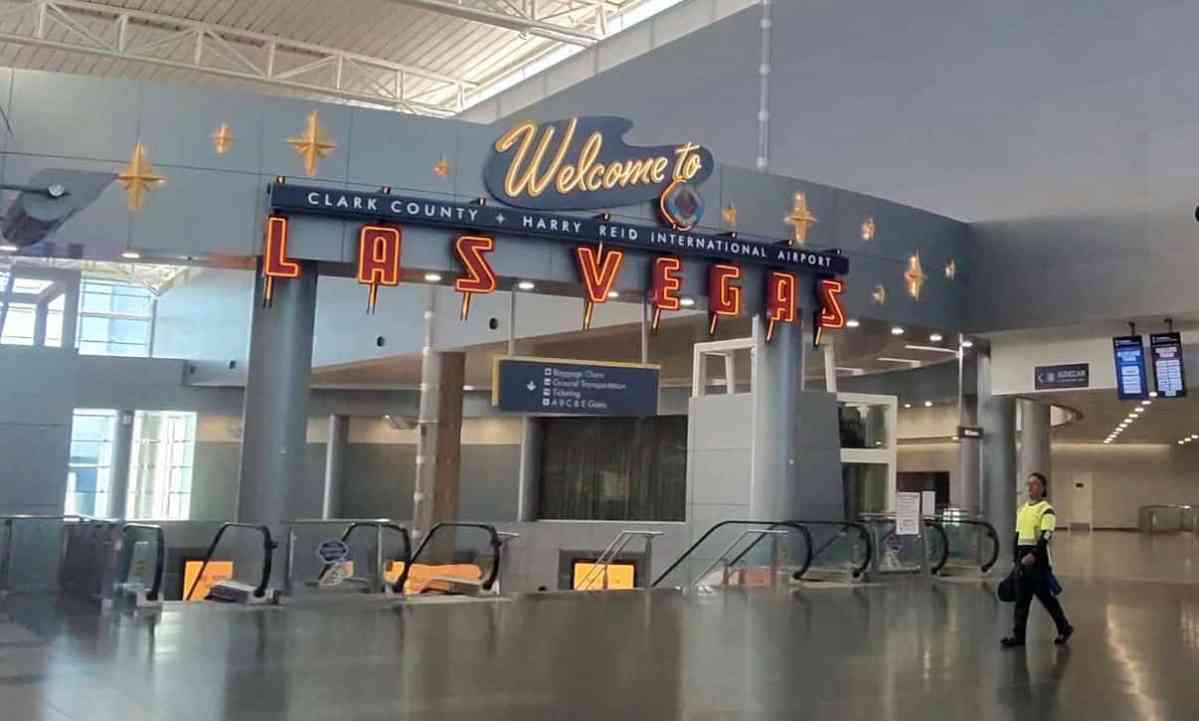
The taxi line at Harry Reid International is well organized and moves quickly, so it’s often the path of least resistance straight off your flight. Tell your driver to take the most direct route, not the scenic one down the Strip. The direct way is faster, and you don’t see much from a car on the Strip anyway.
For getting around once you’re there, the monorail can be an effective way to cover ground when it’s running, though in our experience it’s out of service as often as not. Don’t build your plans around it, but use it when you need it. Walking the connected casino paths and calling the occasional rideshare work well for us on every trip.
Where to Find Budget Savings Off the Strip
If your budget is tight, you’ll still find meaningful value on the older north end of the Strip and downtown Las Vegas. Downtown around the Fremont Street Experience is noticeably cheaper than the central Strip for food, drinks, and table games, with minimums that start far lower than what you’ll find at places like the Bellagio Hotel & Casino. The Fremont Street Experience itself is free with LED light shows and live music nightly.
Classic older-Strip properties like Circus Circus are available on a budget too, and some downtown and off-Strip hotels skip resort fees entirely, which gets you even more savings. The tradeoff is distance and quality. Some spots are in desperate need of an upgrade, and you’ll spend more on rideshares getting to the central Strip landmarks, so weigh the room savings against the transport cost and your comfort.
Luxe-for-Less Tip: The best way to plan a Vegas trip on a budget is to watch your timing. The same room can be 40 to 60 percent cheaper Sunday through Thursday than on a Friday or Saturday. Also, just depending on what events are in town, two weekends in the same month can have vastly different hotel prices. If you’re flexible, always check hotel prices and dates before you lock in your airfare.
Planning a Bigger Southwest Trip?
Vegas is the perfect starting point for an American Southwest road trip to the national parks of Utah and Arizona. We did a Vegas loop for an eight-night trip through Zion, Bryce Canyon, Monument Valley, and the Grand Canyon before circling back. If you’re planning your first Las Vegas trip as the start of a bigger Southwest road trip, check out our full National Parks itinerary that maps the whole route and includes the best places to stay for a memorable trip.
👉 Read our full guide: Las Vegas to Grand Canyon Road Trip: Best National Park Loop

Las Vegas Tips for First-Time Visitors: Frequently Asked Questions
Are Las Vegas resort fees mandatory?
On the Strip, yes. Resort fees cost roughly $25 to $55 per night plus tax and apply even to some points bookings and even at non-gaming hotels, unless a property specifically waives them. A few downtown and off-Strip hotels charge no resort fee at all, which is worth researching for the savings.
How much money should I bring for a first trip to Las Vegas?
It depends entirely on your style, but plan for more than you’d expect on the Las Vegas Strip. A sit-down dinner can cost $95 or more per person, cocktails shocked us at $30 each on our last trip, and show tickets average around $100 – and that’s before gambling. Setting a daily budget for food, entertainment, and gambling is essential because Vegas is designed to take all your money.
What’s the biggest mistake first-time Las Vegas visitors make?
Underestimating distance and cost. The Strip is far longer than it looks and the casinos are huge, so comfortable shoes and plenty of water are very important.
When is the cheapest time to visit Las Vegas?
Midweek is cheapest on average. Sunday through Thursday rates generally cost 40 to 60 percent below weekend pricing for the same room. But weekend rates vary widely depending on what events are going on. If your dates are flexible, always check the weekend before or after and try a Saturday to Tuesday instead of Thursday to Sunday if you’re looking for a 3-night stay. Oh yeah, and anything more than 3 nights in Vegas is too much.
Is one day enough for a first time in Las Vegas?
One full day and night covers enough to have a true Vegas experience. You can build in dinner, a show, a Strip walk past the free attractions, and a late-night stop for music and dancing. Two or three days lets you add day trips, more shows, and some time by the pool. As noted above, anything over 3 nights in Vegas is too much.

Have you been to Las Vegas? Let us know in the comments.
Explore More of Our Southwest Adventures!


