


Brussels Day Trip Guide: How to Visit From Paris or Amsterdam
Brussels is one of the easiest day trips in Europe, and it still gets overlooked. Most travelers simply pass through on their way somewhere else, but that’s a mistake. The Grand Place alone is worth the stop, and the food scene goes far beyond the chocolate and waffle shops you see in tourist posts. We’ve stayed in Brussels for a few nights, but we’ve also done it as a day trip from both Paris and Amsterdam, and it works beautifully from either direction. Here’s how to plan it, what to see, and what to eat.
Getting to Brussels From Paris or Amsterdam
From Paris: The Thalys or Eurostar high-speed train from Gare du Nord gets you to Brussels in about 90 minutes. It’s one of the easiest train connections in Europe. You leave from the same station you arrived at from CDG airport, so the logistics are simple. On our last trip, we stayed at an Airbnb on a quiet, more local street in Paris near Gare du Nord. That made it easy to get to and from CDG airport and do the day trip to Brussels.
From Amsterdam: The train from Amsterdam Centraal to Brussels takes about 1 hour and 45 minutes. It’s a longer ride than from Paris, so set off earlier. We recommend catching the first convenient morning train to give yourself a full day before heading back. If you’re making a longer trip of it, Brussels works well as an overnight from Amsterdam, too, which gives you a relaxed evening in the city and a morning to explore before heading onward.
Pro Tip: Brussels has multiple train stations, and this confuses a lot of first-time visitors. The main ones are Brussels-Midi (also called Bruxelles-Midi or Zuid), Brussels-Central, and Brussels-Nord. International trains from Paris and Amsterdam arrive at Brussels-Midi, which is not in the center of town. Don’t try to walk to the Grand Place from there. Take public transit to Brussels-Central or grab an Uber to the historic center and the main sights.
What to Do in Brussels
The Grand Place
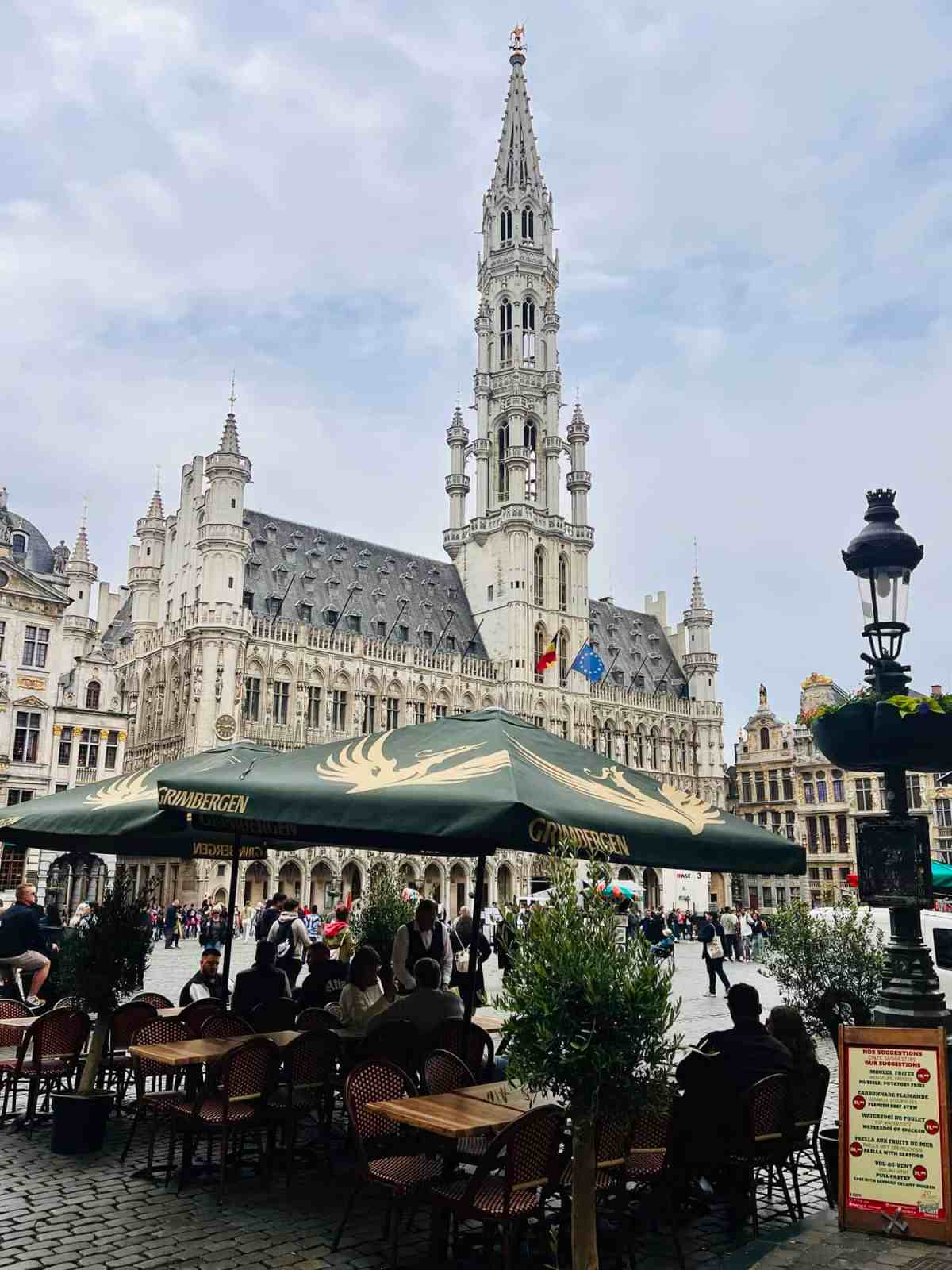
The Grand Place is the main square, and it’s one of the most impressive public spaces in Europe. We’ve watched dozens of people turn the corner from a narrow side street and drop their jaws when they see it for the first time. The ornate guild houses surrounding the town hall are extraordinary, and the scale of it catches you off guard no matter how many photos you’ve seen. It’s free, it’s central, and it anchors the rest of your day.
Manneken-Pis and Jeanneke-Pis
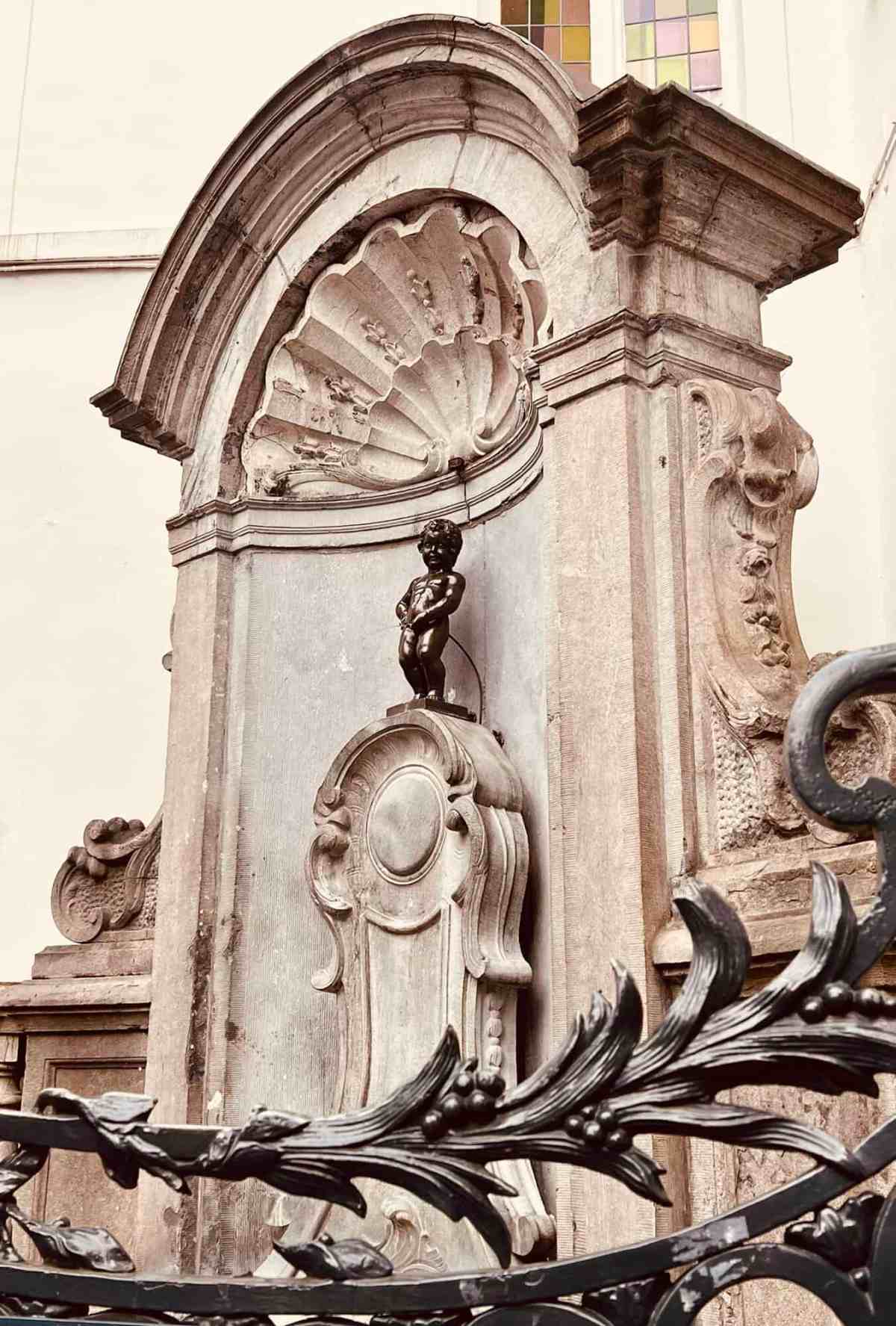
A short walk from the Grand Place, Manneken-Pis is Brussels’ most famous and most anticlimactic landmark. It’s a small bronze statue of a boy urinating into a fountain. Weird. It’s also much smaller than you expect. His female counterpart, Jeanneke-Pis, is tucked into a small alley nearby. Both are worth the five-minute detour for the novelty, and the surrounding streets are full of good food stops.
Galeries Royales Saint-Hubert
This gorgeous 19th-century glass-roofed shopping arcade is located near the Grand Place and is worth a walk-through. It houses boutiques, cafés, and several excellent chocolate shops. The architecture is beautiful and it’s a good place to duck into if the weather turns – which can easily happen in this region.
Belgian Beer Tasting
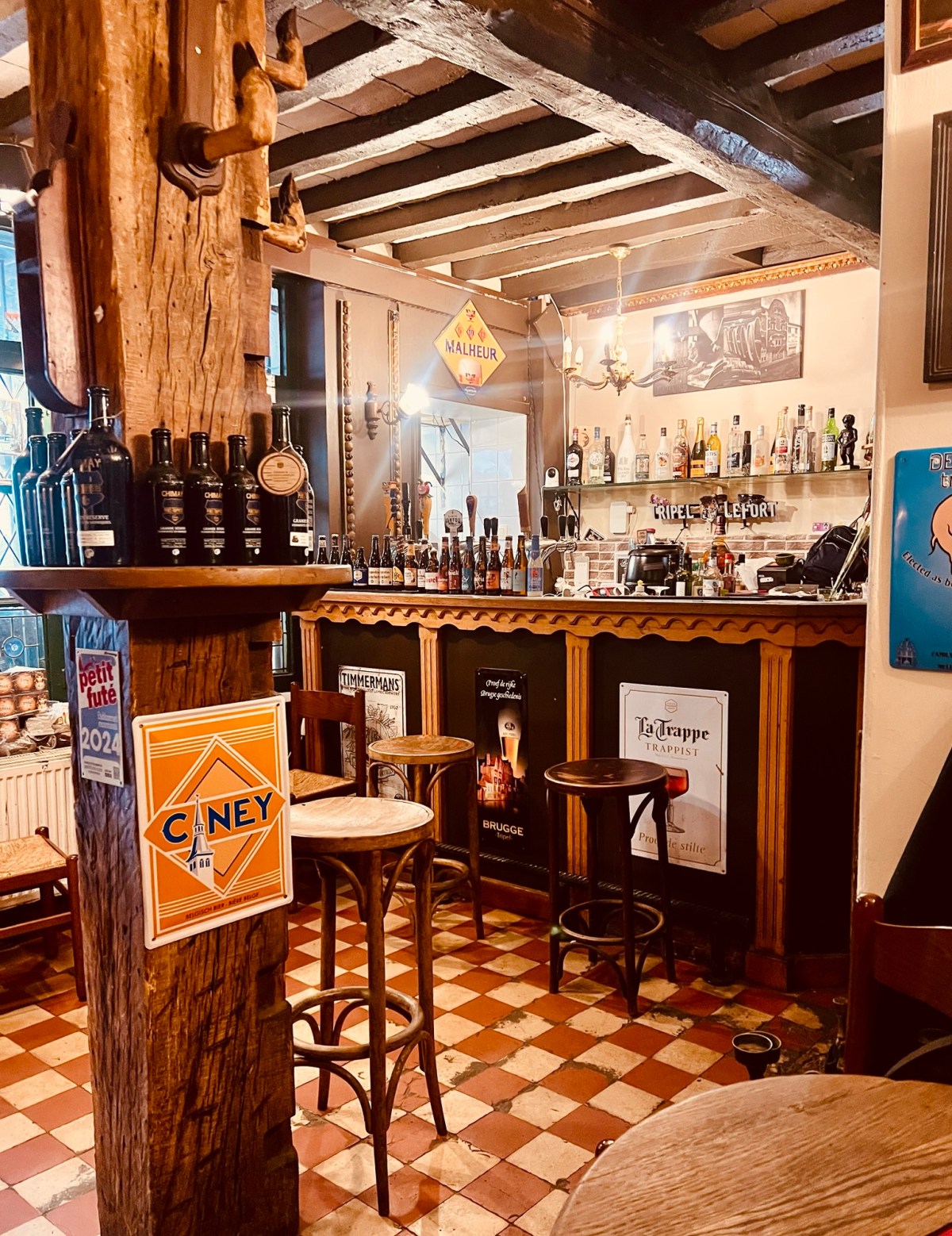
Brussels takes beer seriously. A La Bécasse, founded in 1877, is one of the oldest traditional taverns in the city and a good place to try a lambic – which is a spontaneously fermented sour Belgian beer that’s unlike anything else you’ve ever tasted. The Delirium Café, located a few streets over, serves over 2,000 beers from around the world if you want something overwhelming in a fun way.
The Royal Museums of Fine Arts of Belgium
If you want a museum stop, the Royal Museums of Fine Arts is the best choice. It contains a large collection spanning Old Masters through modern Belgian art. It’s worth an hour or two of exploration, though on a day trip with food goals, you may find the time better spent wandering.
WithLocals 10 Tastings of Brussels
If you’ve read our other city guides, you know we’re big fans of WithLocals private tours. When you’re short on time, this is often the easiest way to see and taste the highlights of a city without wasting time getting lost or going to the wrong spots.
A local guide will walk with you around the city as you sample 10 tastings and learn about culture and history. Our tour covered Belgian fries, chocolate, waffles, beer, local cheese, and more, with stops at places you wouldn’t necessarily find on your own.
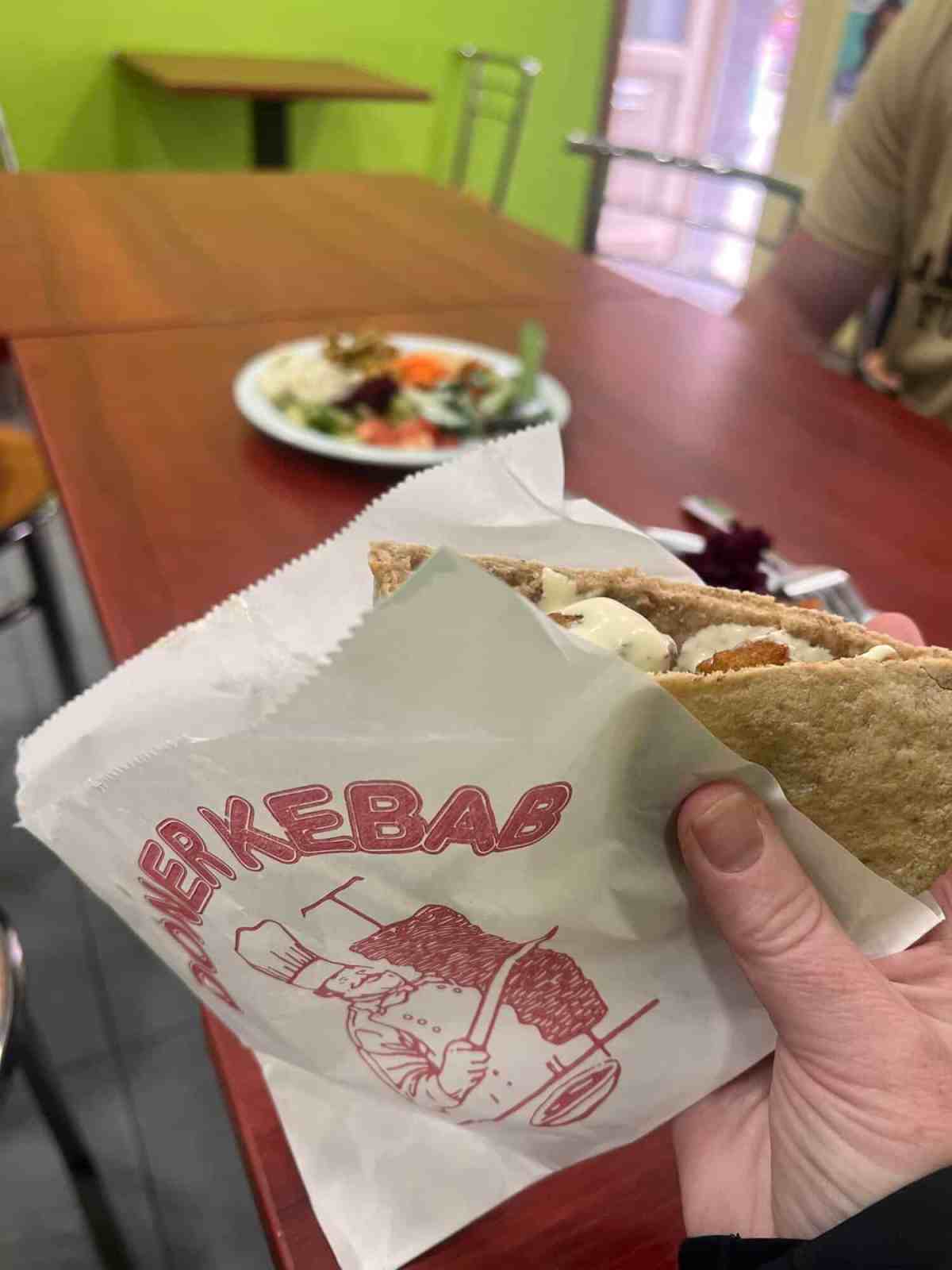
One of our favorite moments was a stop that had nothing to do with Belgian classics. Our stop at Mr. Falafel represented the Middle Eastern culture in the surrounding neighborhood. The place looks unassuming, but the falafel and pita were made fresh while we waited and the vegetable toppings and sauces were amazing.
What to Eat in Brussels
Even without the food tour, these Brussels staples are worth seeking out on your own:
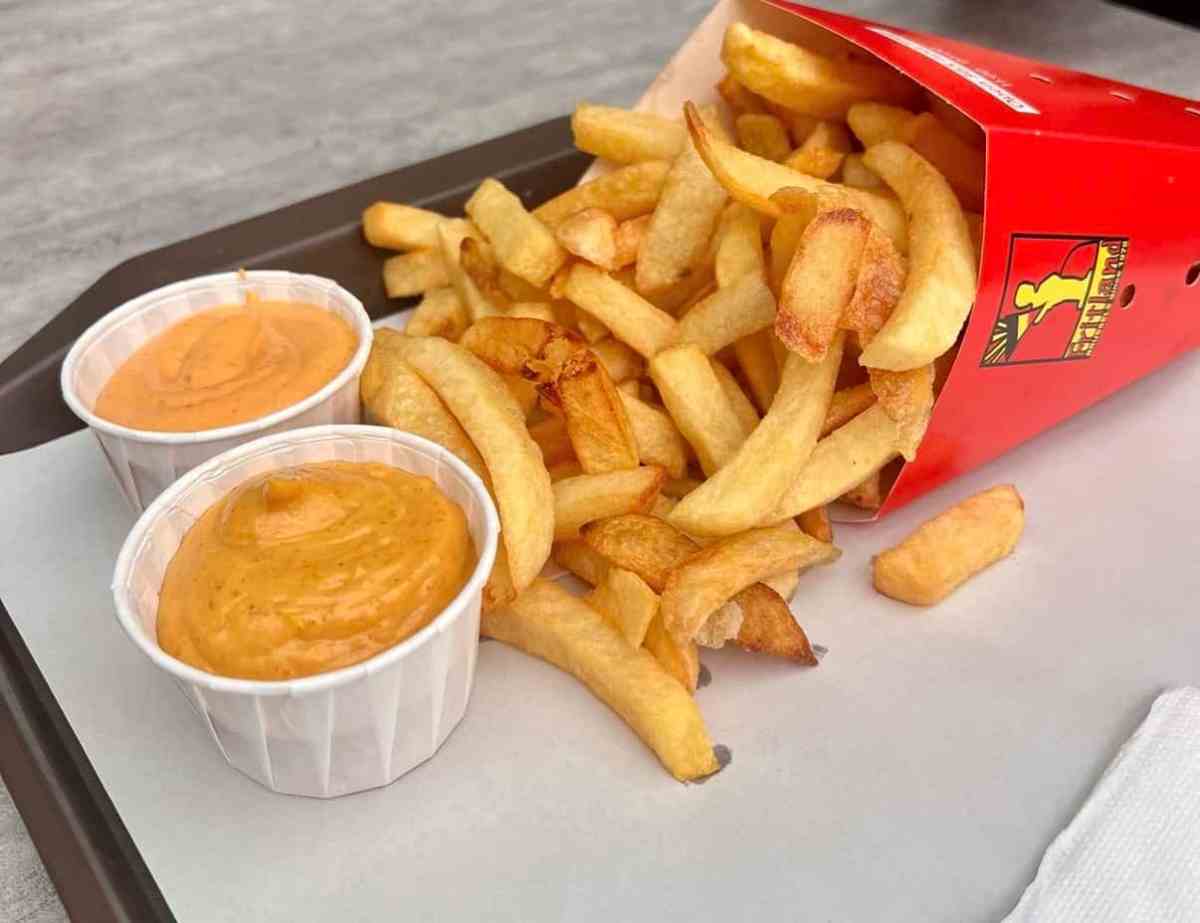
- Belgian Frites: French fries were not invented in France. Belgians will tell you this at every opportunity, and they’re right. Belgian frites are thicker, fried twice for a crispy exterior and fluffy interior, and served with a choice of sauces. The classic is mayonnaise, but we preferred the curry sauce. Find a friterie rather than a tourist stand near the Grand Place.
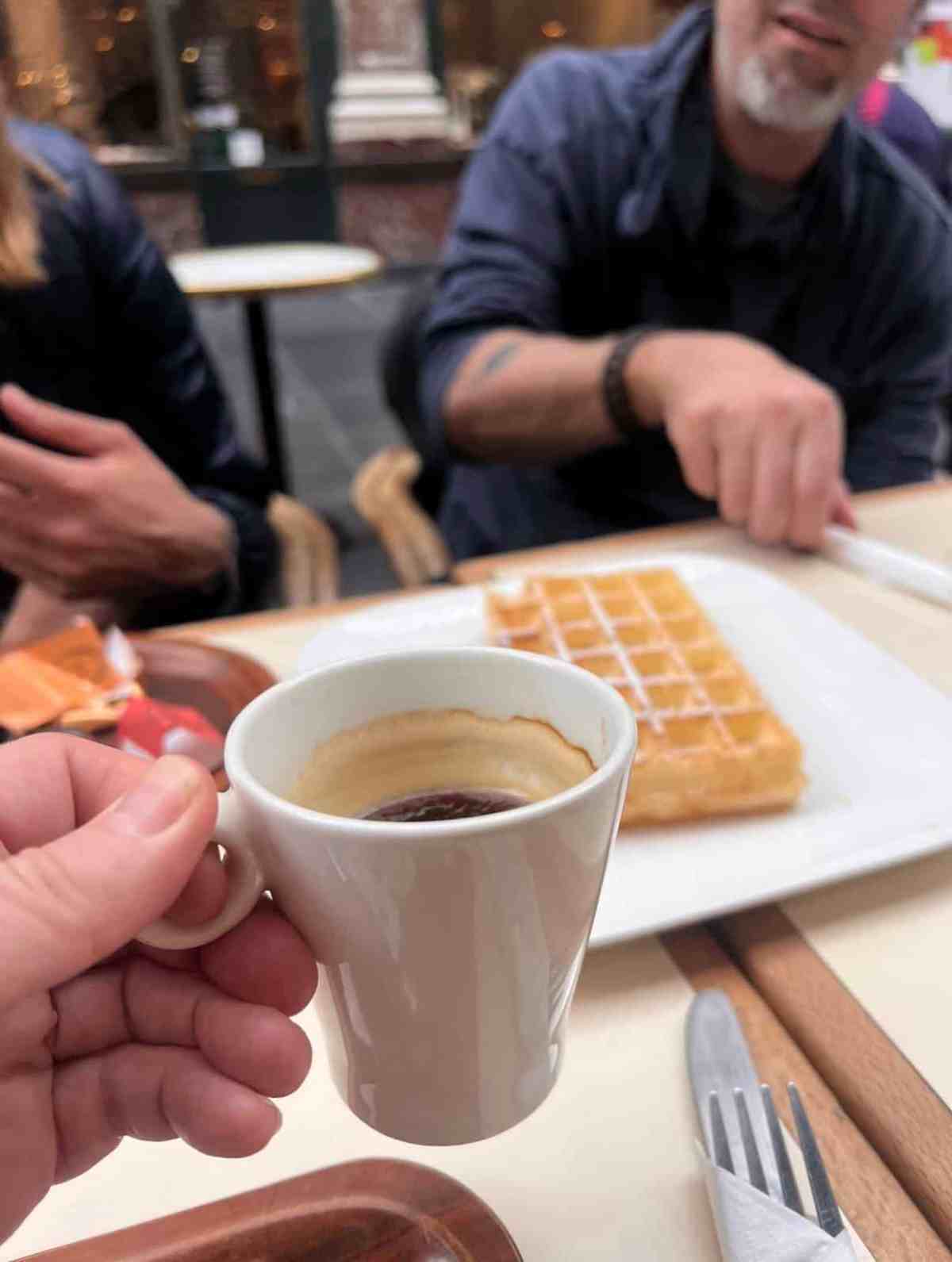
- Belgian Waffles: There are two kinds. The Brussels waffle is rectangular, light, and crispy, traditionally served with powdered sugar. The Liège waffle is denser, chewier, and made with pearl sugar that caramelizes on the iron. Both are worth trying. The ones sold from street carts near major tourist spots are fine. The ones from a proper waffle house are even better.
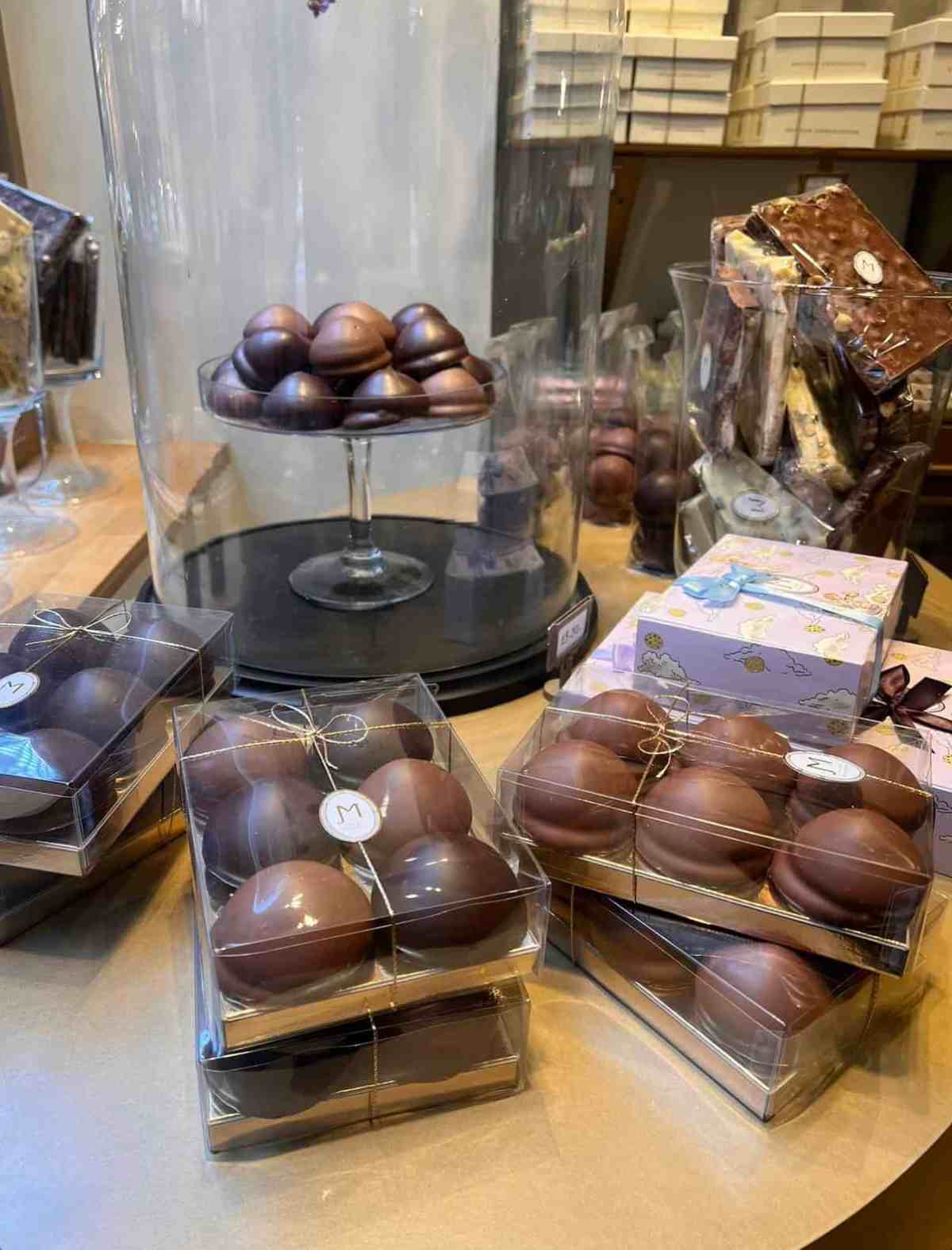
- Belgian Chocolate: The quality gap between Belgian artisan chocolate and what’s sold in souvenir shops is significant. The Galeries Royales Saint-Hubert has several excellent chocolatiers worth stepping into for a praline or a truffle. Pierre Marcolini and Neuhaus are two of the most respected names, both with locations near the center.
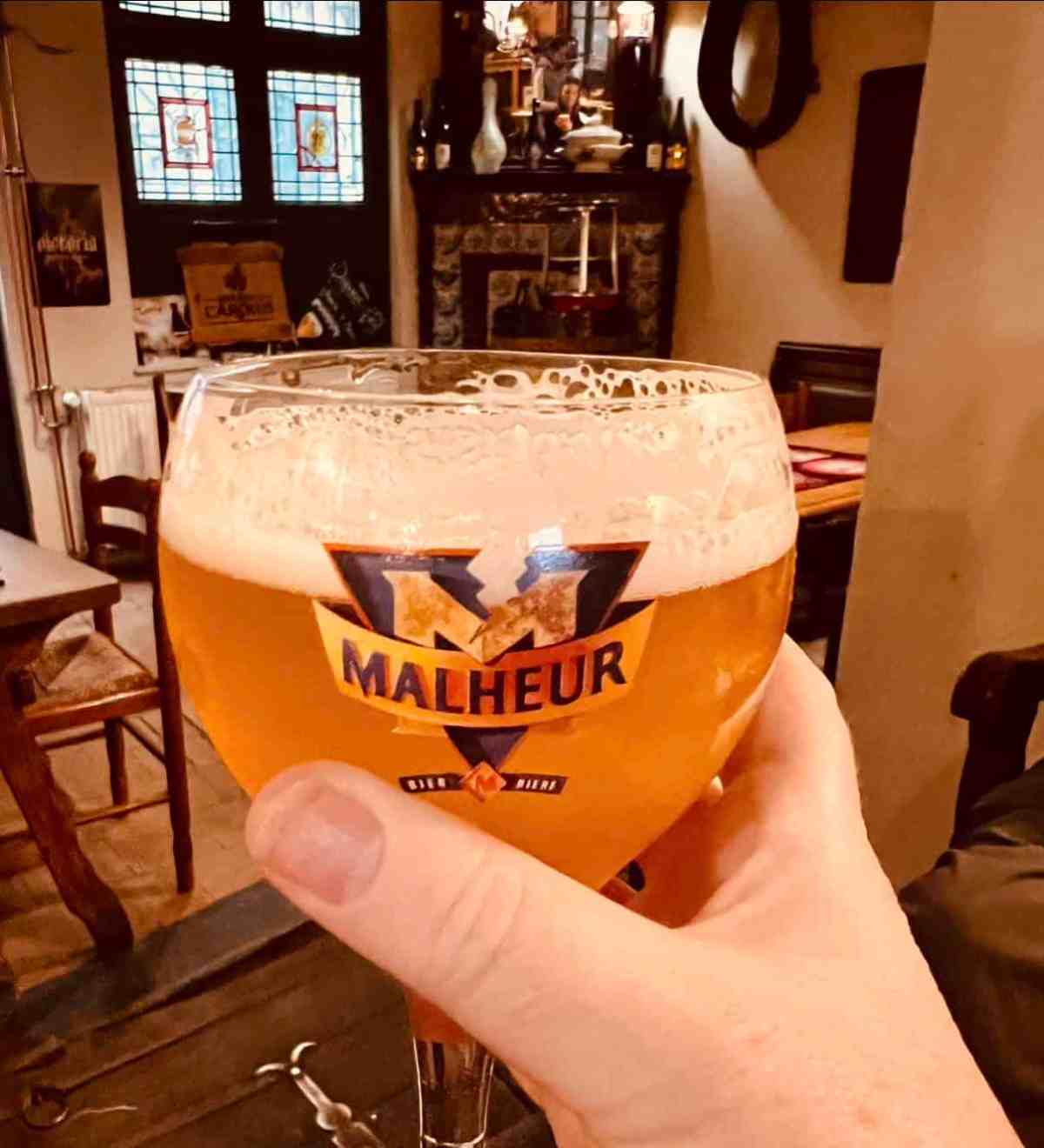
- Belgian Beer: Beyond the tasting stops on the food tour, Belgium produces some of the most complex beers in the world: Trappist ales, lambics, saisons, and abbey beers that don’t fit neatly into any category familiar to most American drinkers. Order something you’ve never heard of and ask the bartender what it is.
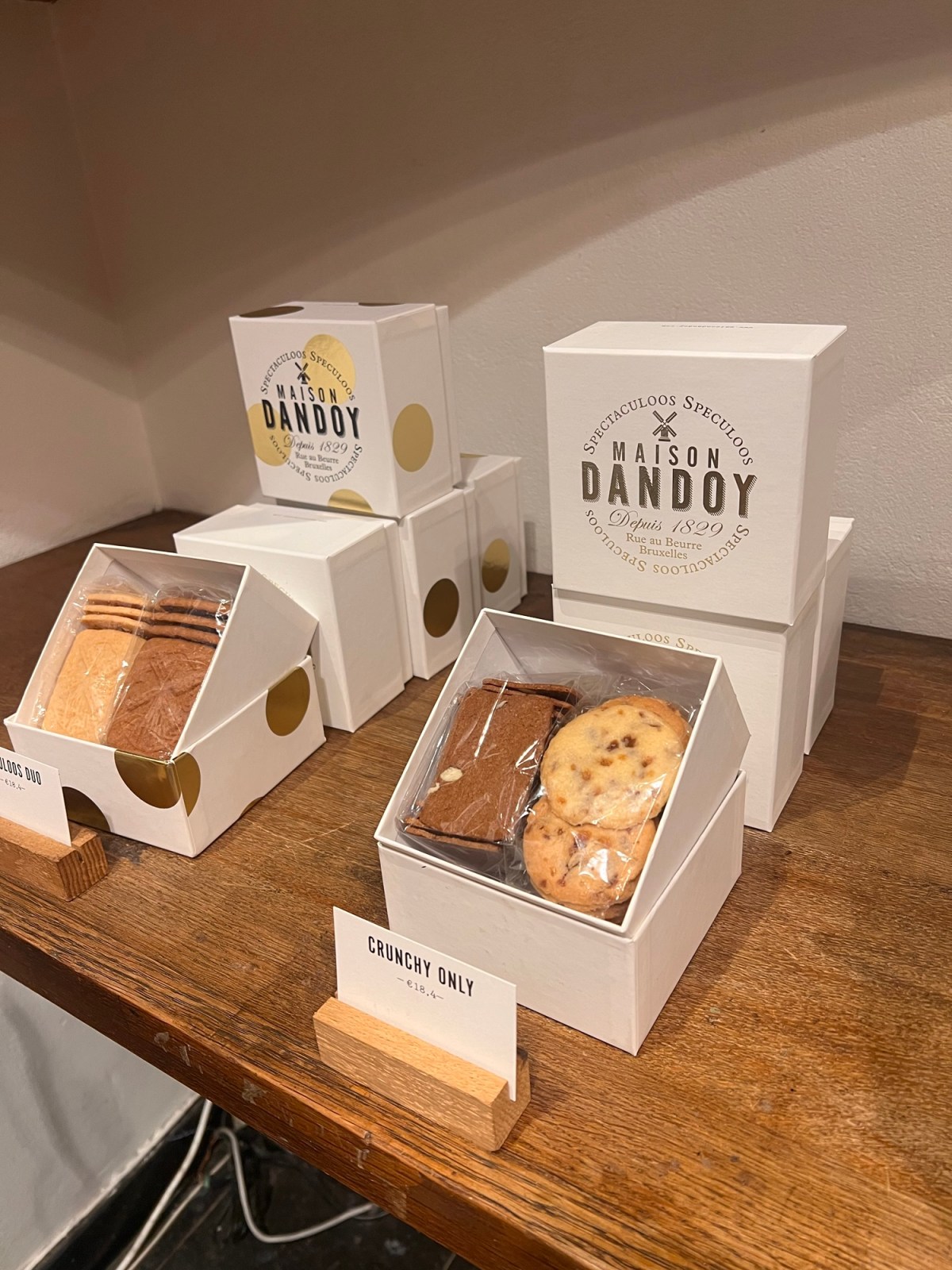
- Speculoos: The spiced shortcrust biscuit that Lotus Biscoff turned into a global phenomenon originated in Belgium, and the version from Maison Dandoy is considerably better than the ones on your last flight. It’s easy to pick up a box to bring home.
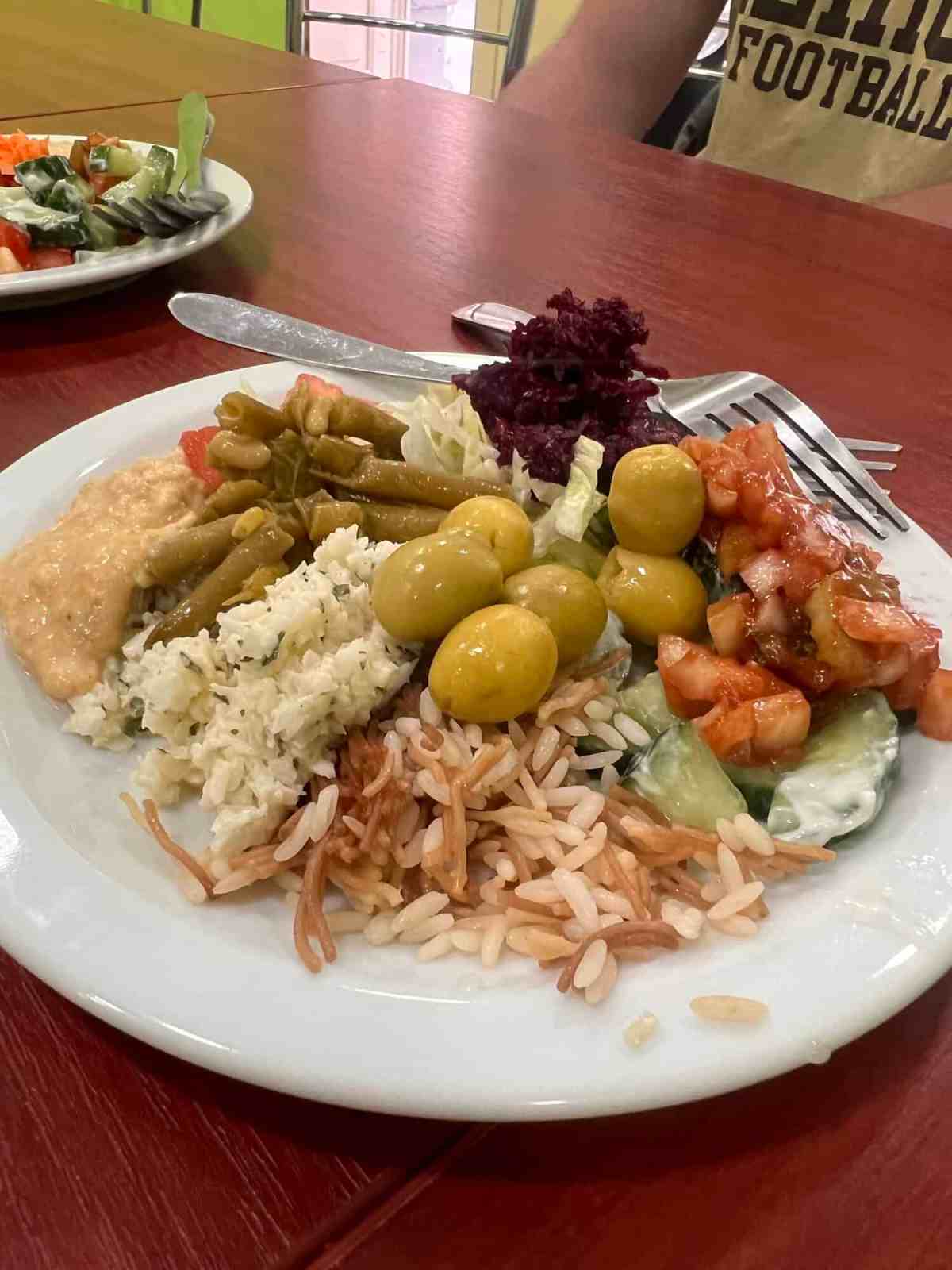
- International Cuisine: Brussels is one of the most multicultural cities in Europe, home to over 160 nationalities, and the food scene reflects it. Don’t limit yourself to Belgian classics.
Practical Notes
- Brussels is compact and walkable once you’re in the center. The main sights cluster around the Grand Place, and most of what you’ll want to see is within easy walking distance.
- The city has three official languages – French, Dutch, and German – and street signs are bilingual in French and Dutch. Most people working in tourism and hospitality speak English, too.
- If you’re coming from Amsterdam and want to stay overnight, Brussels is an easy city to spend an evening in. The restaurant and bar scene in the streets around the Grand Place is lively, and the Delirium Café makes for a great nightcap.

Have you done Brussels as a day trip? Let us know in the comments how you got there and what you ate.
Explore More Of Our City Guides


