


Portugal Travel Itinerary: The Best of Lisbon, Porto, the Algarve, and the Azores
We’ve traveled to Portugal multiple times and keep finding reasons to come back. From Lisbon and Porto to the Algarve and the Azores, this guide covers Portugal’s best regions for a longer itinerary or separate city breaks. The cities are walkable, the food and wine are excellent, and Portugal is still more affordable than much of Western Europe. You’ll also find where we stayed, what to eat, and logistics for getting around.
WHAT’S IN THIS GUIDE
This guide covers Portugal across 4 main regions:
- Lisbon: 3 days in the capital, including how to get around, what to do, and what to eat. Plus Sintra and Cascais: A great day trip and cool coastal stop in the region.
- The Algarve: Lagos and Faro, with coastal cliffs, beaches, and where to stay.
- Porto and the Douro Valley: 3 nights in Porto plus an add‑on at a wine house in the countryside.
- The Azores: São Miguel Island, including flights, where to stay, and how long to spend.
👉 You’ll also find practical tips for transportation, language, currency, and the best times to visit Portugal.
🍷🍽️ Stick around to the end for our breakdown on what to eat and drink in each region.
Heads up: Some links in this post are affiliate links. We may earn a small commission if you book or buy through them, which helps keep our website running at no extra cost to you.
Heads up: Some links in this post are affiliate links. We may earn a small commission if you book or buy through them, which helps keep our website running at no extra cost to you.
3 DAYS IN LISBON
Getting Around
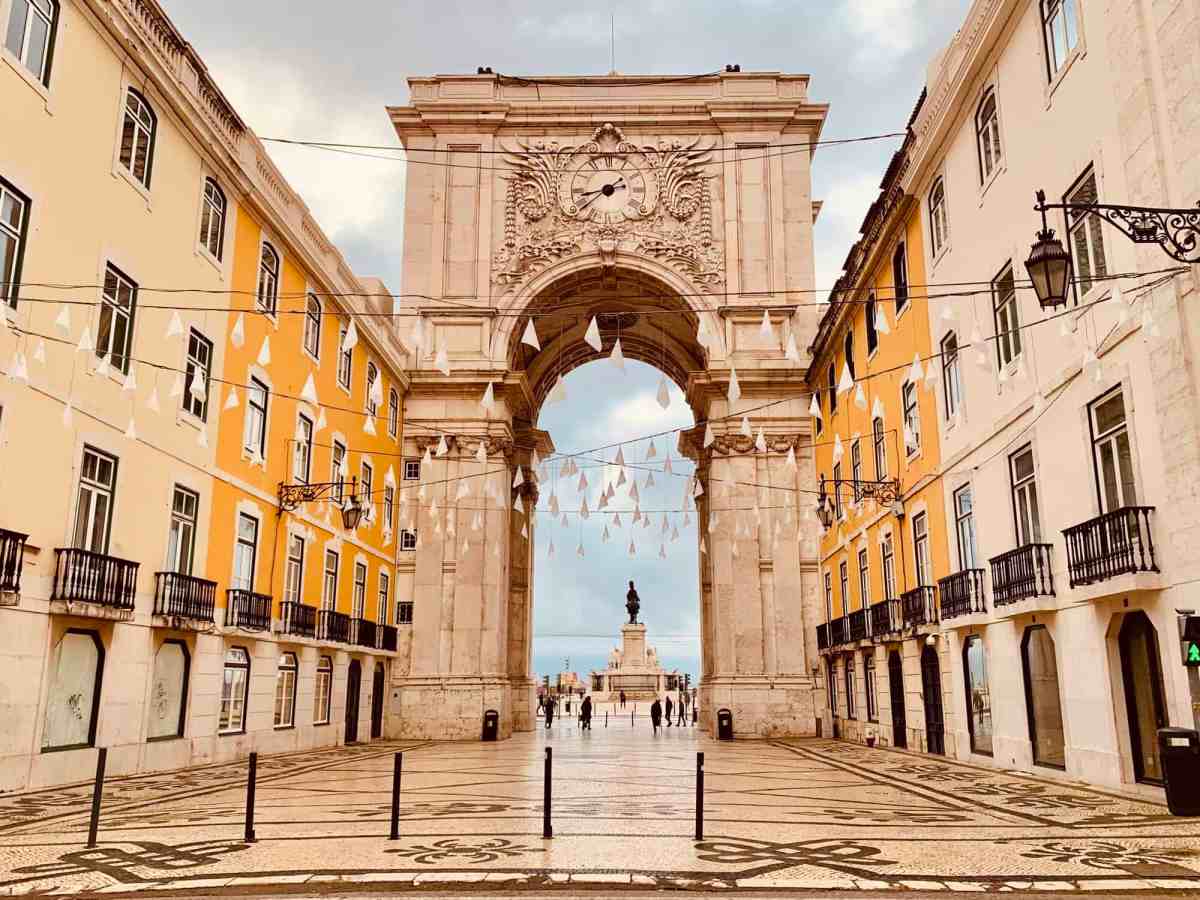
Pick up a Viva Viagem reloadable card at the airport when you arrive. It makes getting around super simple and works for the metro, trams, trains, and ferries. Uber also works well here and is inexpensive for anything too far to walk.
What to Do in Lisbon
Food Tour: The best thing we did on our first night was a private food tour through Lisbon. Our guide walked us through the city for a few hours and took us to spots we never would have found on our own – the tastings covered pastel de nata, Ginjinha cherry liqueur, local cheeses, wine, sardines, and the bifana pork sandwich. It’s a great way to get your bearings on arrival night.
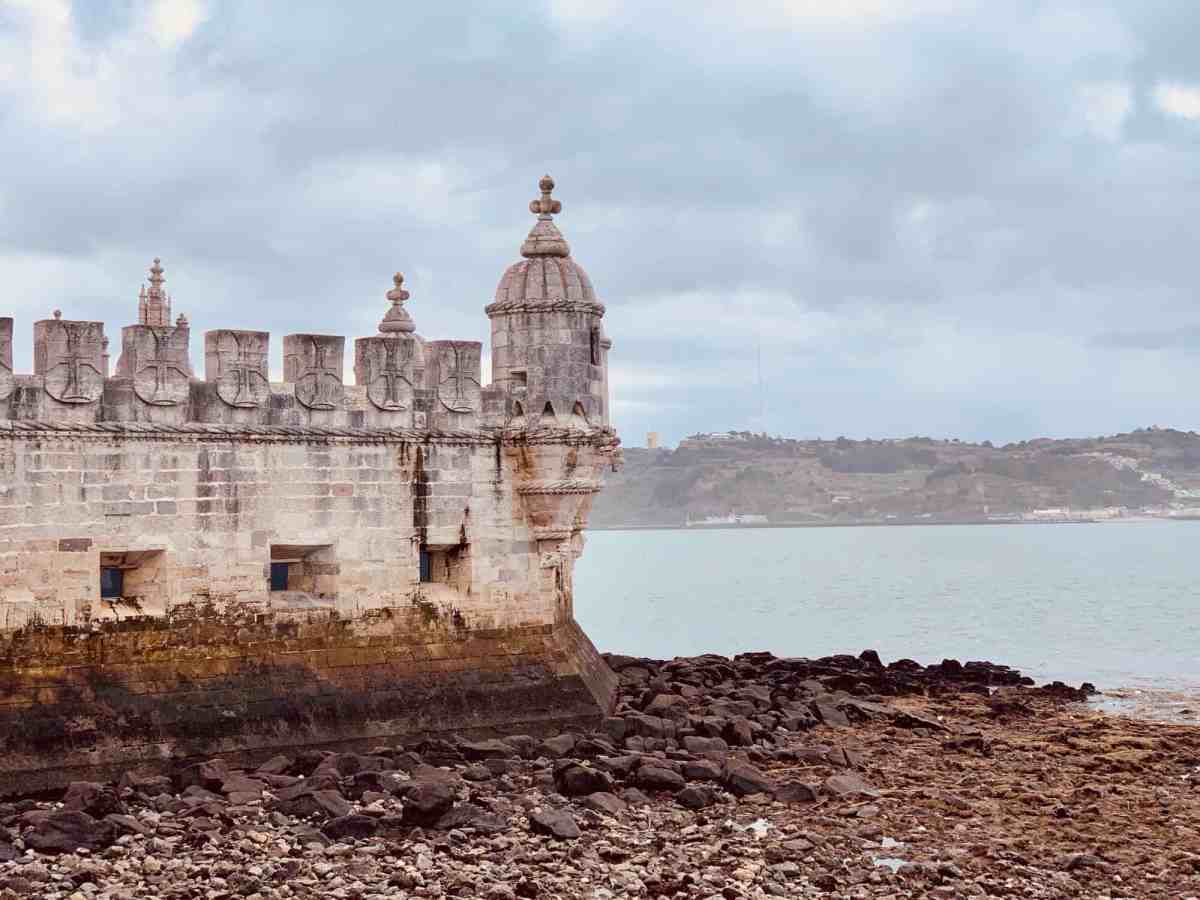
Sightseeing: Next, wander the Alfama district and head up to São Jorge Castle for views over the city, take an Uber out to Belém Tower on the river, and spend an hour or two at Time Out Market. It’s touristy and a bit pricey, but the seafood is exceptional, some of the top local chefs have stalls, and the energy is worth experiencing at least once.
Wine Tasting: Portugal doesn’t export much of its wine, which means most of what you’ll drink here you genuinely can’t get at home. Book a dedicated wine tasting while you’re in the city. There are several well-reviewed options in Bairro Alto and Chiado that walk you through local grapes and regions, and it’s one of the better ways to spend an evening in Lisbon.
Pro Tips: Book your food tour and wine tasting in advance. Good guides fill up fast, especially in high season. Uber is very inexpensive and easy to use. Public transit is also very extensive and mostly easy. Your Viva Viagem card will work for trains, trams, and certain ferries.
👉 For more details, check out our Lisbon Layover Guide: What to Do With 6 to 8 Hours
🏨 Explore Where to Stay in Lisbon Here!
SINTRA: DAY TRIP OR EN ROUTE STOP
Sintra works as a day trip from Lisbon or Cascais, or as a stop between the two as you make your way to the coast. The train from Rossio Station in Lisbon takes about 45 minutes and runs frequently.
Worth knowing before you go: Rossio train station is separate from the metro station. You’ll exit the metro, cross the square, and enter the train station on the other side. Several stops along the line also have similar-sounding names, so make sure your train goes all the way to the final stop – simply called Sintra. We learned that one the hard way. If you prefer a guide, you can always book a small-group day tour to Sintra from Lisbon.
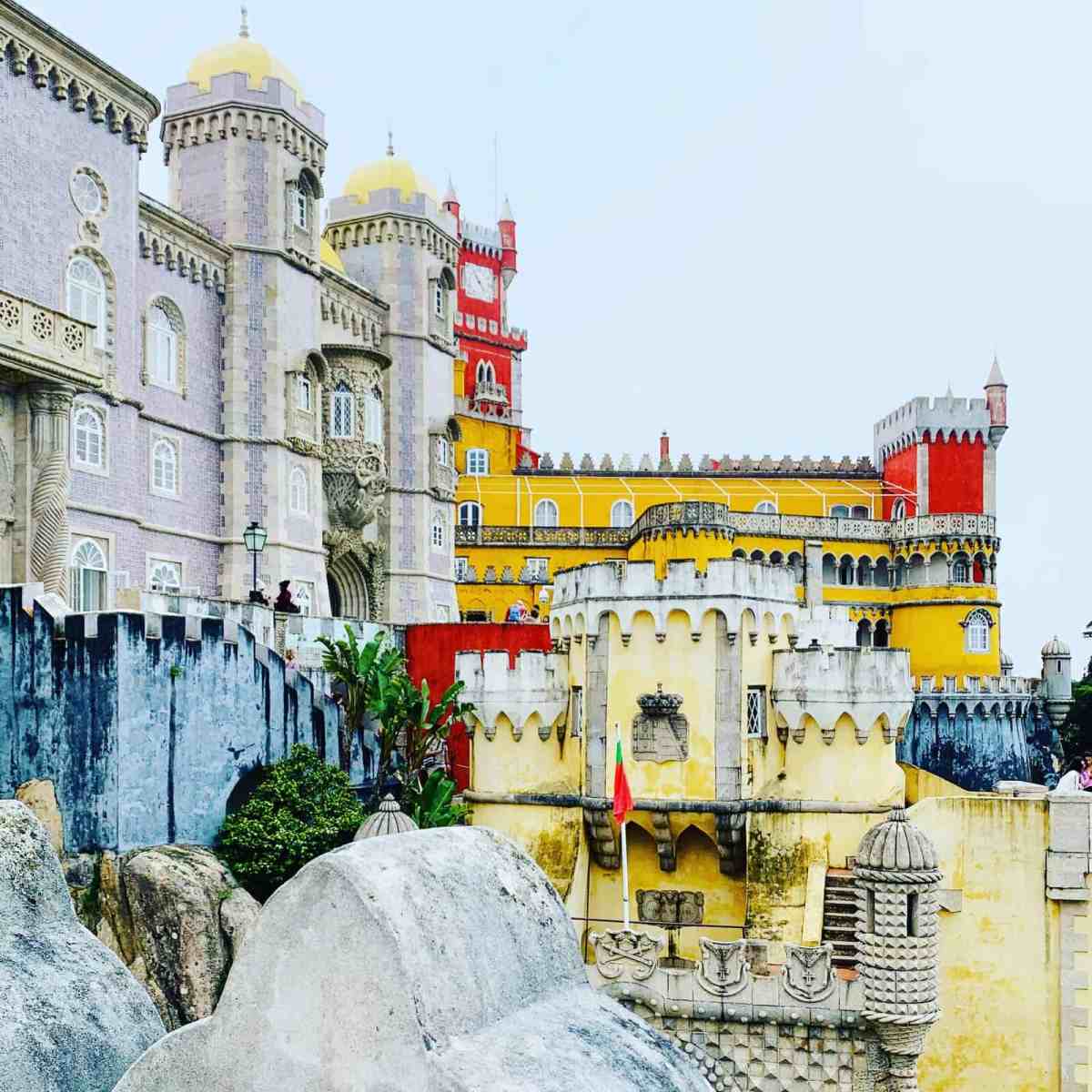
The main draw is Pena Palace, a 19th-century royal palace that sits high on a hill with stunning views on a clear day. The surrounding UNESCO-listed park has several other palaces, Moorish castle ruins, and walking trails that can easily fill a full day. Once you’re there, Ubering up the mountain is easy if you don’t want to wait for the bus – the ride is about €3 and saves a lot of time. Plan on at least three hours to explore the grounds.
Pro Tip: Check the forecast before you go. The hilltop gets heavy fog, and a clear day makes a significant difference. We got to the top of Pena Palace just as the fog was rolling in, so we were able to see the stunning view, but only for a few minutes before it was completely covered.
We explored the east and west sides of São Miguel on separate full-day small-group tours, spent a rest day by the pool at Sul Villas & Spa in Lagoa, and ate very well the entire time. The tours are the right call if you’d rather not navigate the winding coastal roads yourself. But rent a car if you want the flexibility. Plan on at least 3-4 nights for São Miguel. If you have more time, a ferry or short flight to Faial or Flores is worth adding.
CASCAIS FOR BEACHES AND CLIFFS
Cascais is a compact, walkable coastal town about 40 minutes west of Lisbon by train and a much more relaxed place to stay than the city. We rented an Airbnb near the town center for a few nights, which worked well. There’s a good stretch of restaurants and bars along the waterfront and the town is easy to navigate on foot. It’s a great place to relax but still has a lot going on.
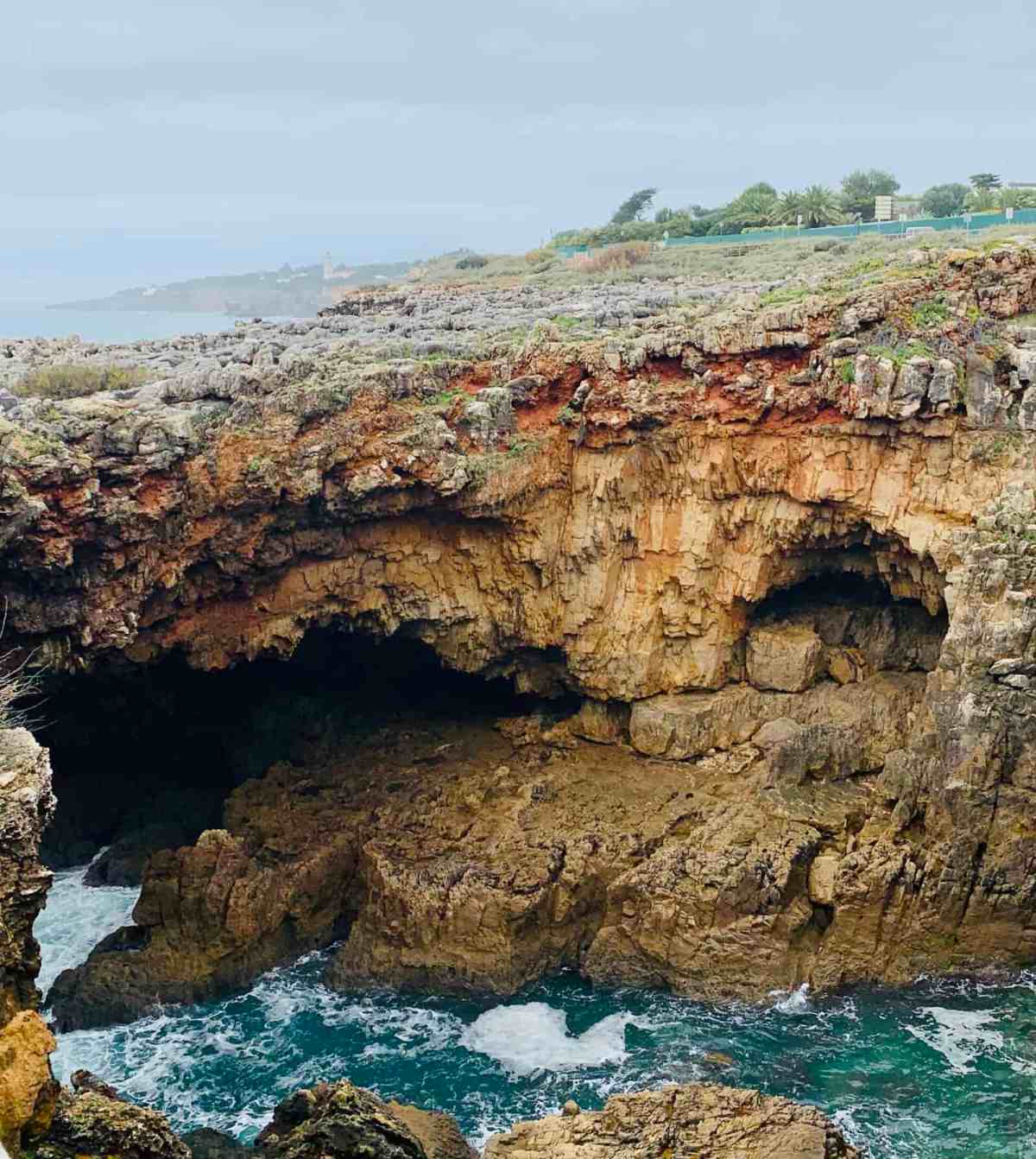
Boca do Inferno is just on the edge of town with dramatic sea cliffs that cut into the coast. It’s a little longer of a walk but well worth it, even if you decide to Uber. We loved the seafood restaurant at the cliffs, Mar do Inferno. We’ve dined here on several trips and it’s fantastic.
THE ALGARVE: LAGOS AND FARO
Getting to the Algarve
When you’re ready to head south, a DayTrip.com private transfer from Cascais to Lagos is a better option than the train if you want to see something along the way. The drive is about three hours from Cascais or Lisbon, and DayTrip lets you add stops with a local driver, so it’s more like a private tour than a transfer (though the driver is generally not a tour guide). We picked three to break up the journey:
- Alcácer do Sal: A hilltop Moorish castle town overlooking the Sado River, about halfway down. It’s the most popular stop on this route and a good lunch option.
- Silves Castle: This is best-preserved Moorish castle in the Algarve and worth a stop before you arrive in Lagos.
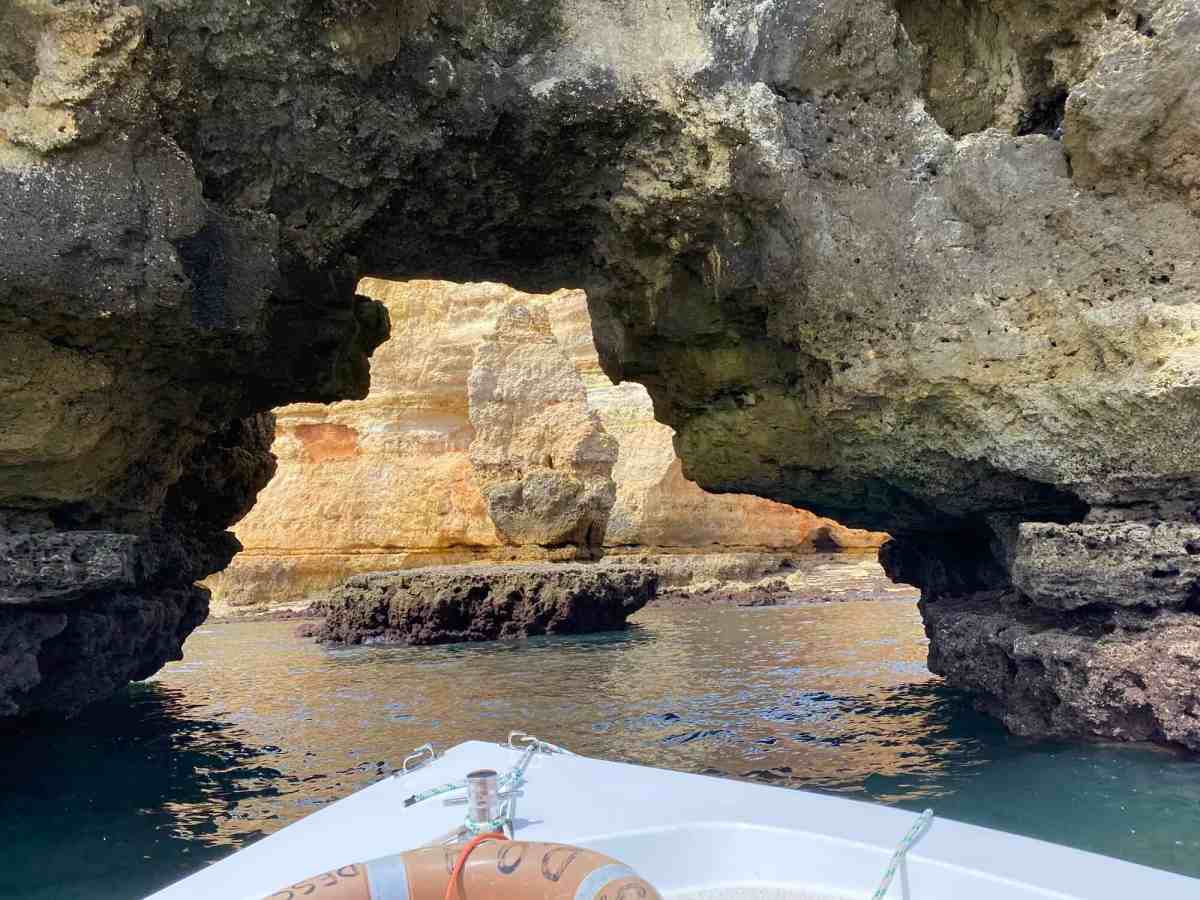
- Ponta da Piedade: The sea cliffs and rock arches just outside Lagos are what really make the region special.
Pro Tip: For a cheaper transportation option around Portugal, check out FlixBus. It’s not glamorous and we wouldn’t recommend it for more than a few hours, but it’s a great budget-friendly solution.
Lagos for Walkability
Lagos has a walkable old town inside historic city walls, dramatic coastal cliffs, and enough restaurants and nightlife to keep busy for a few days without needing a car. We really enjoyed our stay at Cascade Wellness Resort with beautiful views.
Ponta da Piedade is the main attraction. The cliffs are golden limestone with sea caves and rock arches. You can reach them by boat tour or by walking the clifftop path from town. The Ponta da Piedade boat tour gets you closest to the formations and is worth the extra logistics.

Is Faro Worth It for a Night?
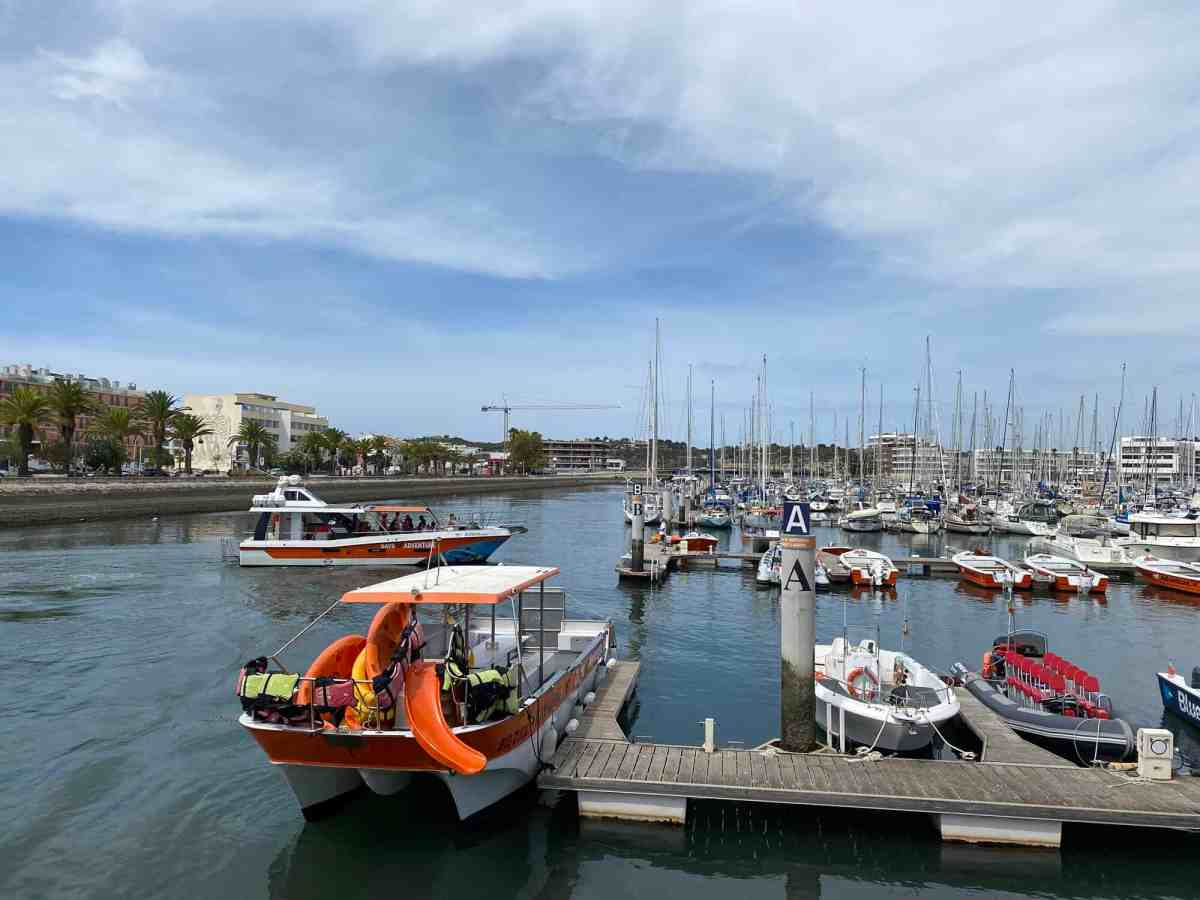
Most people treat Faro as a transit hub and don’t stop, but we enjoyed it for a night before our flight. The old town is compact and walkable, the marina is lined with good restaurants, and it’s a relaxed way to close out the southern leg before flying north to Porto. Faro Airport is about 10 minutes from the city center, where you can catch a direct flight to Porto or back to Lisbon.
We recommend staying at 3HB Faro, which is a nice option near the marina with good breakfast and good value for the location. AP Eva Senses Hotel also has a great location right on the marina, but 3HB had better reviews overall.If we’re on a tighter budget next time, we might check out Casa da Vera – a small owner-run B&B in the pedestrian center, a short walk from the marina. It’s highly rated for cleanliness, location, and service.
3 NIGHTS IN PORTO
Porto is a bit grittier than Lisbon, but we love its charm. The Douro River runs through it with port cellars lining the hillside on the Gaia side. We spent 3 nights in Porto and 1 in the Douro Valley – but we could’ve stayed longer.
Pro Tip: If you’re coming straight from Lisbon rather than routing through the Algarve, the train between the two cities takes about three hours and runs frequently.
Stay in Gaia, Not Porto
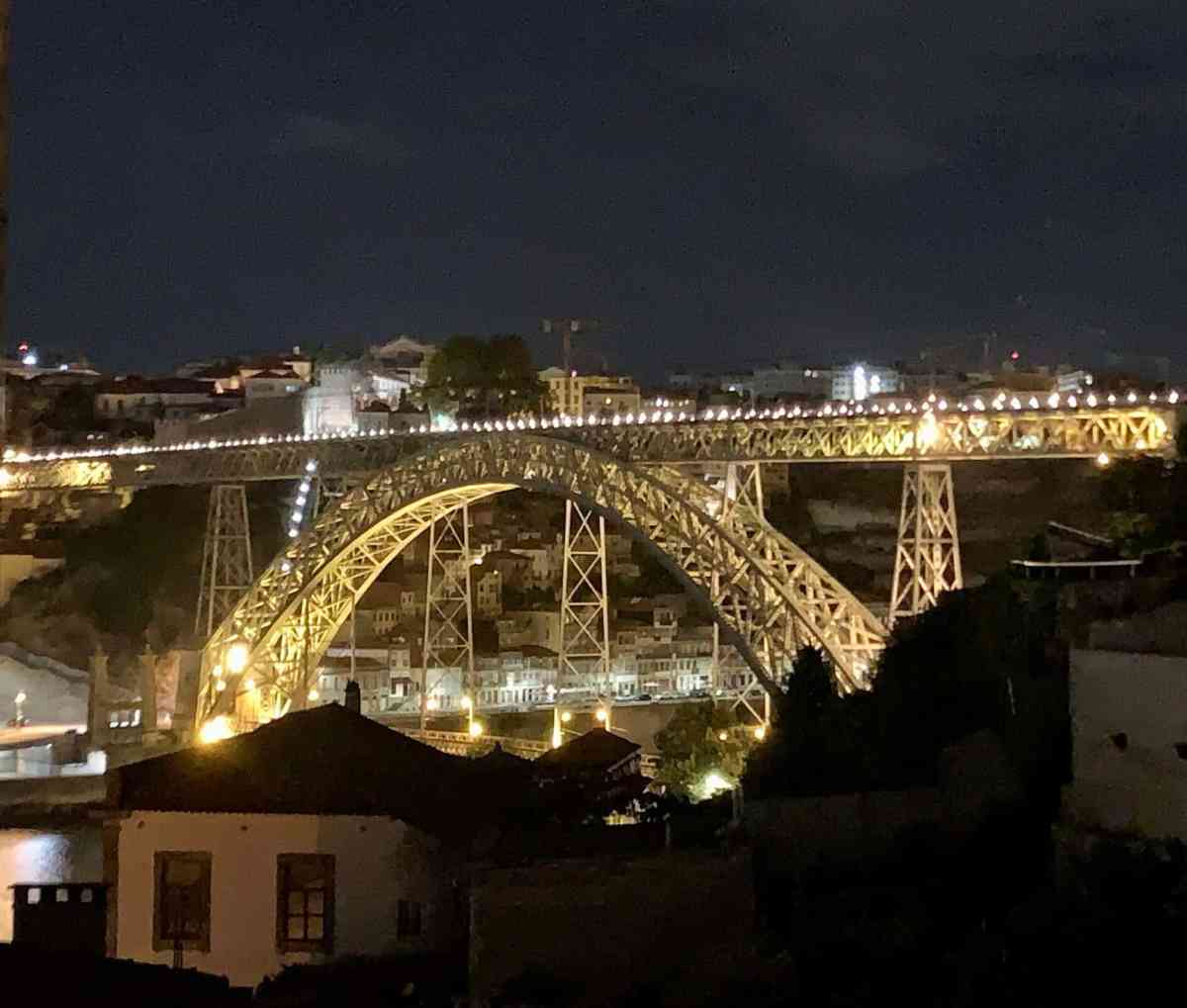
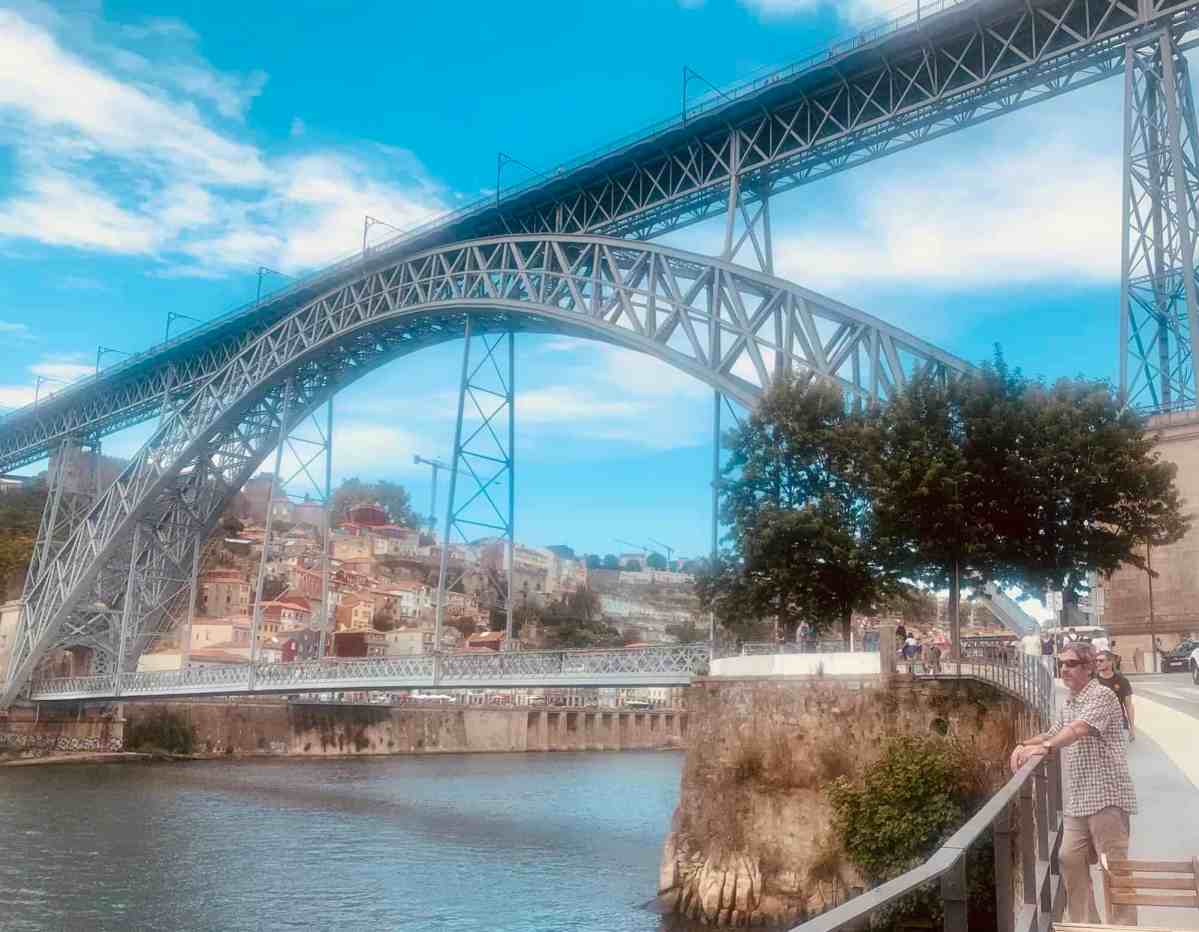
We stayed in Vila Nova de Gaia, directly across the river from Porto, and it was the right call. The views of Porto from the Gaia side are more dramatic, the riverfront restaurants are more relaxed than the Ribeira side across the water, and you’re in perfect walking distance to the port cellars. We rented a lovely little Airbnb with a view of the Dom Luís I Bridge.
What to Do in Porto
Views: The Douro riverfront and the Dom Luís I Bridge are what make Porto magical. Walk or take the cable car up to the top of the bridge in Gaia and cross on foot to Porto. The views from the upper deck in both directions are worth it.
Port Tasting: Graham’s Port Lodge sits at the top of a hill on the Gaia side with a panoramic view of Porto from the tasting terrace. The tour is well done, and the 20- and 40-year tawnies in the premium tasting were our favorites. We accidentally ordered eleven tastings between the two of us and didn’t make it to the terrace, so pace yourself better than we did.
If you want a super relaxed afternoon or you’re not a fan of port wine, just sit on the Sandeman patio on the riverfront with a bottle of vinho verde. It’s a good spot to spend a few hours, especially with street performers around.
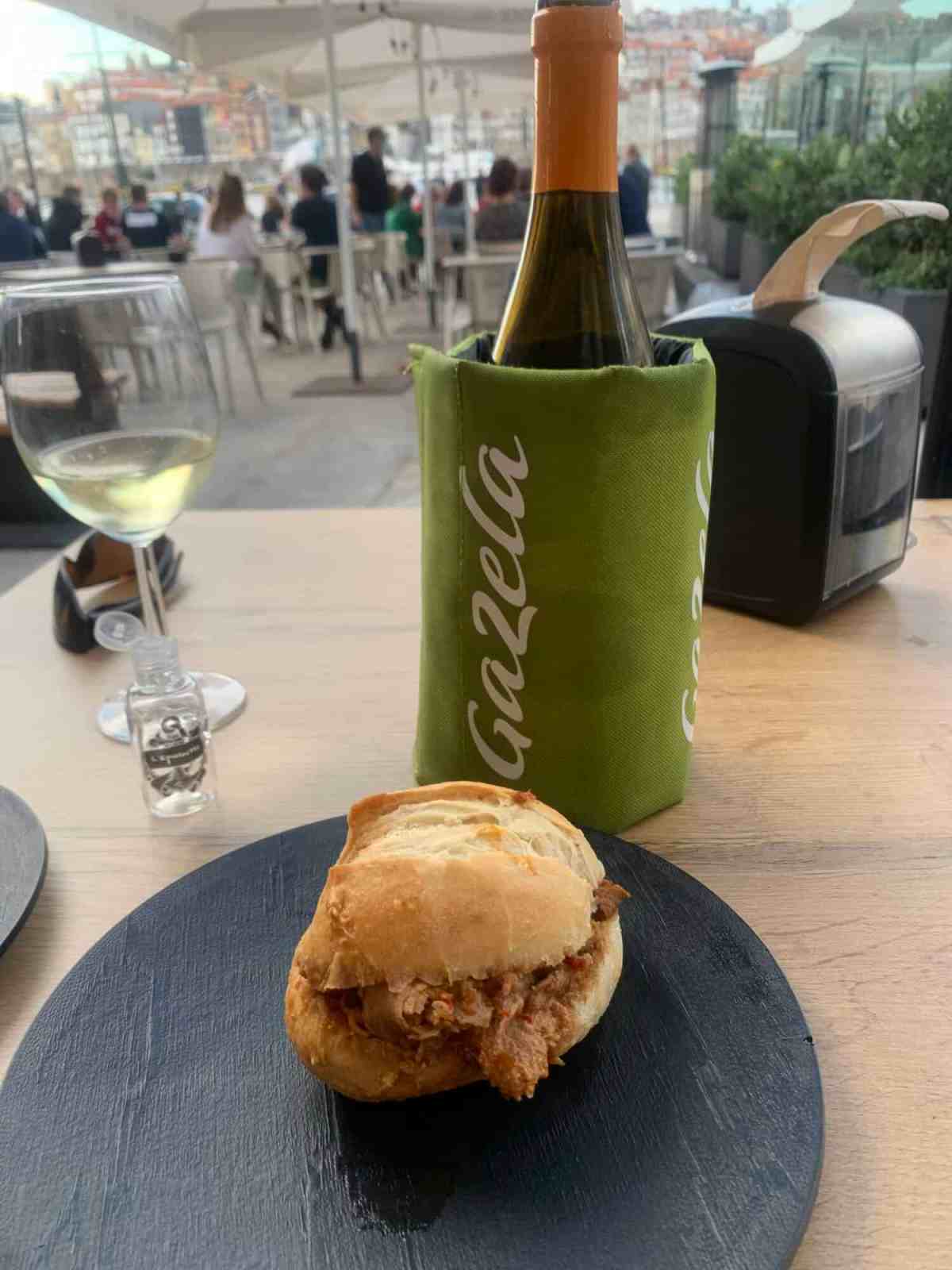
Sightseeing: The azulejo tile panels inside São Bento train station are worth seeing, as is the Porto Cathedral. Livraria Lello is the famous bookshop made popular by J.K. Rowling. There’s a ticketed queue to get in, and we skipped with no regrets, but plan ahead if this is high on your list. For a snack or lunch, Gazela Cachorrinhos da Batalha does a spicy, cheesy hot dog that is worth every bite.

ADD A NIGHT IN THE DOURO VALLEY
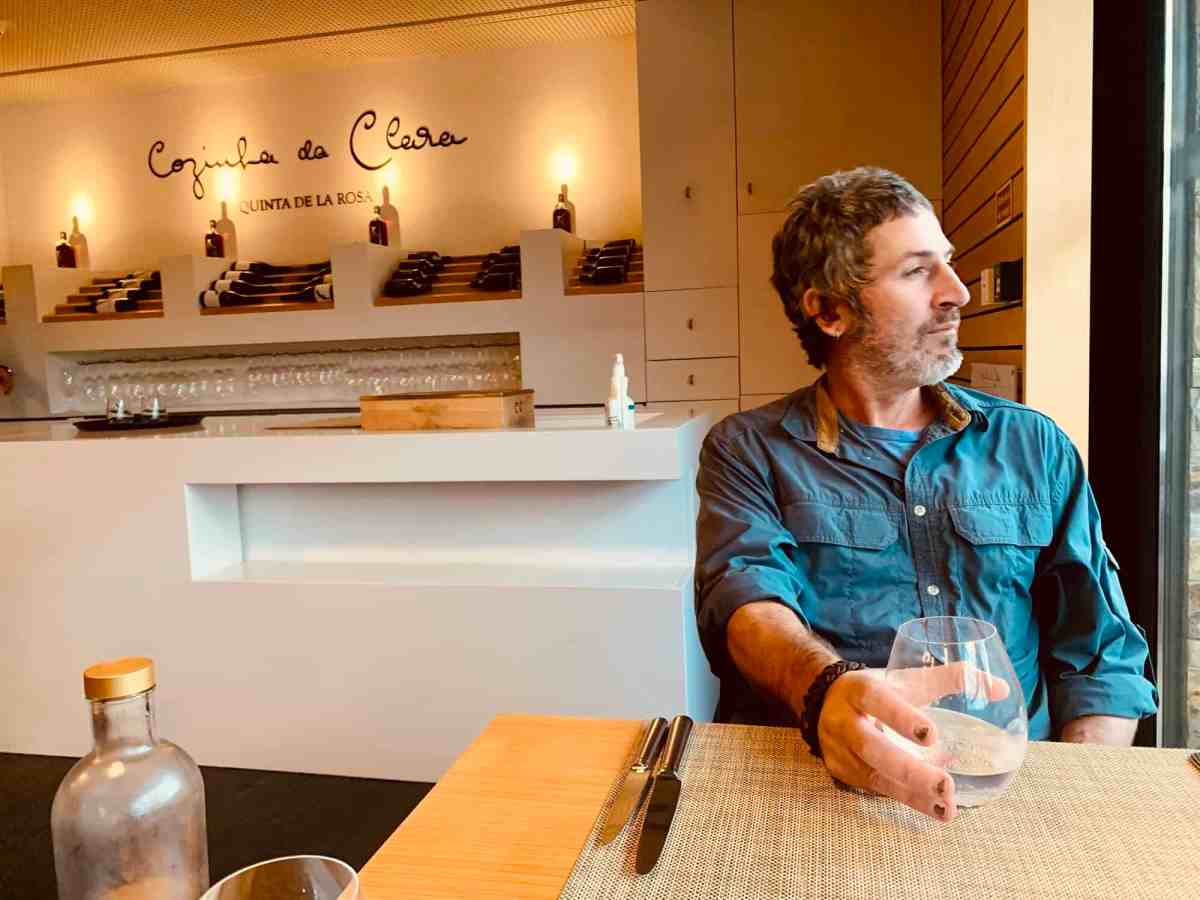
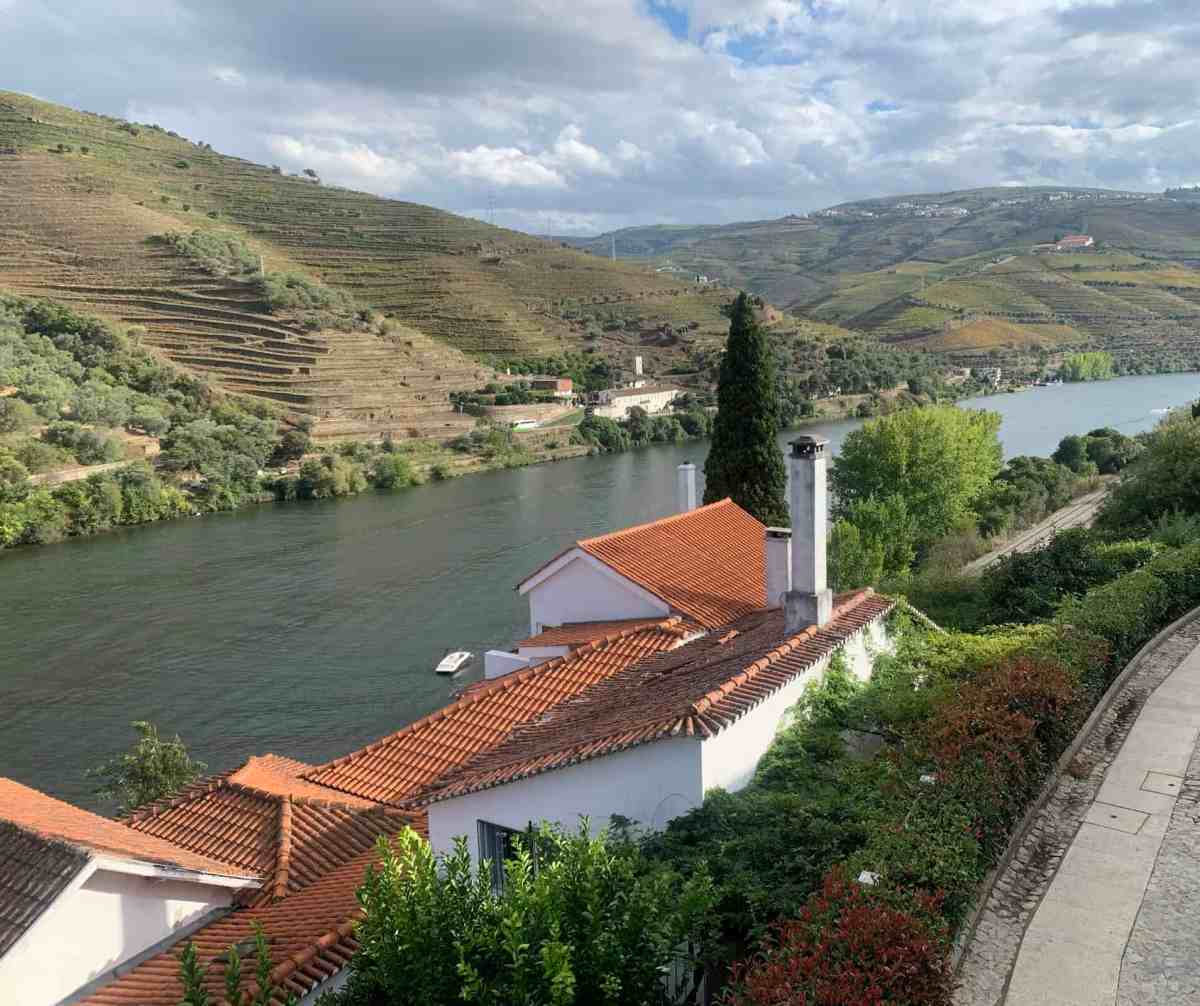
If you have time, add a night or two in the Douro Valley. We rented a car at the airport, drove out through Peso da Régua, and stayed at Quinta de la Rosa in Pinhão – a family-owned wine estate right on the river. The restaurant, Cozinha da Clara, served one of the best meals we had in Portugal, and the wines were excellent across the board. Next time, we’d book two nights instead of one.
Pro Tip: Take the N222 via Peso da Régua going in. On the way back, avoid the N323/N322 if you’re not comfortable with steep mountain roads with significant drop-offs. We took it by accident, and it was more adventure than we were looking for.
👉 Check out our full guide Porto and the Douro Valley: Your Perfect 5-Day Itinerary
THE AZORES: SÃO MIGUEL IS WORTH THE DETOUR
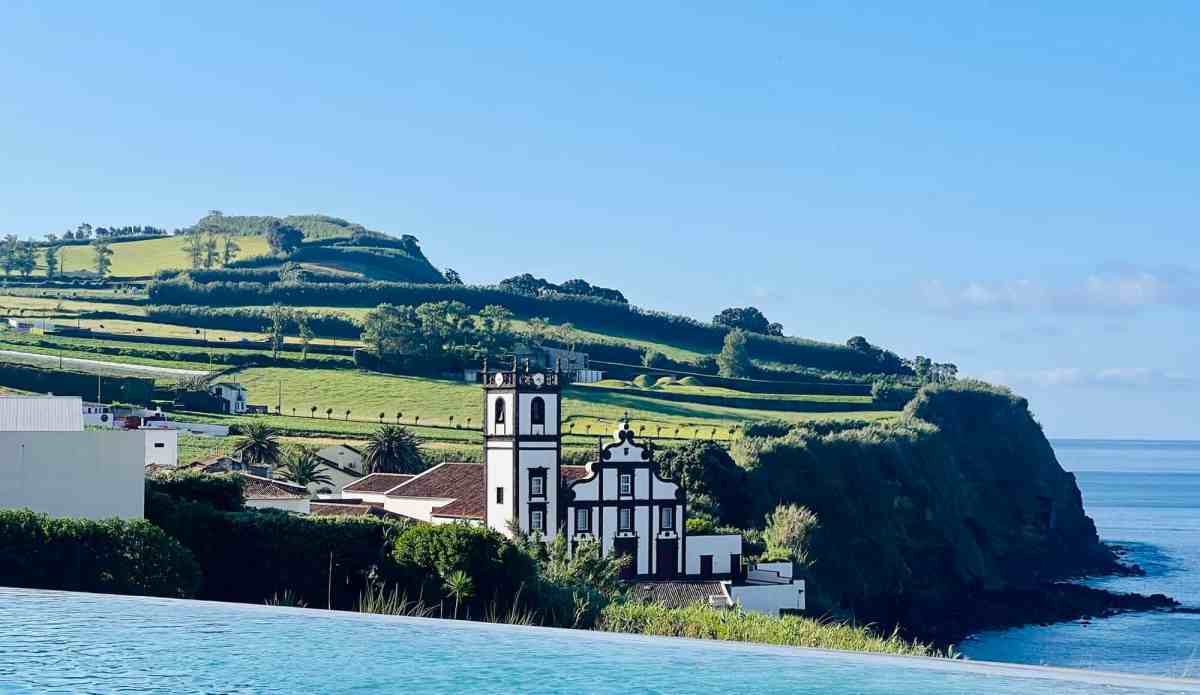
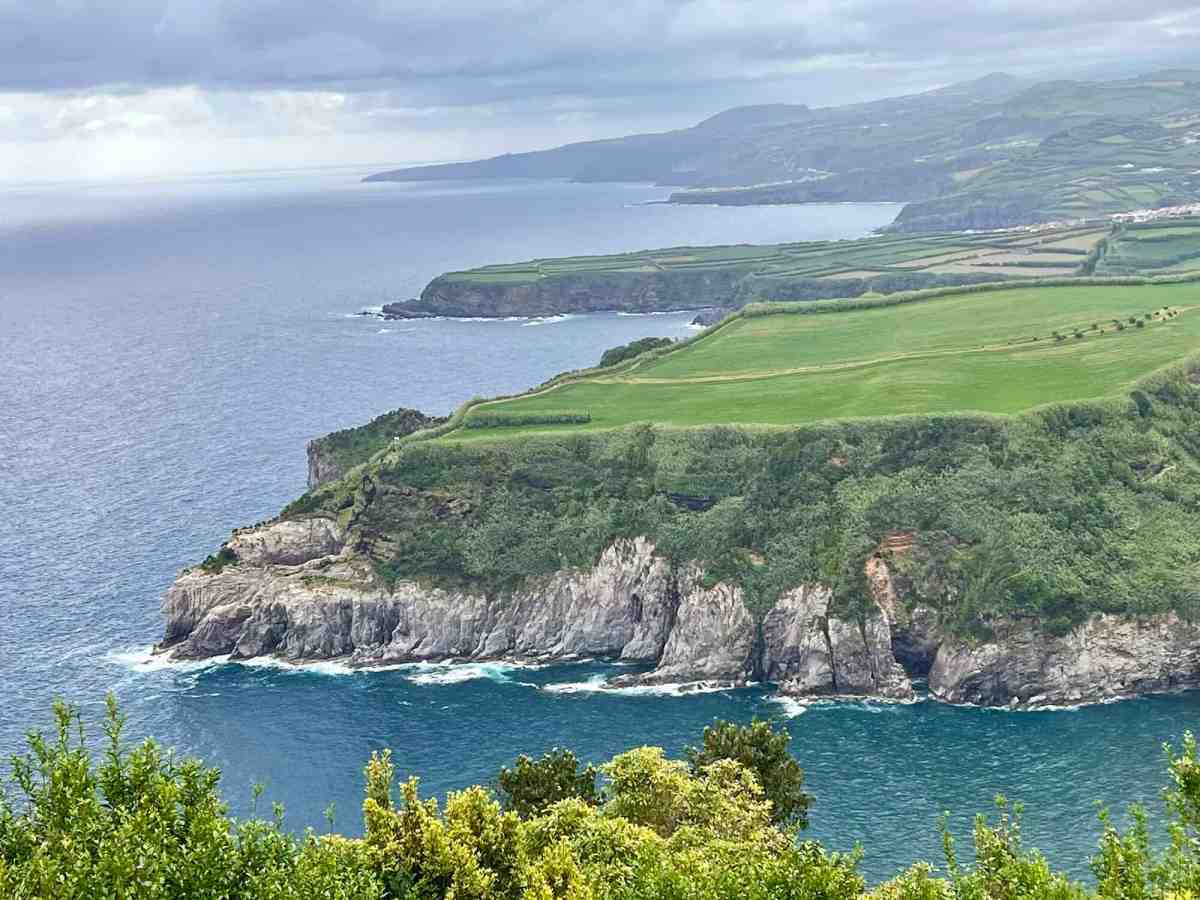
Gorgeous Scenery: The Azores archipelago is located in the middle of the Atlantic, about 900 miles west of Lisbon. For East Coast travelers, they’re much closer and more affordable than most people realize. São Miguel, the main island, has crater lakes, volcanic hot springs, black sand beaches, geothermally cooked food, and amazing local wine.
Easy Connections: You can make this an excursion from Lisbon, a stop on your way back to the US or Canada, or make the Azores its own trip entirely. Azores Airlines (SATA) flies direct to Ponta Delgada in about 5.5 hours from Toronto, Boston, and JFK. From Lisbon, both TAP Air Portugal and Azores Airlines connect to Ponta Delgada, which makes the Azores a nice add-on if you’re already in Portugal and have the time.
Pro Tip: A taxi from the airport runs about €25, and you’ll almost certainly arrive in Ponta Delgada very early in the morning. Have a plan for the first few hours. We napped by the pool before check-in, which worked well.
👉 Azores Travel Guide: 3 Perfect Days on São Miguel Island
👉 Azores Airlines Comfort Class Review: Is It Worth It?
WHAT ABOUT MADEIRA?
Madeira is at the top of our list for our next trip to Portugal. It’s a Portuguese island off the northwest coast of Africa that’s known for scenic hiking, year-round mild weather, and some of the best wine produced anywhere in the world. TAP Air Portugal flies direct from Lisbon, and there are increasingly good international options, too.

WHAT TO EAT AND DRINK IN PORTUGAL
Lisbon
- Bifana: This pork sandwich on a crusty roll is everywhere in Portugal, but we had our favorite version in Lisbon on our food tour. Order one early and set your benchmark for the rest of the trip.
- Pastel de nata: The custard tart you’ll see at every café and bakery. They’re good everywhere, but the version at the original Pastéis de Belém is worth the trip out.
- Ginjinha: A sweet cherry liqueur served in a tiny shot glass, often with a cherry at the bottom. You’ll find it on the food tour and at small bars around Lisbon.
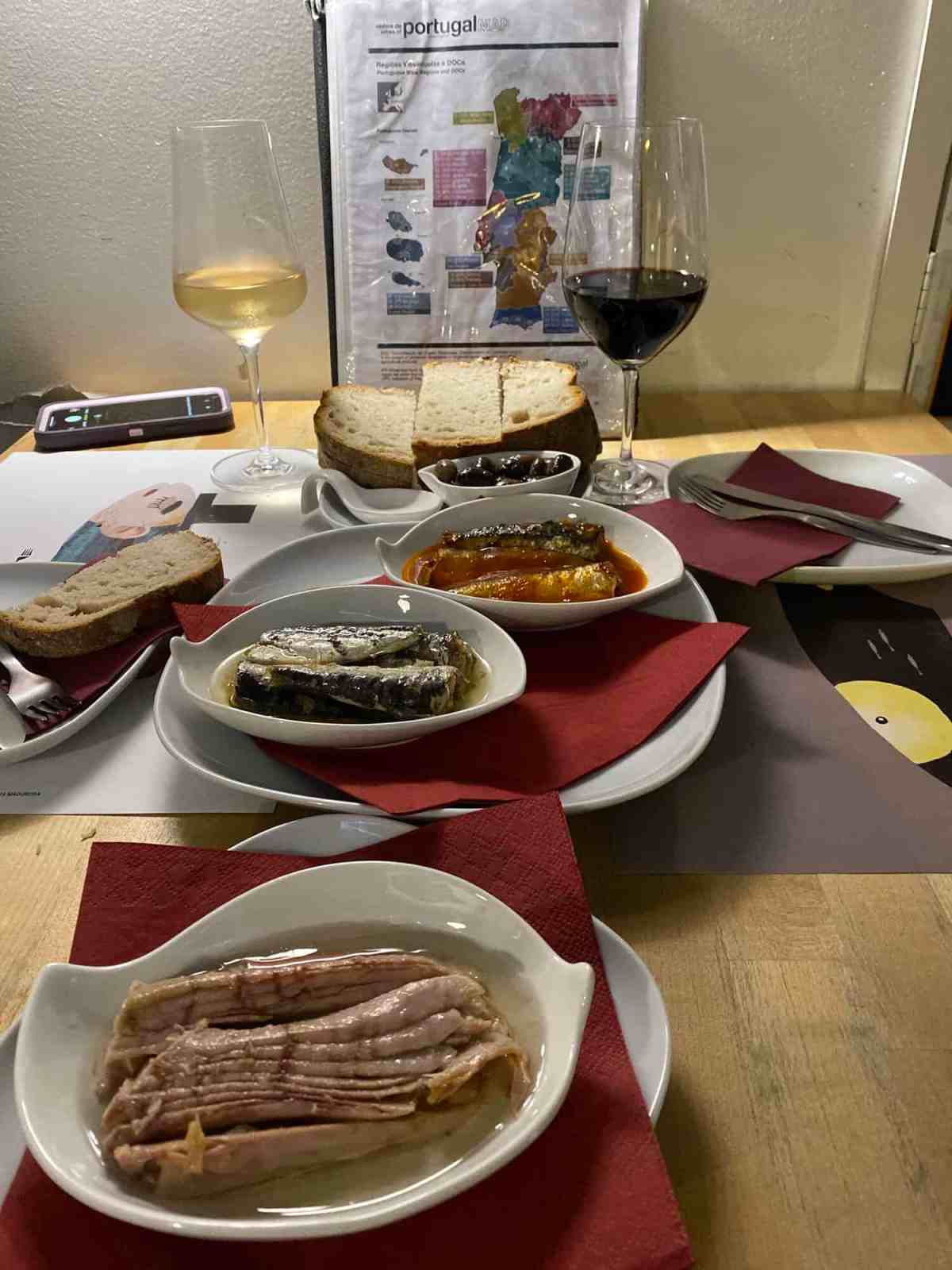
- Tinned fish: BA Wine Bar do Bairro Alto ran one of the best wine pairings we’ve done anywhere with an assortment of tinned fish and local cheeses. They closed and are planning to reopen in 2028, so keep it on your list for a future trip, but until then, you’ll find tinned fish options all over the city.
Porto and the Douro Valley
- Cachorrinho: Porto’s version of a spicy, cheesy hot dog on a crusty roll. Get it at Gazela. It’s a tiny counter spot that’s totally worth it.
- Port wine: Start at Graham’s. The 20- and 40-year tawnies are our favorites.
- Douro table wines: Port gets all the attention, but the Douro reds are amazing. At Quinta de la Rosa, the full wine program is worth exploring beyond the port.
The Algarve
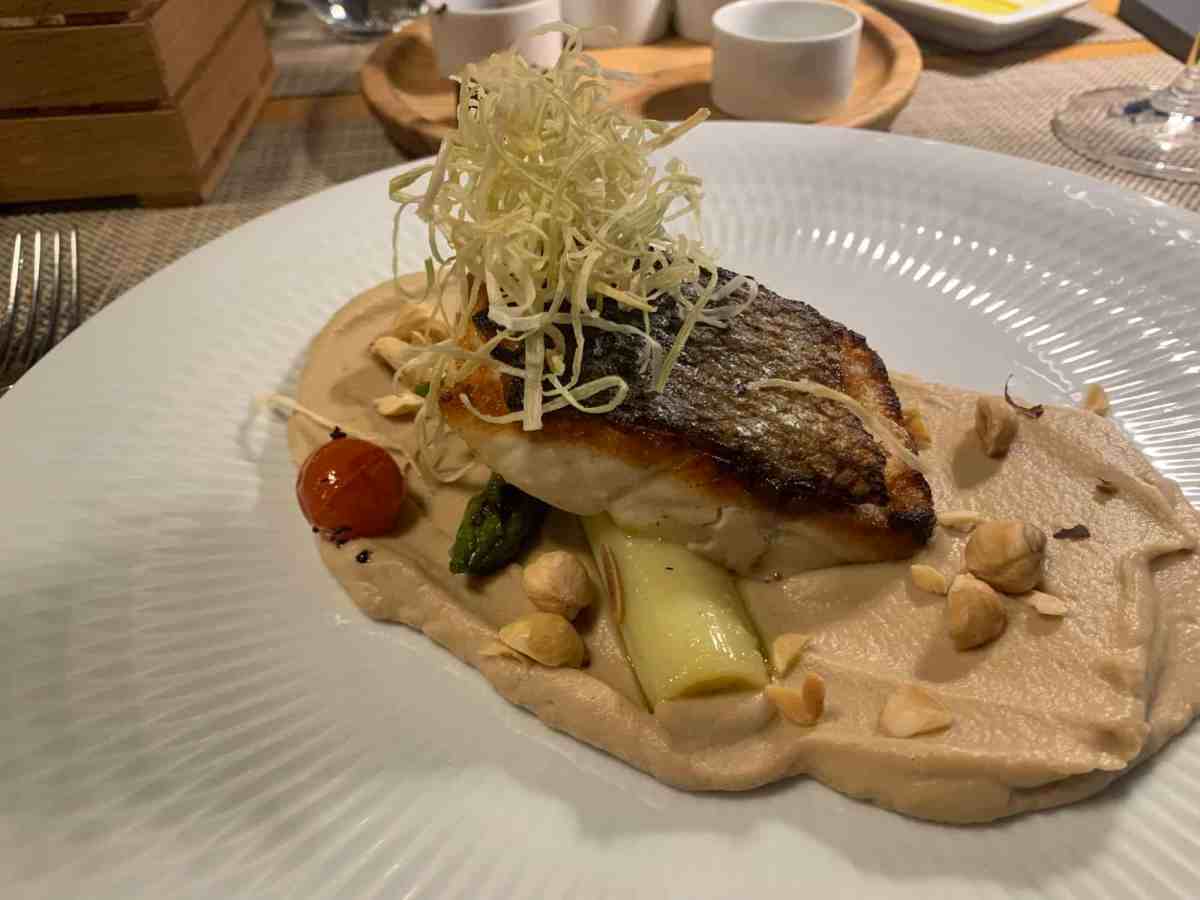
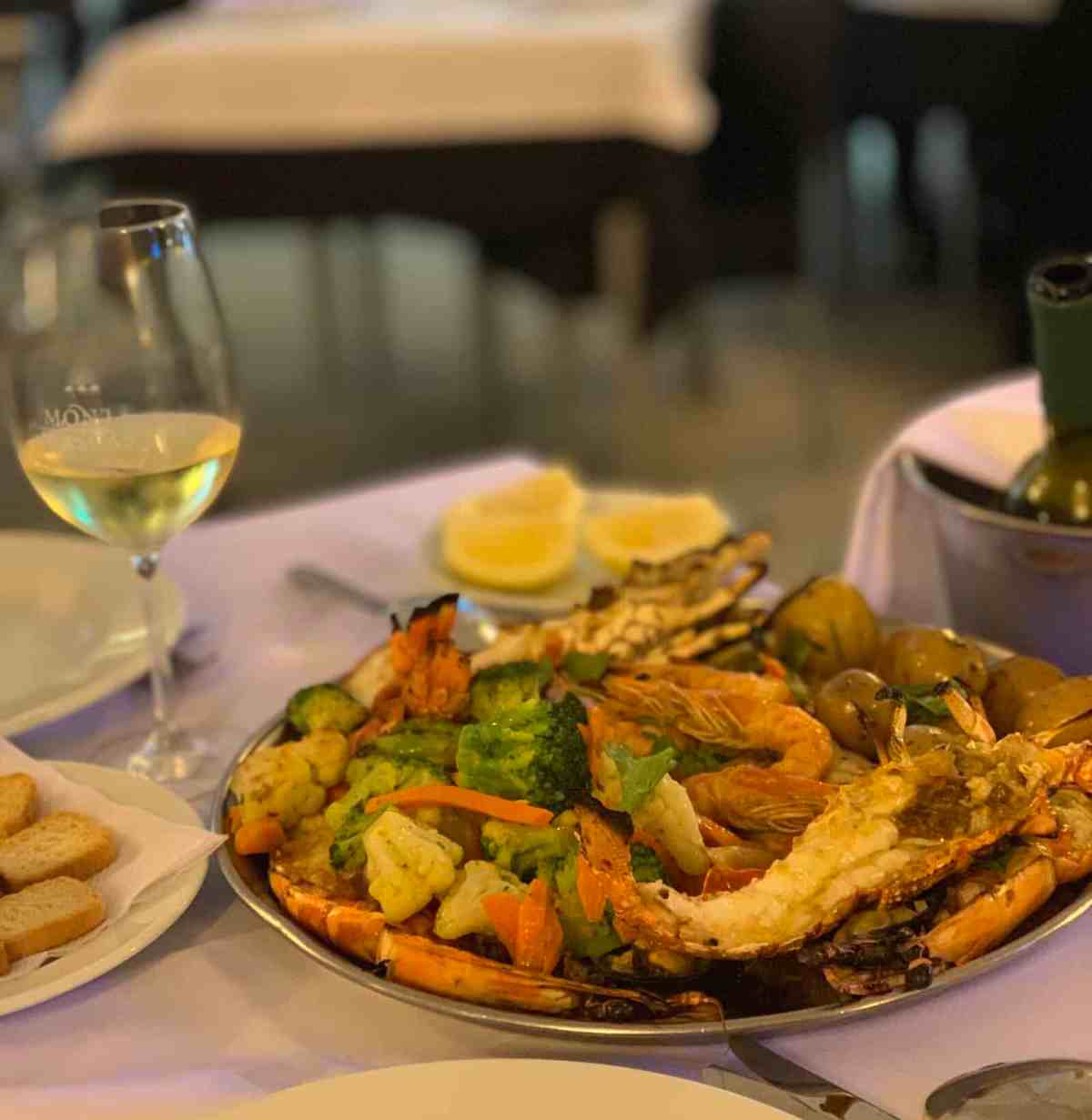
- Grilled seafood: The Algarve is straightforward. You order whatever came in fresh that morning and pair it with a cold Alvarinho. The fresh caught bream (dourada) was my favorite.
The Azores
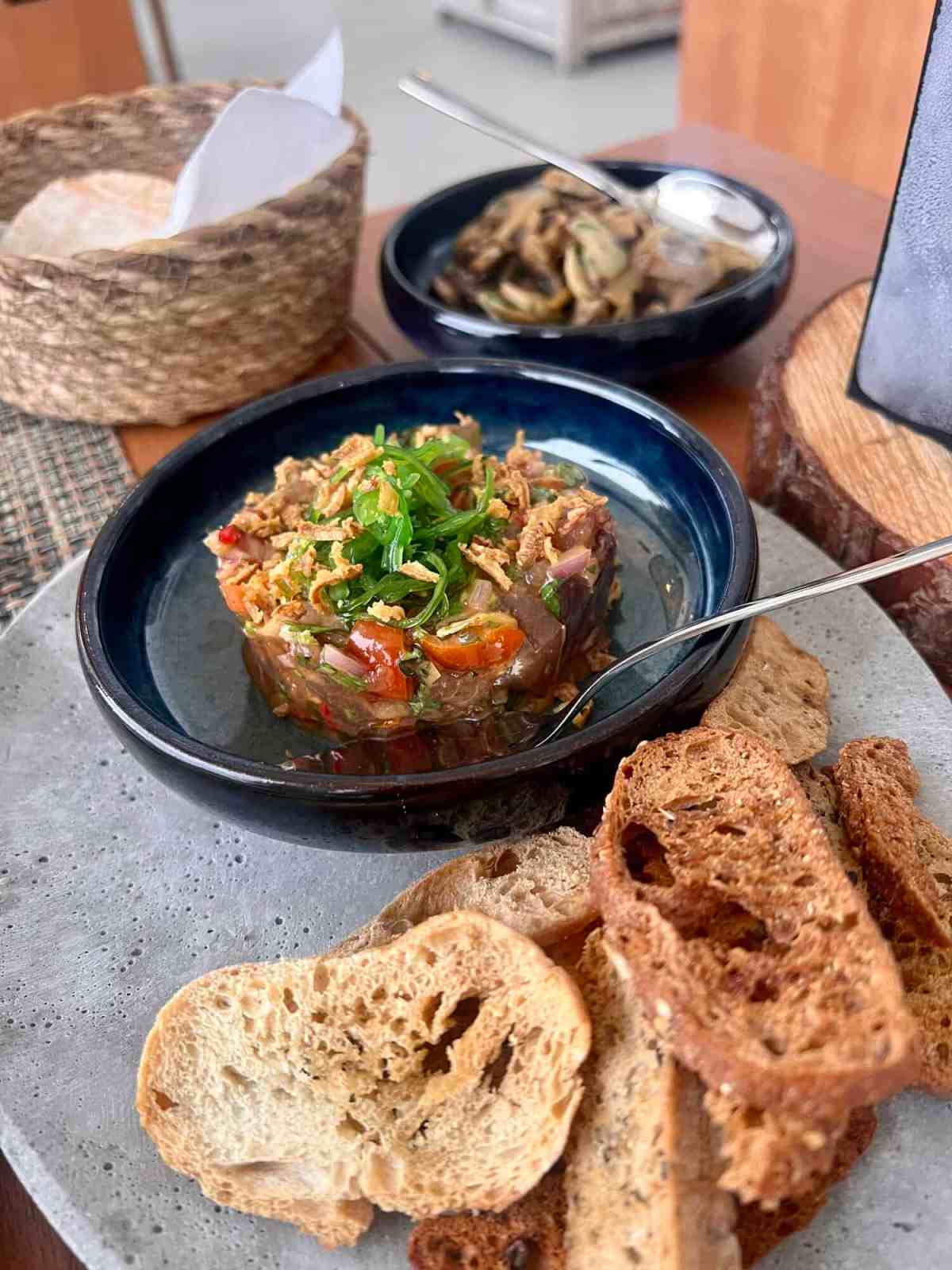
- Cozido das Furnas: A slow-cooked meat and vegetable stew prepared underground using volcanic heat. It sounds like a gimmick but it’s actually fantastic and hearty.
- Local cheese: The dairy in the Azores is excellent. Order the cheese board whenever you see it.
- Azorean wine: The local wine – particularly Verdelho – is affordable and good. We were poured it on our tours, at the hotel, and on the flight. As a nice touch, Faria’s Vineyards bottles were waiting in the room at Sul Villas when we arrived.
Everywhere
Sagres or Super Bock: The two national beers. They pair will with with a plate of grilled or fried fish. In the Azores, you’ll see Melo Abreu instead.
Vinho verde: Light, slightly effervescent, and inexpensive. Order a bottle with seafood anywhere in the north and you won’t be disappointed. Since it’s usually only 9% alcohol, it makes a good day sipper while you people-watch on a patio.
WHAT TO KNOW BEFORE YOU GO TO PORTUGAL
- Transportation: The train network connects Lisbon, Porto, and most major towns efficiently. For the Algarve and the Douro Valley, a rental car opens things up considerably, but DayTrip worked well as a scenic Point A to Point B tour for us from Cascais to Lago. Uber works very well in Lisbon, Cascais, and Porto.
- Language: English is generally spoken in tourist areas, but knowing a few words of Portuguese goes a long way and is appreciated. Portuguese and Spanish vary much more than you might think, but we found in some areas that people were more likely to speak Spanish than English, so switching to Spanish did help us out a few times.
- Currency: Portugal uses the Euro. We found that credit cards were fine most place, but cash was needed here and there. Be sure to have some handy.
- When to Go: Spring (April through June) and fall (September through October) are the best windows for good weather, manageable crowds, and lower prices than summer. The Algarve gets busy in July and August. The Azores are mild year-round but wetter in winter.
Have you been to Portugal? What’s your favorite spot? Which region do you want to visit next?
Explore More of Our Portugal Guides


