


Is Business Class in Europe Worth It? 4 Airlines Ranked
If you’ve booked business class within Europe expecting something close to what you get on a long-haul international flight, you probably walked off disappointed. We did too, the first time. Most intra-European business class seats are really just an economy seat at the front of the plane with the middle seat blocked. It’s the same pitch and recline – maybe with a better snack or beverage. But once we got over the disappointment on that first upgrade, we found real value in other ways – and we discovered that not all European business class products are created equally. Here’s what we learned testing four different airlines on intra-Europe flights, what they’re worth, and whether we’d do it again.

What You’re Actually Getting
On most short-haul European routes, business class is an economy seat in the front cabin with the center seat blocked. The pitch and width are the same as economy. But there are a lot of key benefits you don’t get with economy:
- Lounge access at most major airports
- Priority boarding
- Better food and drink service onboard
- Priority handling on the ground through security and immigration
That guaranteed empty middle seat is also more valuable than it sounds, especially on a flight over two hours.
It’s also worth thinking about intra-Europe business class in the context of your full itinerary. We often book the cheapest premium economy seat to Europe and piece together budget airline connections from there. But if the price difference is reasonable, booking your European connection on the same ticket as your premium transatlantic flight can get you priority on the short hop too, sometimes with lounge access, priority handling, and a seat at the front of the plane throughout. It’s worth comparing both strategies and the specific airline’s policies before defaulting to the cheapest option. Just note that airlines differ on these perks.
After flying a few more intra-Europe business class itineraries, we discovered that they also differ widely on the seat offerings. Two of the four airlines we flew had seats that were more like US domestic first class. Two others were the standard blocked-middle-seat product. We’d book all four again, but the price and length of flight matter.

Four Airlines Ranked (Worst to Best)
These airlines are a pretty good representation of what you’ll get across the board in Europe, but expect most to be like the first two below.
4. Air Serbia
Air Serbia is the standard blocked-middle-seat product, and it ranks fourth based on the seat and outdated interior overall on the plane. That said, the experience at Belgrade’s airport was a pleasant surprise. We upgraded our Belgrade to Amsterdam flight for $80 each, and at that price the value was easy to see.
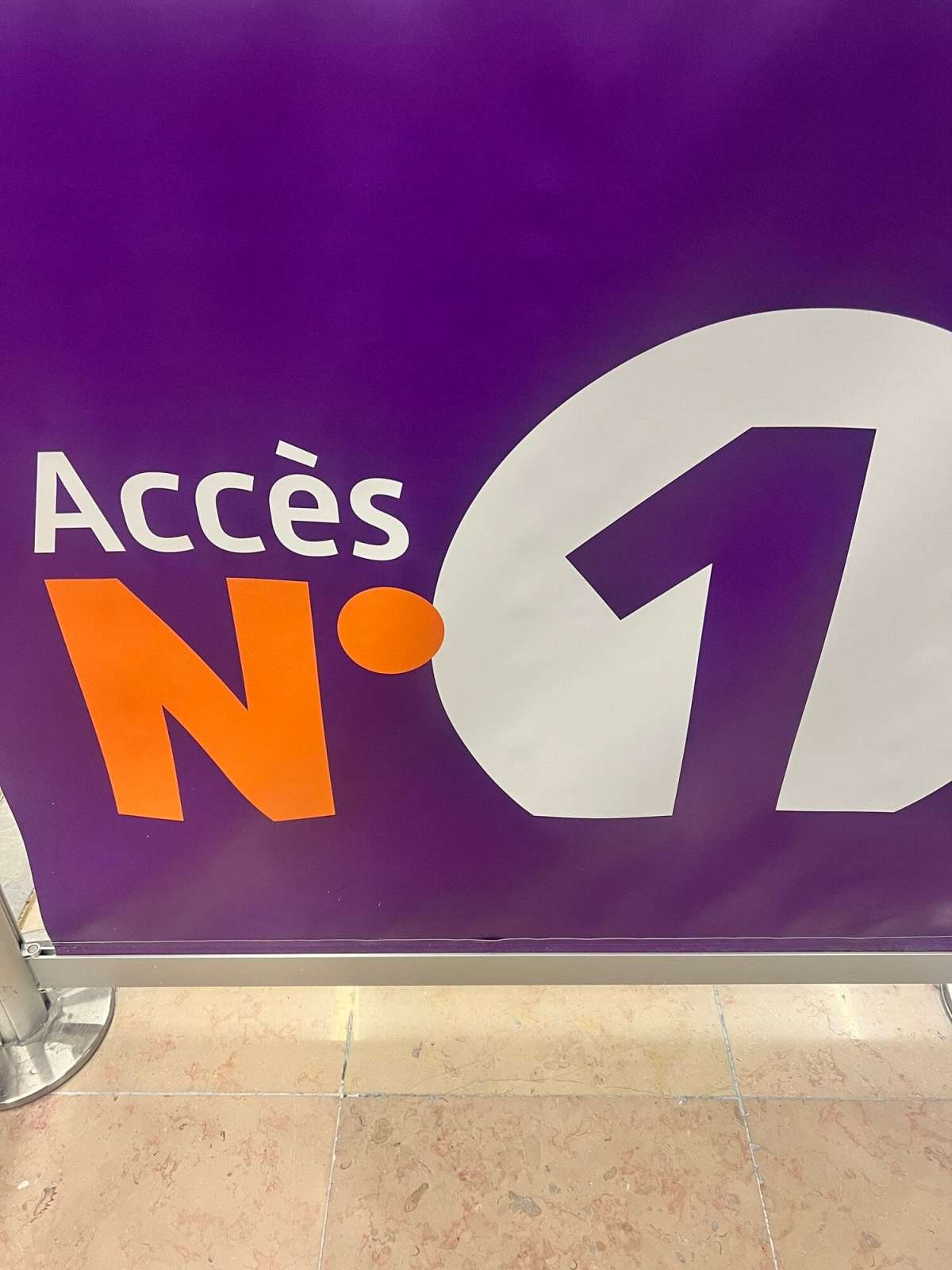
The Air Serbia lounge was spacious, well put together, and had a full hot breakfast starting at 6 AM – which was not what we expected from a smaller carrier at a regional airport. We also moved through Belgrade security and immigration well ahead of the economy queue, which was significantly backed up, so this made a real difference. We go into more detail on the Belgrade route in our Balkans post if that trip is on your radar.

3. SAS Business Class
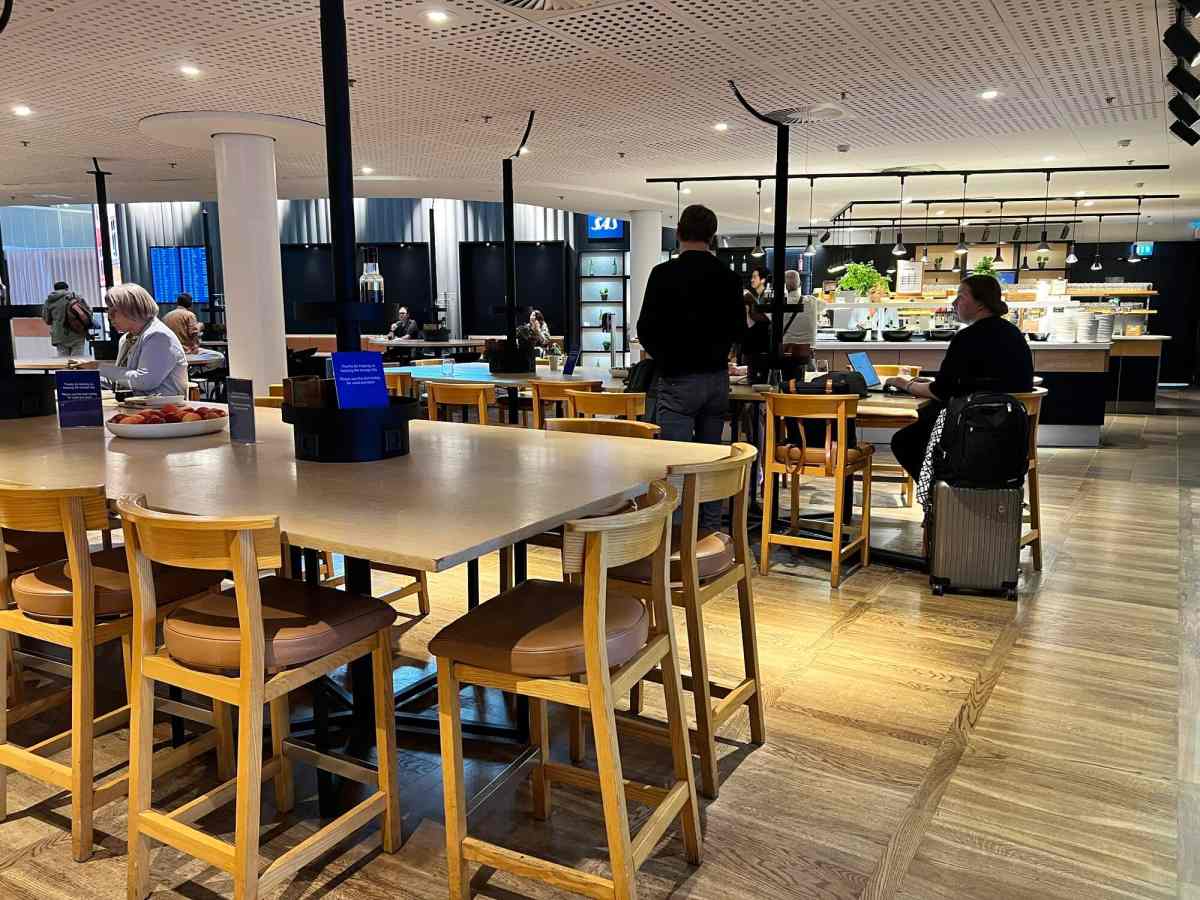
SAS is also the standard European product. It’s an economy seat, with the middle seat blocked, and nothing physically different from the rows behind you. What makes it worthwhile is the ground experience. The lounge in Copenhagen is fantastic, and CPH has a dedicated business class security area that’s separate from economy. There was only one other person in line when we went through.
We were able to shower at the lounge and get a nice meal after a great day of exploring, and we had the added perks of priority boarding and no one sharing our row. One leg was included in our long-haul itinerary for a premium economy fare, and we paid $245 for the other.
2. Icelandair Saga Business Class
Icelandair is our favorite cash-fare value of the four. We booked a round trip from DC to Oslo with a Reykjavik layover for $1,300 each during one of Icelandair’s fare sales. That price covered the full itinerary, including the Saga Class cabin both ways across the Atlantic and through the Reykjavik connection.
The best part is that Icelandair had a true business class cabin for intra-Europe flights with spacious seats in a 2-2 configuration. The seat isn’t lie-flat, but it’s genuinely wider and reclines more than the standard European product. We think of it as long-haul premium economy. It’s not a true international business class experience, but a meaningful seat upgrade with a wonderful meal and attentive service for a great price.
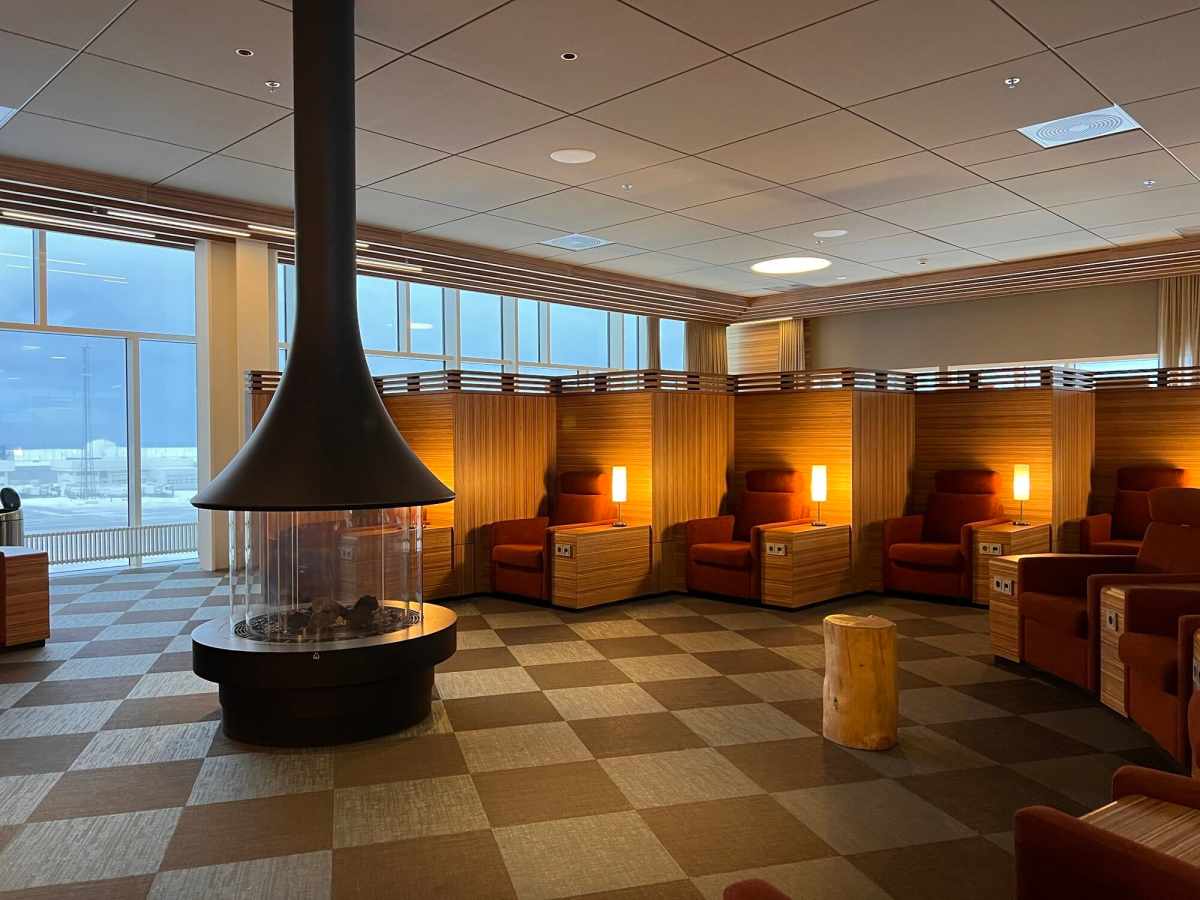
The Saga Lounge at Keflavik is a little dated but it has a calm vibe, and the loungers are useful when you’re running on empty. We have a full Icelandair Saga Business Class review with everything you’ll want to know before booking.
1. Turkish Airlines
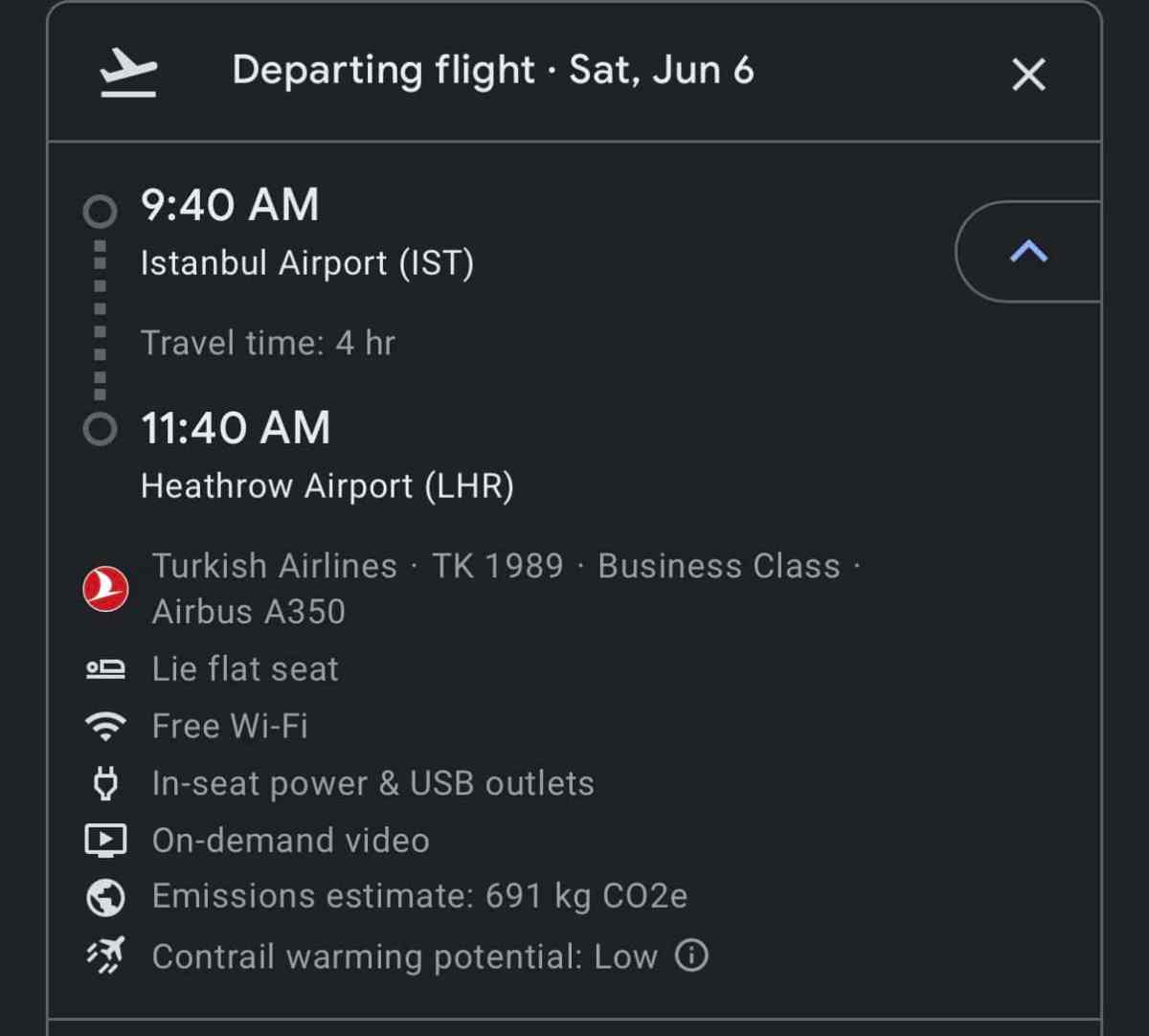
Turkish is our top pick without question. Our intra-European leg was part of a larger award trip we got for 150,000 United miles. It was a multi-stop itinerary from Newark to Europe and back. The short-haul business class seat was well above the standard European product with a 2-2 configuration – and the food onboard was noticeably better than any of the other three carriers. They even have lie-flat seats on some routes, like our 4-hour flight to London (but some flight to London just have premium seats, not lie-flat, so always check).
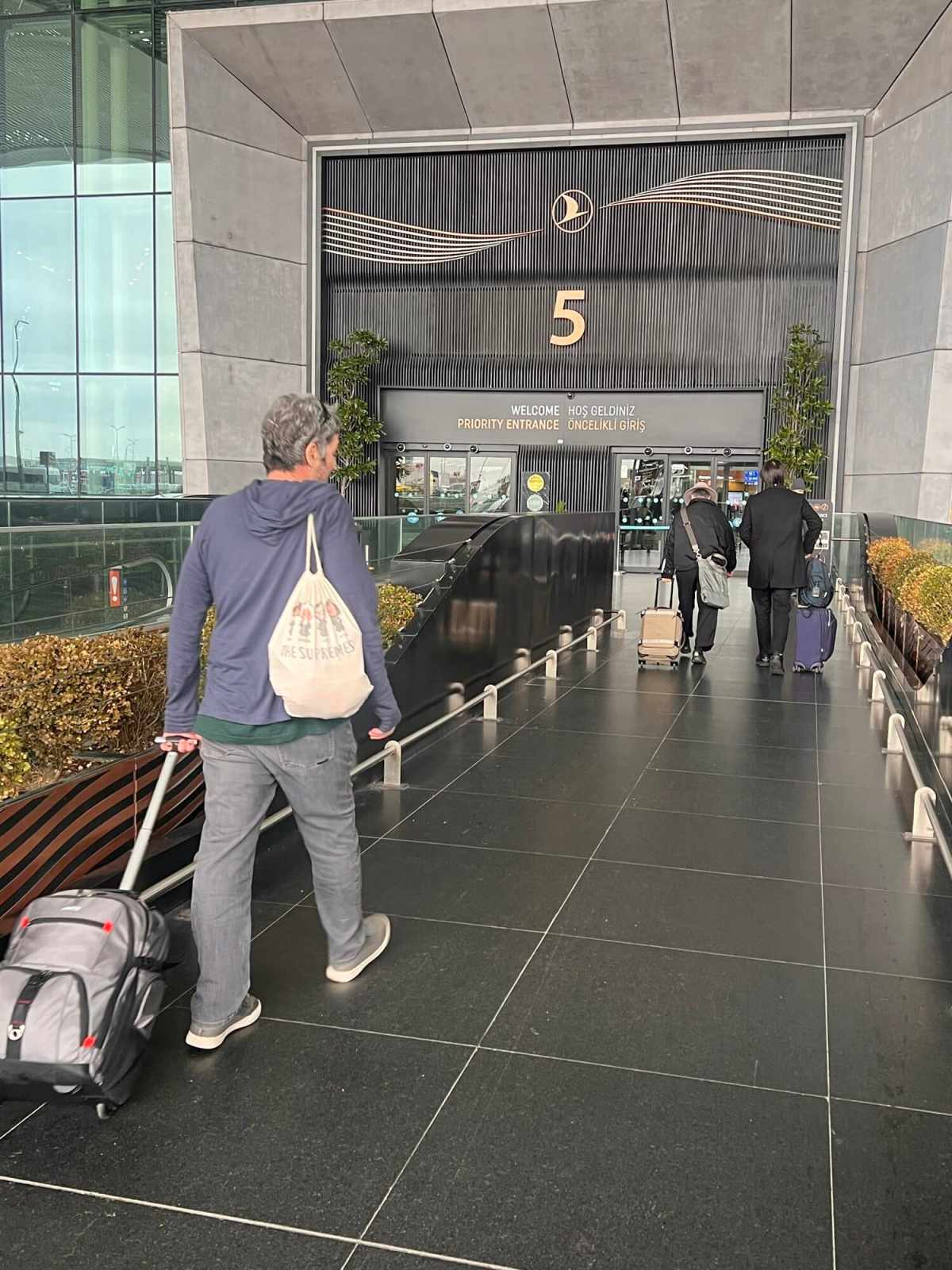
It also came with lounge access in Istanbul, which we think is one of the greatest lounges in Europe (if not the world). It’s enormous, with every kind of food and drink you could want, and enough space that it never feels crowded even when the airport is packed. If you’re connecting through Istanbul, the lounge alone is worth the experience. We also flew through here on two very long layovers to Southeast Asia and back.
You can read about our long-haul business class experience here: Is Turkish Airlines Business Class Worth It? 6 Things We Love and 1 Thing We Hate

How to Check Your Seat Quality Before Booking
Always compare on Google Flights
On Google Flights you will generally see “average leg room” for rows with the middle seat blocked, “extra reclining seat” for the ones that are more like premium economy or domestic first in the US, and lie-flat for a true business class experience. As you can see from the photos below, the product can vary significantly, even on this same route from Istanbul to London Heathrow:


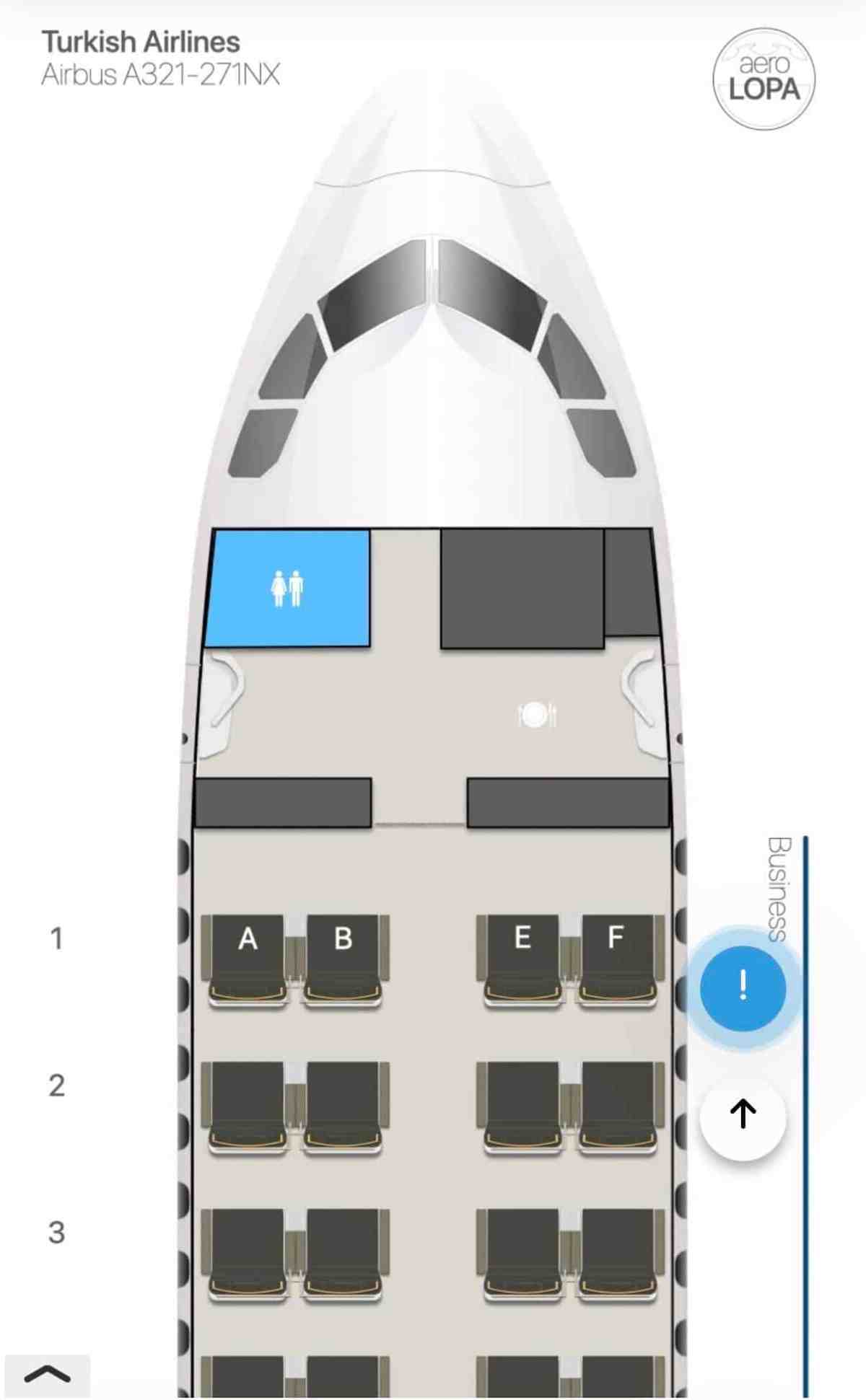
Check out the detailed seat map on AeroLOPA
You’ll see in the photos below that British Airways has a blocked middle while Turkish Airlines has a premium seat like US domestic first class for this particular plane. It’s worth noting the cash fare can be significantly more on Turkish, so add that to your value comparison.

What Makes Intra-Europe Business Class Worth It
Across all four airlines, the seat wasn’t the only reason we were glad we booked business class. We also factored in these things:
- The lounges: As you can see from our photos, we were way more interested in lounges than seats. Istanbul is world-class. Reykjavik is relaxed and good for recovering from jet lag. Copenhagen is polished and comfortable. Belgrade surprised us completely by being spacious, comfortable, and offering a delicious breakfast spread. We appreciate a good lounge, even before a short flight, and especially when connecting to or from a long haul.
- Priority security and immigration: At Belgrade, we walked through while the economy line was essentially stopped. Copenhagen has a dedicated business lane that delivers the same result. Turkish is top-notch in every way. Not every airport offers this, so it’s worth checking before you book, but many at least provide a fast pass lane.
- Boarding first: On packed short-haul routes, overhead bin space is usually gone before economy finishes boarding. Getting on first reduces anxiety.
- Disembarking first: On a tight connection or at a crowded immigration hall, being at the front of the cabin matters.
- Better food and drink service: Even with the standard-seat products, the business cabin usually gets elevated inflight service. Turkish takes this furthest, but all four were noticeably better than economy class.
- Guaranteed empty middle seat: Even if we’re only getting a blocked middle seat, on a flight over two hours, the extra space makes a real difference.
Warning: Make sure you check the carry-on and checked bag limits before you pack. Many European airlines have strict baggage and weight limits even for premium cabins, though you’ll sometimes get extra. They may also have different premium fares with different allowances and perks, like a “business light” fare. (United is starting this, too, which means the other US-based airlines will follow.) Many European airlines also charge for seat selection, even in premium cabins).
How to Book It for Less
- Search partner award availability first. When SAS was still part of Star Alliance, we booked SAS flights across the Nordic region through United’s award program at better rates than booking direct. They are now part of SkyTeam. Always check alliance partners before assuming the carrier’s own program is the best option.
- Check for fare sales. Icelandair runs fare sales several times a year. Set a fare alert in Google Flights or sign up for fare alerts through services like Daily Drop – and move quickly when you find something good. A full roundtrip from the US to Europe in Saga Class, with a Reykjavik layover built in, can come in at a price that beats most premium economy fares on competing carriers. Our 72-hour Reykjavik guide is worth a read if you want to make the most of the stopover.
- Look for a bidding program. We’ve placed (and won) upgrade bids on SAS and Air Serbia for a fraction of the listed price. This is a great way to get real value out of a business class experience – as long as you’re willing to fly in economy if you don’t win. The key is to check close to the bid closing time to see if you’ve been outbid and determine if you want to keep trying.
So, Is It Worth It?
Probably, but the price and value have to be right. We’re not going to bother for a 90-minute flight. In that case, we might add fast track and priority to a budget fare on Ryanair or EasyJet. But we will look at upgrades, and connections to add on our long-haul itinerary if it makes sense. We’ll also consider paying a little extra cash for flights that are 3-4 hours.
🥂 Bougie on a Budget: Can Flying Ryanair Ever Be First Class?
Have you flown intra-Europe business class? Which carrier and was it worth it? Let us know in the comments.

Explore More of Our Smart, Honest Reviews


