


Our 10 Best Flight Booking Strategies That Actually Work
We’ve booked hundreds of flights over the years. Over time, we’ve figured out what truly helps us get better prices, more comfortable seats, and fewer booking headaches. You don’t need to chase mistake fares or spend hours searching every portal. You can book smarter by focusing on the strategies that consistently deliver more flexibility, better seats, and lower costs without wasting time or overcomplicating things.
If you want to stretch your budget, stay flexible, and spend less time stressing over deals, here’s our tried-and-true strategy for a smoother experience.
1. Be Flexible, but Have a Plan
“Be flexible” is the most common travel advice out there. That’s easier if you’re retired or a digital nomad and much harder if your locked in to school or work schedules with limited or rigid vacation options.
We’re lucky that we can travel in the shoulder season, but we still need to maximize our paid time off by including weekends and paid holidays – and we need to limit our trips to less than 12 days for a variety of reasons.
You can still be flexible with restrictions. Here’s how we do it:
- We start every search with Google Flights and leave dates open.
- If we’re not locked into a destination, we’ll look across multiple cities or airports to see what’s pricing well.
- Even if we have a set destination, we always check whether leaving a day earlier or returning a day later makes a meaningful price difference. Sometimes Saturday to Saturday results in a huge cost savings over adding an extra night and coming home on Sunday. You can search a price grid in Google Flights to see the best dates all on one screen.
- We also look at nearby airports. In Washington, DC, we have the option of DCA, IAD, and BWI. But we even look at Philadelphia, Newark, and JFK for big international journeys. Sometimes flying into and/or out of a different city saves hundreds (or even thousands for a group).
- Just be sure to factor in all the opportunity costs: time and transportation costs to a different airport, forfeiting an extra day on your trip to save money, putting off a bucket-list trip for a cheaper destination.
If we’re not ready to book, we set price alerts and monitor them regularly. But we don’t wait forever. Once we see a good fare that fits our plan, we book (ideally with a flexible change or cancellation policy that lets us adjust if needed).

2. Book Points Well in Advance or for Last-Minute Deals
Award space is unpredictable and there are usually just a few award seats available, especially in business or first class. So booking as far in advance as possible is a good strategy. On the flipside, they often open up closer to departure, too, especially for international routes. Cash fares for those seats can be outrageously high last-minute, but points bookings can be a smart workaround.
We’ve booked long-haul lie-flat seats using points just days before departure on routes that showed nothing months earlier. On our last trip, we needed to reroute at the last minute due to a hurricane. No business class options showed up on points initially. When we checked again two days before departure, we had a few great options. We’ve also used points when a cash fare is simply too high to justify in economy.
Sometimes we check daily in the week or two before a trip if we’re still finalizing. The key is to have a refundable Option A flight in place already. If a great deal on points pops up last minute, great! If not, you still have a plan.

3. Check Airline Partners Before Booking With Points
You don’t always get the best deal by booking on points directly through the airline you’re flying. We’ve flown Qatar Qsuites by booking through American Airlines for fewer miles. We’ve used United points to fly SAS for cheap through Scandinavia (before they changes alliances), and Virgin Atlantic points to fly Delta, all for better value than going direct.
Our secret that’s almost too good to share is booking partner airlines through Air Canada. It doesn’t matter if you ever fly Air Canada or have Aeroplan points. But we’ll save the details of this game-changer strategy for another post.
If you have transferable credit card points (like Chase, Amex, Capital One, or Bilt) take the time to compare award rates across partners. You’ll also want to check fuel surcharges and taxes. Some partners charge next to nothing, and others tack on hundreds. Airports matter in this regard, too. (We’re looking at you, London Heathrow).
This takes a bit more work, but checking partner airlines significantly cuts our points cost, which translates to more travel or elevated business class experiences.
Pro tip: Some airlines are tricky and hide partners from searches or list them lower down. Look for options to search all airlines or filter by price.
4. Understand the Value of Refundable Fares
Basic economy isn’t always the cheapest option once you factor in seat selection, carry-on limits, and change fees. Always compare the price difference between basic and main cabin fares, especially if you’re traveling with bags or want flexibility to rebook.
We typically don’t book basic economy because it’s just not worth it, especially when airlines are cutting back on miles awards and elite credits for low fares. A fully refundable fare is often too pricey for us, so we go with a flexible fare that allows for free changes and an airline credit for cancellations.
This also allows us to rebooked those flights if the price drops and receive a credit for the difference – or take a credit and jump on one of those last-minute points deals we mentioned above.
Pro tip: Pay attention to credit expiration dates, this is an annoying factor that sometimes limits the value of a flex fare, especially since we like to book well in advance.

5. Try Upgrade Bidding for Business Class Seats
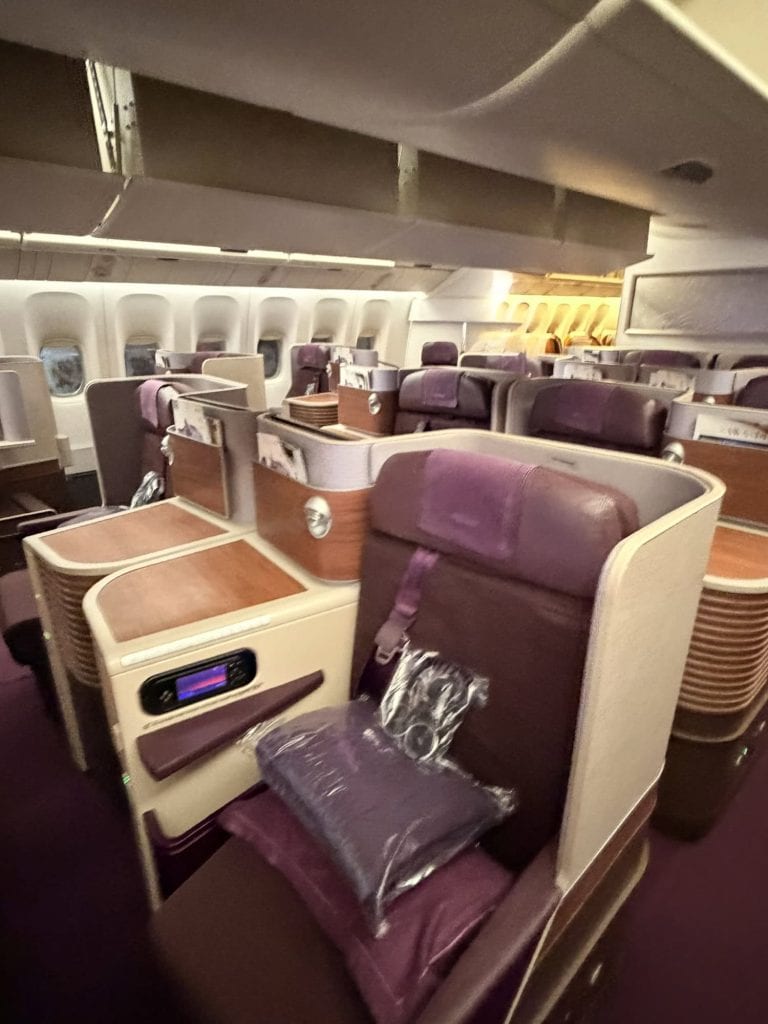
Upgrade bidding is still one of the best ways to get into business class without paying full price. After booking an economy ticket, many airlines let you submit a bid for a seat in business or premium economy. You choose how much you’re willing to pay, and if your bid is accepted, you get the seat. If not, you keep your original booking.
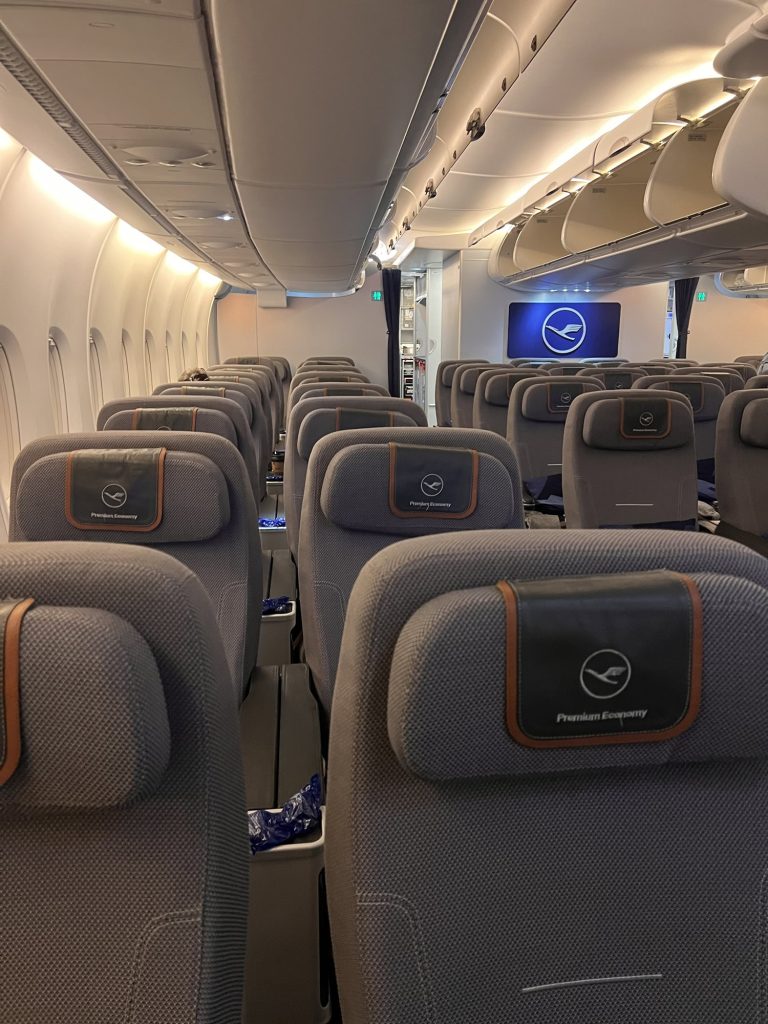
We’ve flown lie-flat many times Europe for under $500 extra this way. But you should note that we book premium economy. The acceptable upgrade bids tend to be higher from regular economy. It works best with airlines like SAS, Lufthansa, and TAP, which have a built-in upgrade bidding system in their app. Some routes have better odds than others, and timing matters. We’ve done this with SAS and TAP, where you can see if you’ve been outbid and raise your price if you’re willing.
United is great for outright purchasing business class upgrades at any time. We’ve had luck within 24-hours of departure, upgrading for $400-500 each.
Each airline handles it differently, so check your confirmation email or log into your booking. Some let you bid immediately, others notify you closer to departure.

6. Use the Airline App for Everything
Once we book, we immediately download or open the airline’s app and add the flight to our account. From there, we:
- Confirm seat assignments
- Double-check our frequent flyer number is attached
- Monitor schedule or gate changes
- Track upgrade eligibility or standby status
Apps are usually faster than email or text alerts. If we’re eligible for an upgrade or preferred seat, it’s easy to check in the app. Some airlines also let you chat with customer service in-app, which can be a lifesaver during delays or rebooking.
Pro tip: I like to check for better seats within 24-hours of departure when elite and business travelers are making changes or getting upgrades. You’d be surprised at how many premium seats become available during this time (and sometimes for free).

7. Know When to Book and When to Wait
We usually set a wish list of flight alerts in Google Flights 10 months before travel so we can watch price drops and fluctuations. The general rule is to book domestic flights between 30 and 90 days out. For international travel, book around four to six months in advance.
Many major airlines publish fares 10–11 months in advance. Early prices can be unusually high or low because the airline’s dynamic pricing hasn’t factored in demand yet. We jump on low fares at this time but obviously wait when they are unusually high. If you don’t know if a fare is good or bad, use an app like Hopper, Skyscanner, or Google Flights to help you predict when to buy. You can also get cheap flight alerts from services like Daily Drop.
Once we book, we keep checking, especially on flexible fares. If the price drops, we cancel and rebook, then bank the difference as a flight credit.
Pro tip: If you can’t cancel and rebook, it doesn’t hurt to ask the airline for a credit to cover the price drop.

8. Book Flights Direct With the Airline When Possible
Unless we’re using points through a credit card portal (though transferring to an airline is usually a better option) or find an extremely good fare through a portal, we always book flights directly with the airline.
Booking direct gives us:
- Easier changes and cancellations
- Better rebooking support if there’s a delay or cancellation
- A higher chance of getting upgraded and earning full loyalty credit
Third-party booking sites are sometimes cheaper, but they often make customer service harder, especially when you need to change something last-minute or deal with a schedule change. The few dollars saved aren’t usually worth the hassle. And if there fare drops, you’re usually stuck or have very limited fare-matching options.
9. Check All Available Departure Airports, Even If You Have To Transit
We fly out of all three DC airports, as well as Richmond, Newark, and Philadelphia on occasion. We choose our departure point based on several factors:
- Price (for premium fares we can sometimes saves thousands)
- Flight times and routes (a direct flight from EWR might be better than a layover from DC)
- Cost to transfer (a cheap positioning flight or train ride might be worth exploring farther airports but there’s a time and price point where its not worth it)
- Arrival airport (do some research to see which airports are most convenient on arrival. Is it 90 minutes from town, a short train ride, or something else entirely?)
Opening up your options can lead to cheaper flights or better routes with less hassle. For example, we couldn’t get a direct flight to Doha from DC, so we took Amtrak up to Philadelphia. For us, that was more convenient than splitting our flight up into segments with one or more layovers and it was actually cheaper.
As long as it’s on time, the east coast Amtrak line is superb. You also may be able to focus in on your preferred airlines and points programs if you venture a bit.
10. Check In Online As Early As Possible
We always check in as soon as online check-in opens (usually 24 hours before departure, though some international airlines open it earlier).
Why it matters:
- You lock in your seat assignment and are less likely to get bumped or reassigned
- You might catch an earlier upgrade window or snag a better seat
- If anything’s off with your reservation, you’ll catch it before you’re standing in line at the airport
Even if we plan to speak to a gate agent later, checking in early gives us more control.

What are your best flight booking travel hacks? Let us know in the comments.
Explore More of Our Smart Travel Tips
- Smart Travel Tips for 2026: 10 Things We Won’t Do
- How to Pick the Best Airline Alliance in 2026 and Why It Matters
- Flying Basic Economy: Your 10-Step Survival Guide
- Is SAS Business Class Worth It? An Honest Review
- Best Travel YouTube Vloggers: Our 16 Favorite Channels
- Cheap Premium Economy Flights to Europe: 3 Ways to Save Big
- 10 Travel Mistakes We Made So You Don’t Have To