


10 Underrated European Cities You Must Visit in 2026
When people plan their first or second trip to Europe, the list usually looks the same: Paris, Rome, Amsterdam, Barcelona, and London. These cities are some of our favorites, but they also come with crowds, high prices, and more tourist fatigue than it’s worth if you go in peak season.
We’ve traveled through Europe extensively and found that some of the best experiences happened in places we hadn’t heard much about before arriving. These cities are easier to navigate, less crowded, and full of local charm. Here are ten underrated European destinations we’ve visited that are absolutely worth adding to your itinerary.
1. Ljubljana, Slovenia
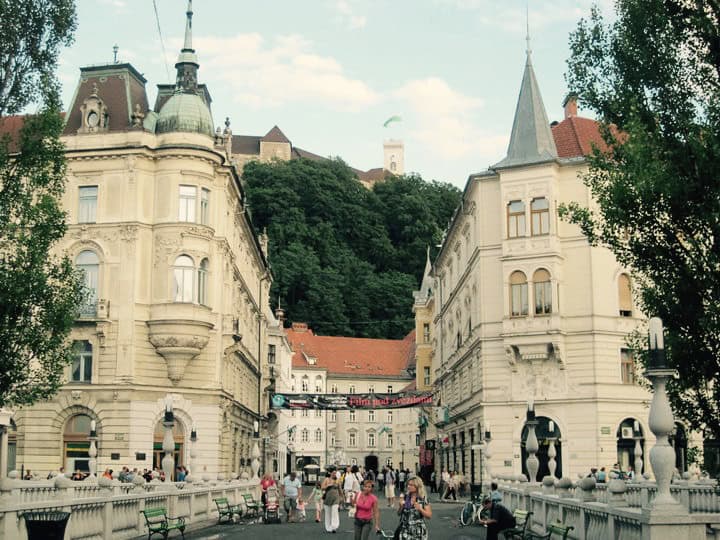
Ljubljana is one of the most relaxed and manageable capital cities in Europe, and it has this medieval, fairytale feel. It is safe, clean, and compact with a city center that’s easy to explore on foot. You can stroll along the river, stop at cafes with great local wine, or walk up to Ljubljana Castle for panoramic views.
The city has a distinct mix of Baroque and Art Nouveau architecture, and the vibe feels more like a lively university town than a capital. Tivoli Park offers green space close to the city, and the Central Market is a great spot to try fresh Slovenian food. Ljubljana is also a smart hub for day trips. You can reach Lake Bled, the Julian Alps, or Venice in a few hours.
2. Turin, Italy
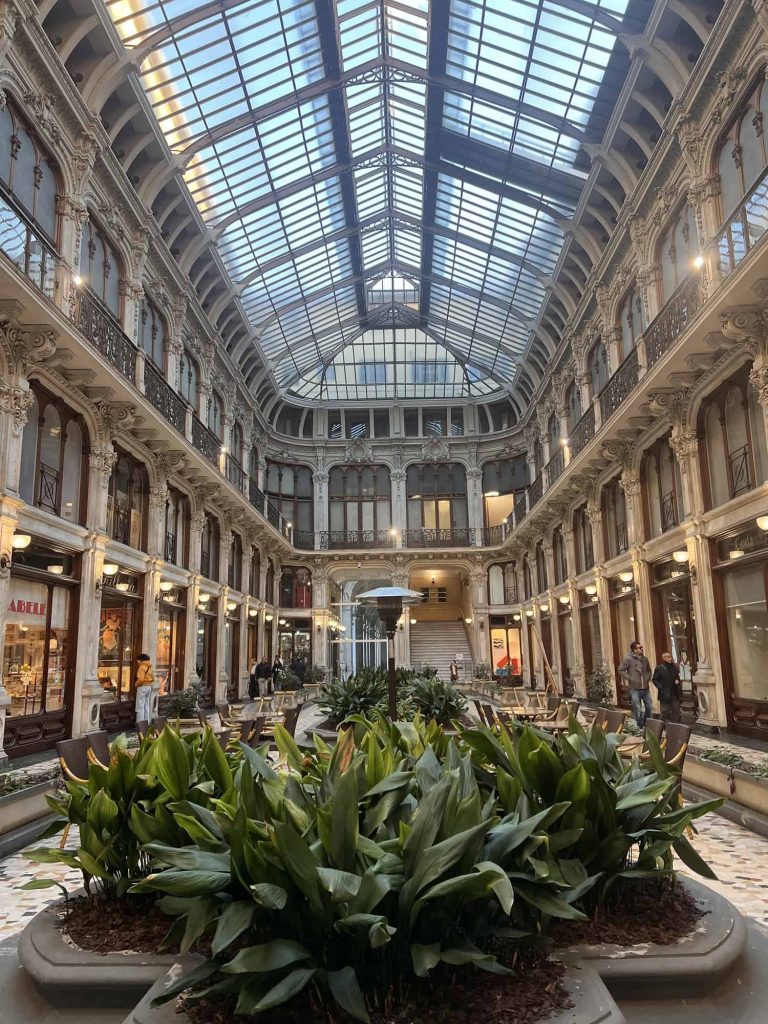
Turin is often skipped for Rome, Florence, or Milan, but it has its own beautiful character that shouldn’t be missed. It is known for its elegant architecture, historic cafes, and rich food culture. The city was actually Italy’s first capital and still has a royal feel to the buildings.
Turin is a great place to enjoy aperitivo, with excellent Piedmont wine and generous spreads offered in many local bars. The city sits at the confluence of the Po and Dora Riparia rivers, which adds to its scenic appeal. It’s a great introduction to Northern Italy and is often much less crowded and more affordable than the bigger cities. It’s also home to our amazing friend Roze in Italy. You should check out her YouTube channel for tips on traveling and living in Italy.
3. Sarajevo, Bosnia and Herzegovina
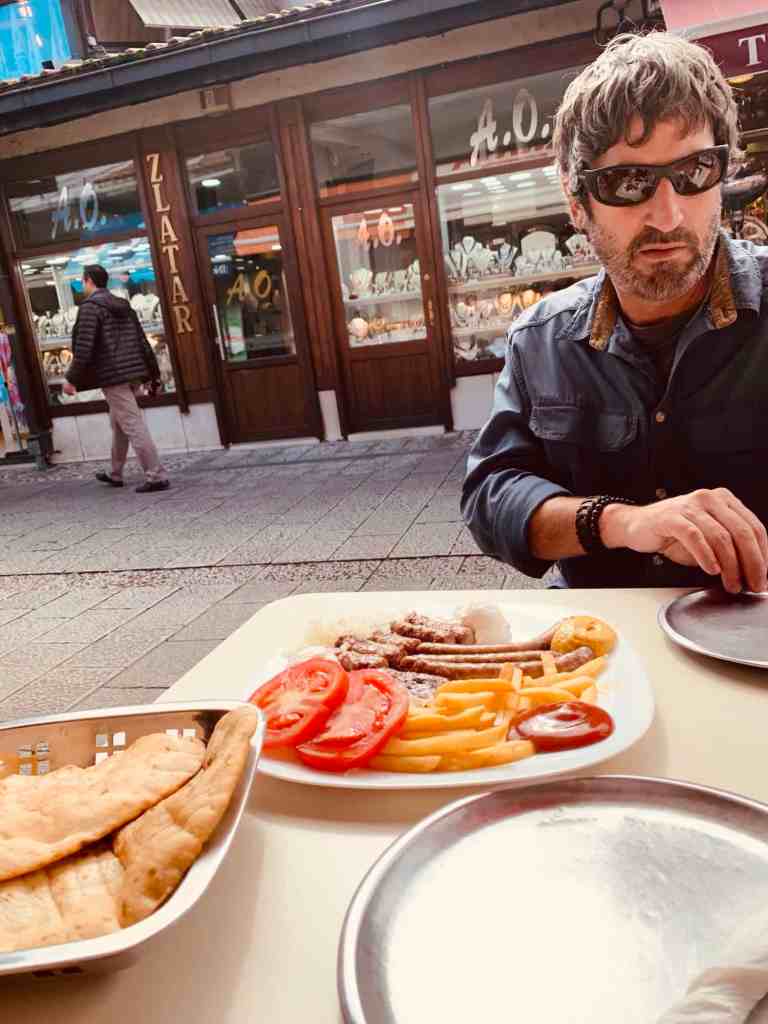
Sarajevo is a city shaped by complex history and cultural diversity. It is worth taking time to understand the city’s more recent past. You can walk from an Ottoman-style bazaar into an Austro-Hungarian district in just a few minutes. The mix of mosques, churches, and synagogues in the old town tells the story of its multiethnic culture.
Food here is a highlight. You can’t leave without trying ćevapi (grilled meat with flatbread). Prices are very affordable, and locals are incredibly welcoming to visitors. We made amazing friends who showed us the city! It was an unforgettable experience.
4. Mostar, Bosnia and Herzegovina
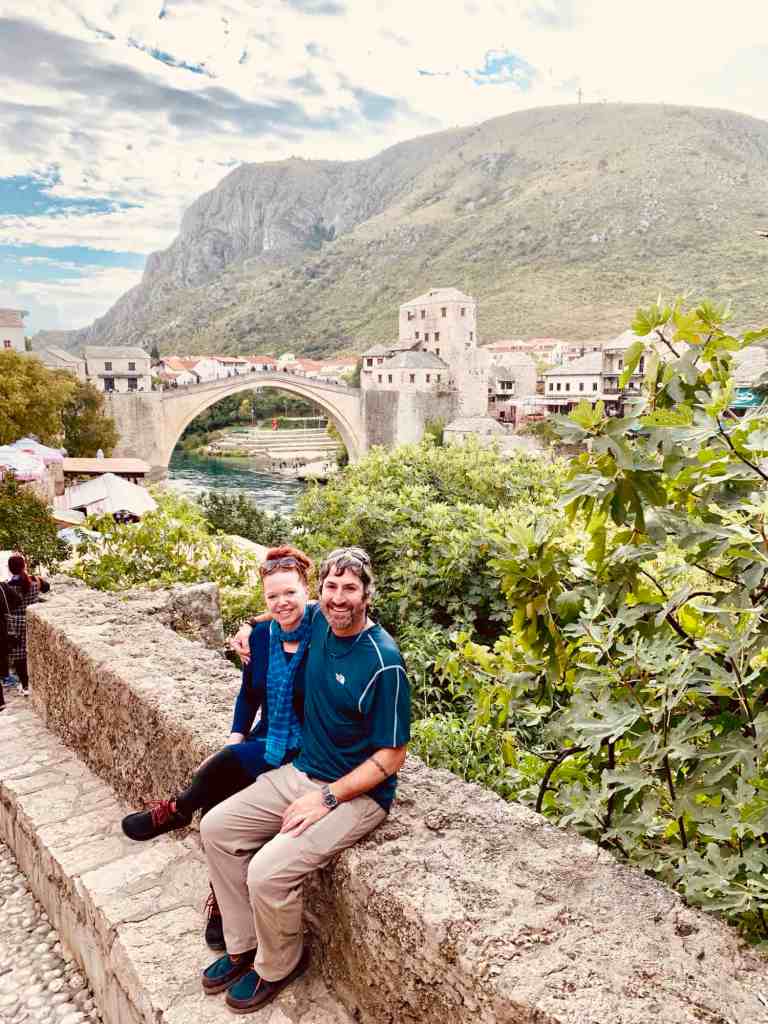
While you’re in the area, you must see this stunning town. Mostar is famous for its iconic arched bridge, Stari Most, which has been rebuilt after its destruction during the war. Today, it draws visitors from nearby Croatia and is often done as a (long) day trip from Dubrovnik. But staying overnight lets you experience it without the crowds.
The town is small enough to explore on foot and offers beautiful views over the Neretva River. Cafes along the riverbank offer quiet places to relax with coffee or tea (or a beer). We recommend spending a night here to enjoy the quieter mornings and evenings when most tour groups have left.
5. Haarlem, Netherlands
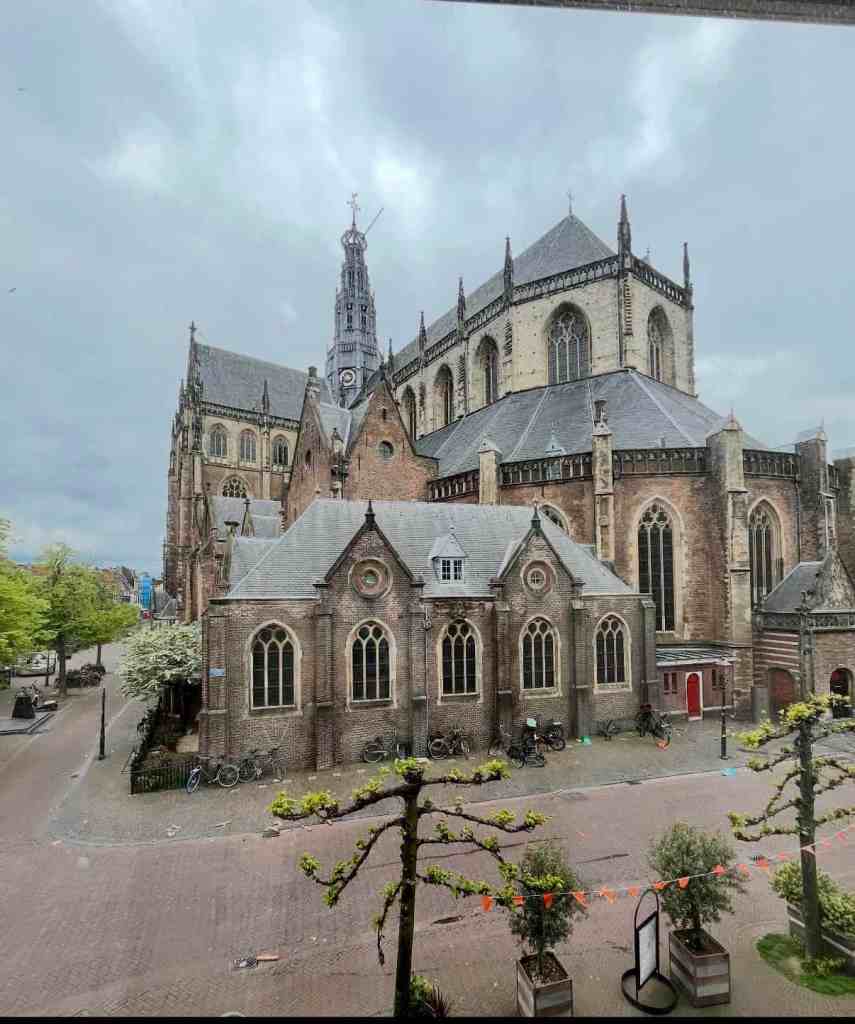
Haarlem is just 20 minutes from Amsterdam by train but feels like a different world. It has canals, charming houses, and cobblestone streets, but the pace is slower and there are far fewer tourists. The city has several great museums and a large central square that is lively but not chaotic. If you’re visiting Amsterdam, Haarlem makes a great base because it is charming, less crowded, more affordable, and easy to access by train from central Amsterdam.
6. Dijon, France
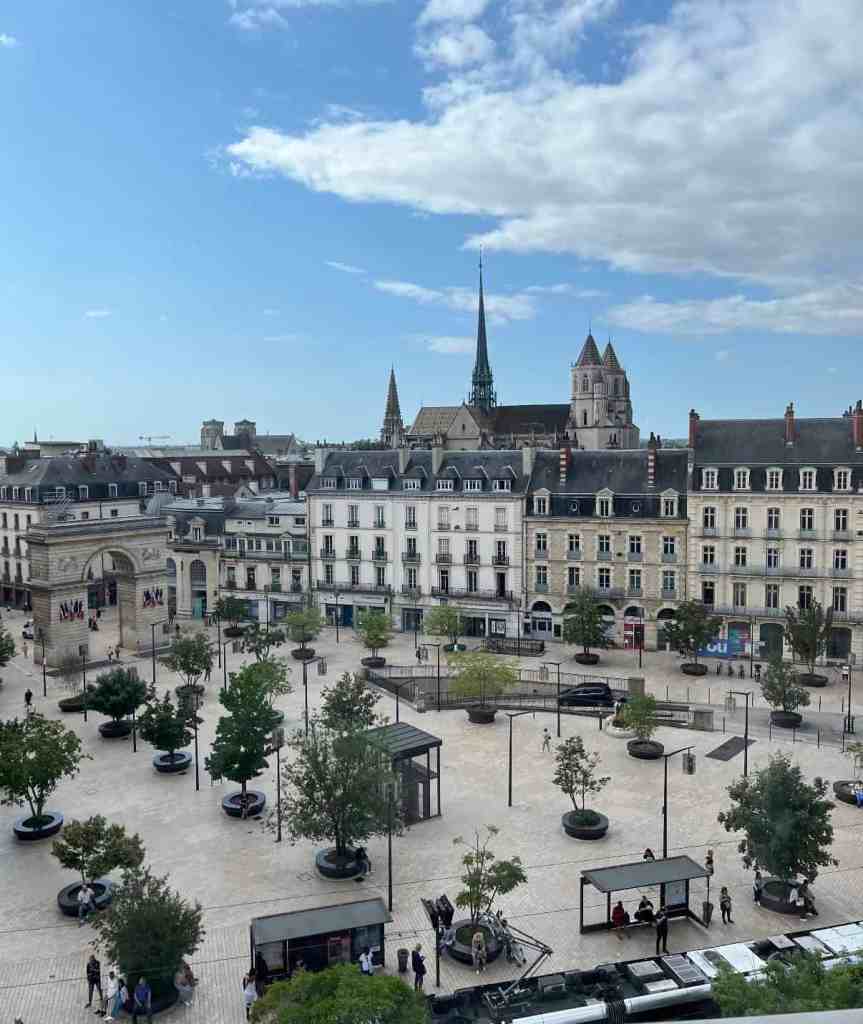
Dijon is a perfect city for people who love food, wine, and architecture. It is located in the Burgundy region of France and is known for mustard, but it also offers excellent markets, beautiful medieval buildings, and walkable streets. From Dijon, you can take a day trip to nearby vineyards or enjoy a long lunch at one of the city’s many bistros. It is much less hectic than Paris but still gives you a great French cultural experience.
7. Orléans, France
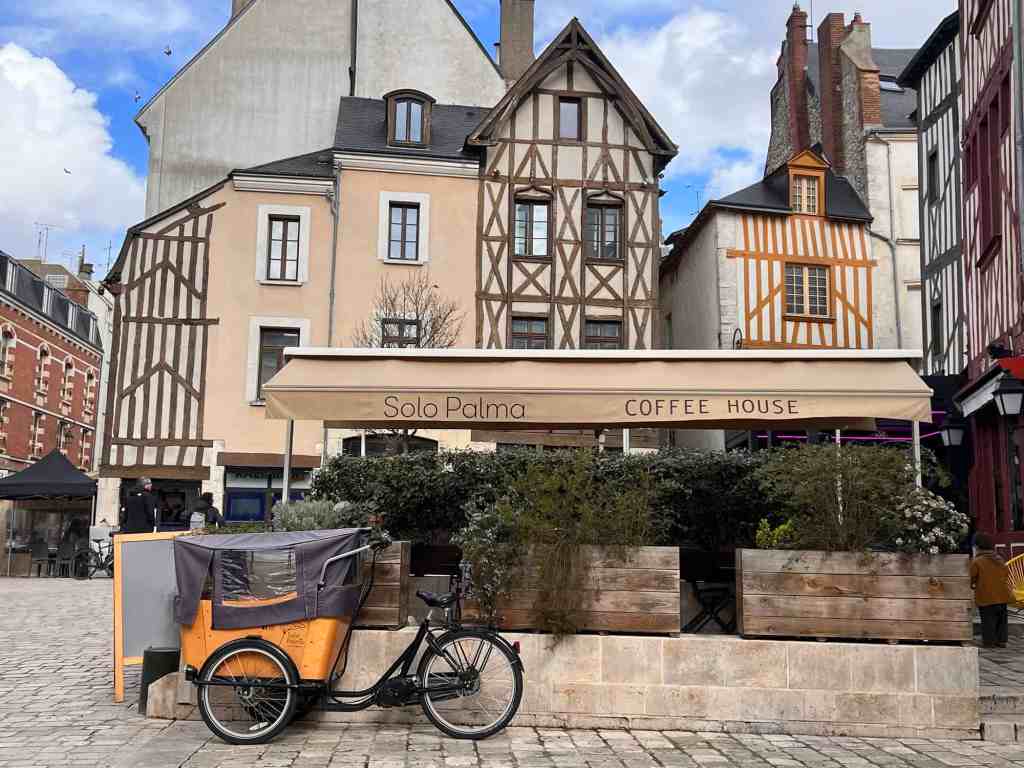
If you want to explore more of France, Orléans is located on the Loire River. It has a large, gorgeous cathedral, historic squares, and a beautiful riverside setting. The city is lively but not overwhelming and still feels very quaint with its half-timbered houses. It also makes a great base for exploring the Loire Valley without staying in Paris, or just to spend a few nights before heading down to Tours and Amboise to explore the chateaus. Trains are frequent and the city offers good value for accommodations and food.
8. Ghent, Belgium
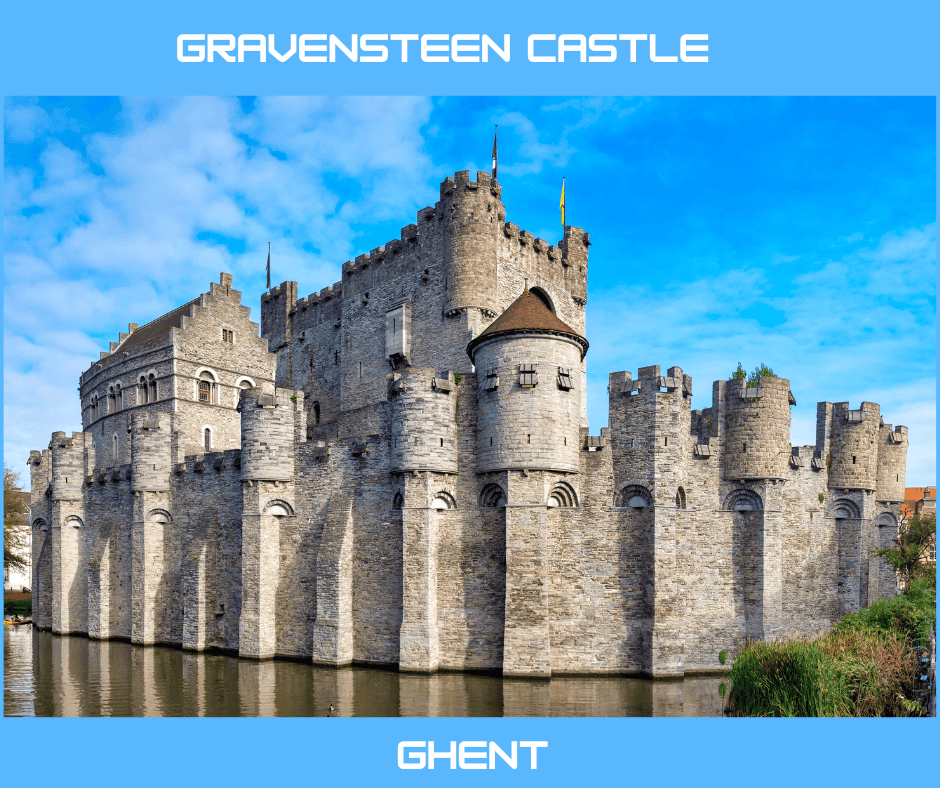
Ghent is often overshadowed by Bruges, but we actually preferred it. It has a mix of medieval architecture, a strong arts scene, and vibrant energy. The city center is compact. You can visit Gravensteen Castle, explore the old guild houses, or take a boat tour through the canals. At night, the city lights up beautifully. Ghent offers the best of Belgium without the crowds, and it is easy to reach by train from Brussels. We made Ghent our base, but we also love exploring Brussels.
9. Kotor, Montenegro
Kotor is a walled town set on a dramatic bay that looks more like a fjord in Norway than the Mediterranean. The scenery here is breathtaking, and in the old town, you’ll find narrow alleyways, small squares, and plenty of places to sit and enjoy fresh seafood. You can hike the old fortress walls for an incredible view over the bay. Kotor does get packed cruise ships during the day, so staying overnight is the best way to enjoy it. You can also check the cruise ship schedule if you want to time it best. Early mornings and late evenings are peaceful, and the light over the bay is amazing.

10. Vilnius, Lithuania
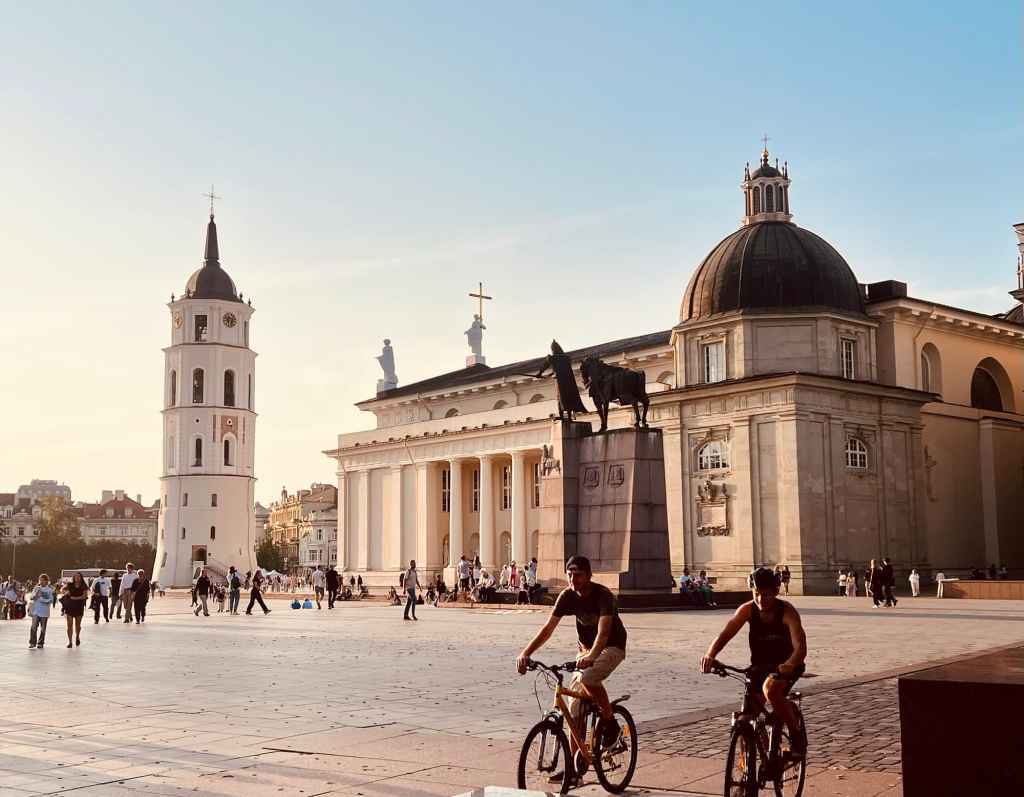
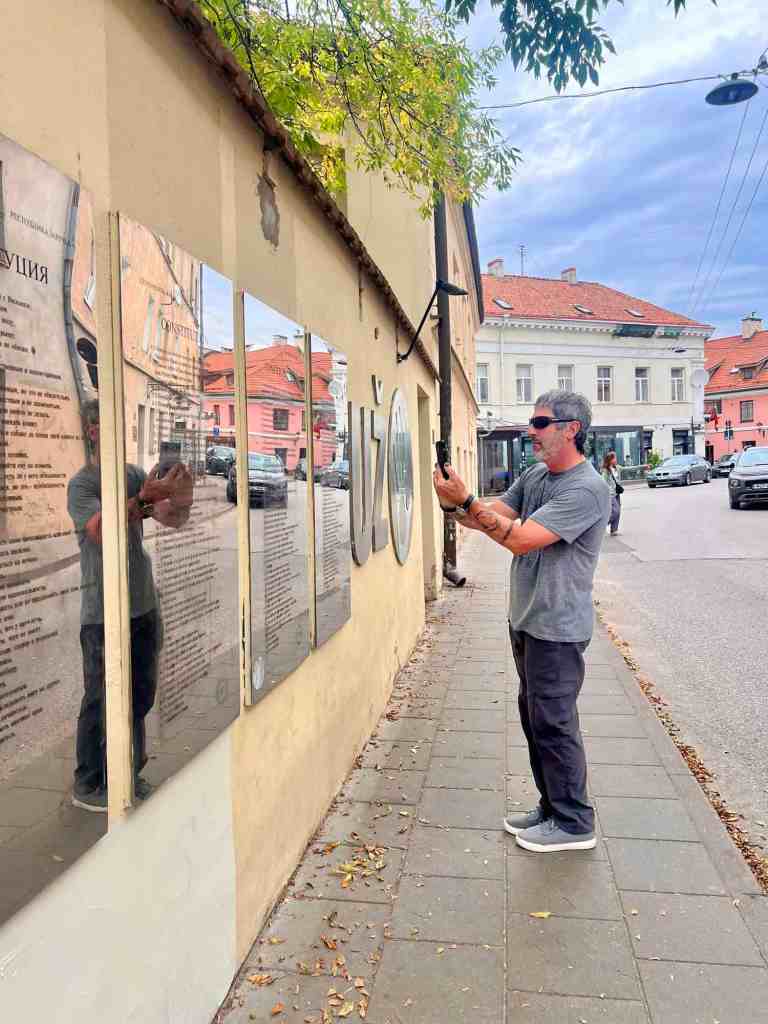
Vilnius is one of the most laid-back capitals in Europe. The old town is a UNESCO site, filled with churches, winding streets, and cafes. But what makes Vilnius stand out is its artsy side, especially in the Užupis district, which declared itself an independent republic with its own constitution. The city is easy to walk, affordable, and welcoming. You can visit Gediminas Tower for views, explore the museums for history, dine at Michelin-rated restaurants for half the price, or just relax in one of the many outdoor cafes. It is a good pick if you want to explore somewhere new without dealing with major crowds or high prices. You’ll also want to get out of the city to explore Trakai Castle Island – it was one of our favorite experiences.
🌟 Click here to follow our latest adventures on Facebook!
Our Take
We’re not saying you have to skip Europe’s iconic cities, but adding in a few lesser-known stops can completely change the feel of your trip. These smaller cities are easier to manage, more affordable, and often more memorable. If you’ve already explored the major attractions, or you’re just looking for something with a bit more breathing room, these underrated spots are the perfect places to go in Europe instead.
I love this so much. Bosnia has been on my list for YEARS. I was super happy to see Dijon on this list. One I would add: BULGARIA! Loved Sofia and Varna, as well as all of the other small towns.
Bulgaria is so high on our list! I’ve had the whole trip mapped out for years. Just need to make it happen.