
Top Travel Tips for Adventurers Over 40 + One Lasting Habit from Our 20s
We’ve been fortunate to have adventures in the US and around the world for many years. In our 20s, we stretched our dollars by staying in hostels, taking budget flights, eating street food and convenience store meals, and sometimes sleeping on chairs in airports. A lot has changed since then – though we still love street food. And we still look for the best deals, but now we balance value with comfort and convenience.
Many of our friends paused big travels in their 30s as they raised kids and focused on other priorities. Lately, they’ve asked us how our travel style has changed and what we do differently now. That got us thinking, and this post is our answer. Here are our top tips for traveling in your 40s and beyond, plus the one habit we carried forward from our 20s.
1. The hotel room isn’t just a place to crash anymore
In our 20s, we were happy if the room was clean enough to crash for a few hours. Now we care more about amenities. We still want a good deal in a walkable location, but we also pay attention to things like whether there’s a decent onsite restaurant or bar. After a long travel day, sometimes the best option is staying in, ordering a glass of wine, and eating without having to venture out again.

2. A room with a view matters
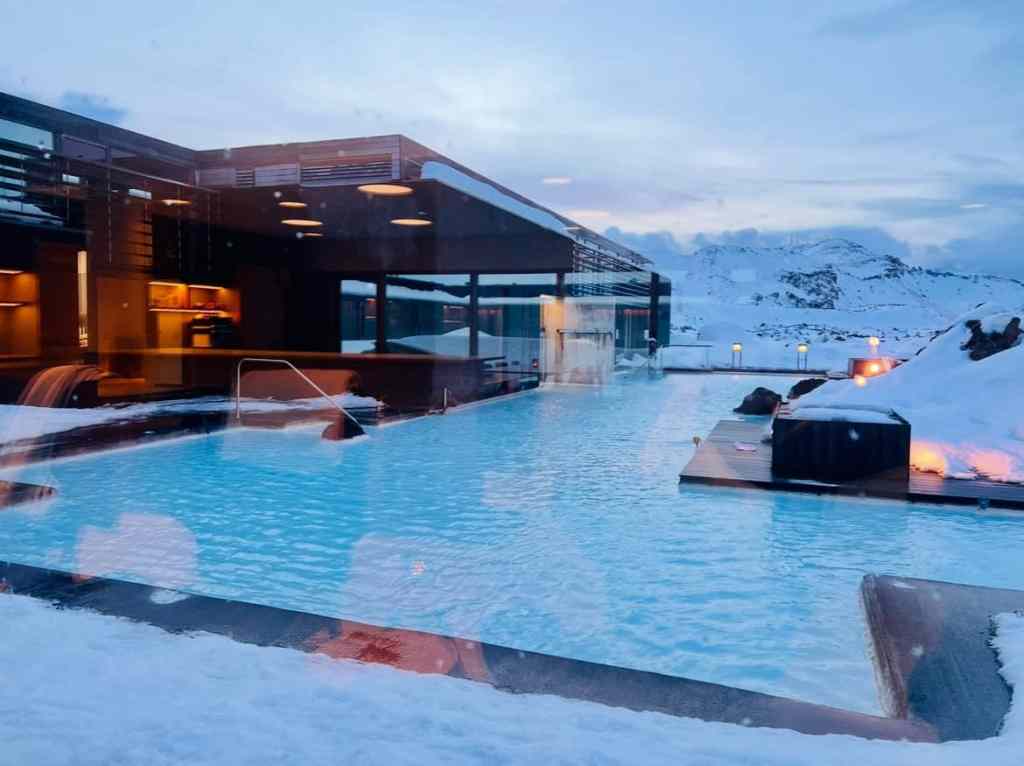
One of our favorite upgrades in how we travel is prioritizing a view. Whether it’s a balcony overlooking a city skyline, people-watching from above a lively plaza, or gazing at mountains or water, those moments with just us on the balcony have become as memorable as nights out. We still like experiencing the nightlife a bit, but this a different kind of travel joy that sneaks up on you in your 40s.

3. Use the airport lounge
Airport lounges felt unattainable when we first started traveling. We thought they were only for premium and elite travels, so it took us was too long to figure out the Priority Pass. Then we delved into credit card perks and points and miles strategies and upgraded our Chase Sapphire Preferred to a Reserve card with lounge access.

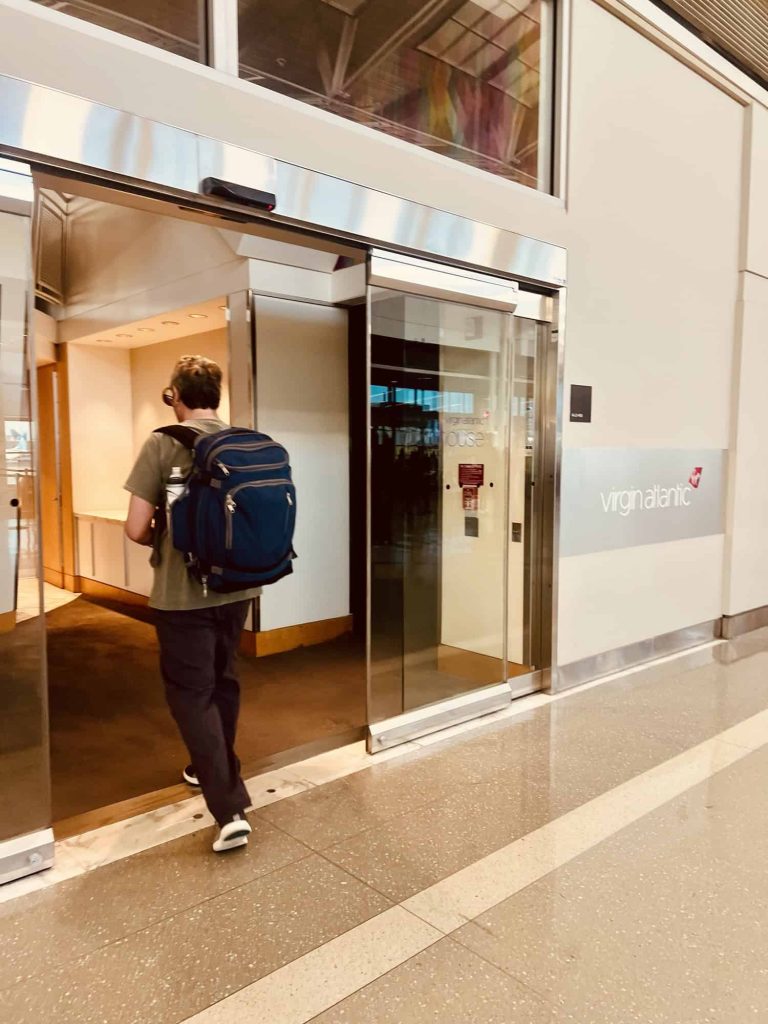
Lounges are now an essential part of our routine and it makes a huge difference: quieter space, better Wi-Fi and bathrooms, a real seat, and a meal or snack without paying airport prices.
If you chose the right credit card assess can be essentially “free.” For example, the Capital One Venture X, which also comes with lounge access, has a $400 annual fee. But you get the equivalent of a $400 credit to use in their travel portal each year to book flights, hotels, and other travel services. As long as you use the credit on travel you would purchase anyway, it covers the annual fee and lounge access is just an added perk.

4. Prioritize upgrades when it makes sense
We still don’t fly business class every time, but we do take advantage of upgrades more often. That might mean using miles, bidding, or looking for last minute upgrade deals for business class on long-haul flights or simply paying for an extra-legroom seat with priority boarding on shorter routes.
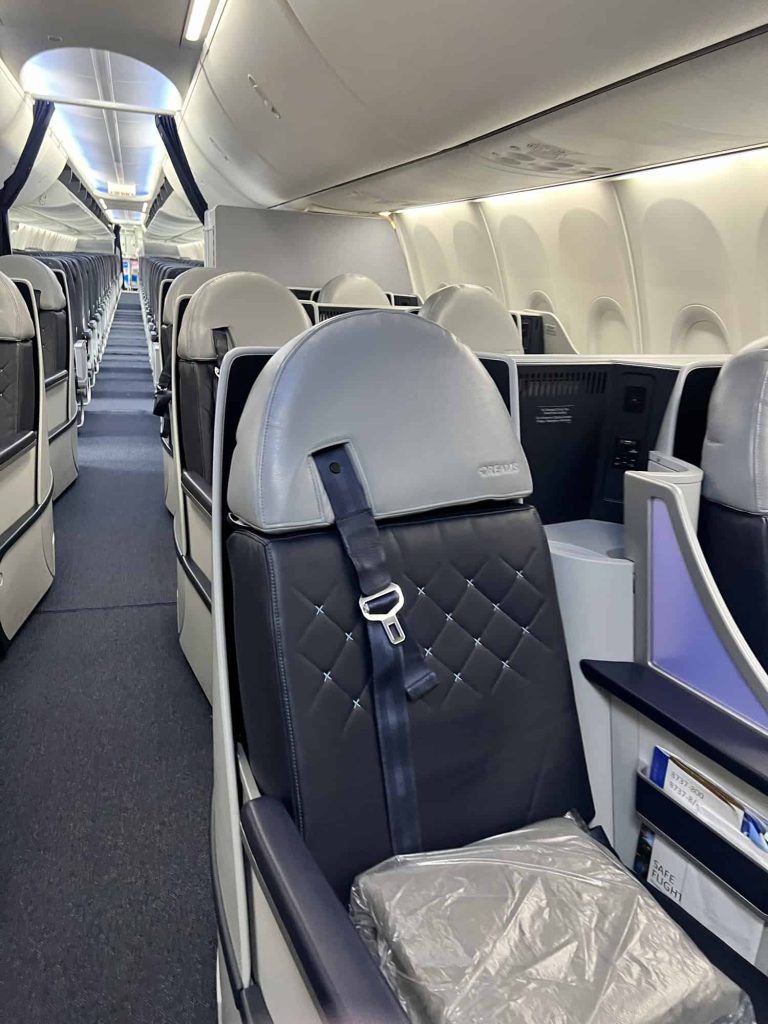
A little more space, especially on overnight flights, makes the first day of your trip much smoother.
📌 Read all about our experiences bidding on and winning Scandinavian Airlines (SAS) business class upgrades last month on to Europe.

Click here to follow our latest adventures on Facebook!
5. Skip the long lines with trusted traveler programs
If you’re eligible in the US, TSA PreCheck, Global Entry, and (sometimes) CLEAR are worth it.
Global Entry especially pays off when returning to the US after a long trip, because you can zip right through immigration. It also automatically comes with TSA Pre Check, so you’ll get both for $120 for five years (or it may be included with your travel credit card). The process is a little more involved, so you’ll have to weight whether TSA Pre Check or Global Entry is better, but if you do any international travel, Global is probably the best option.
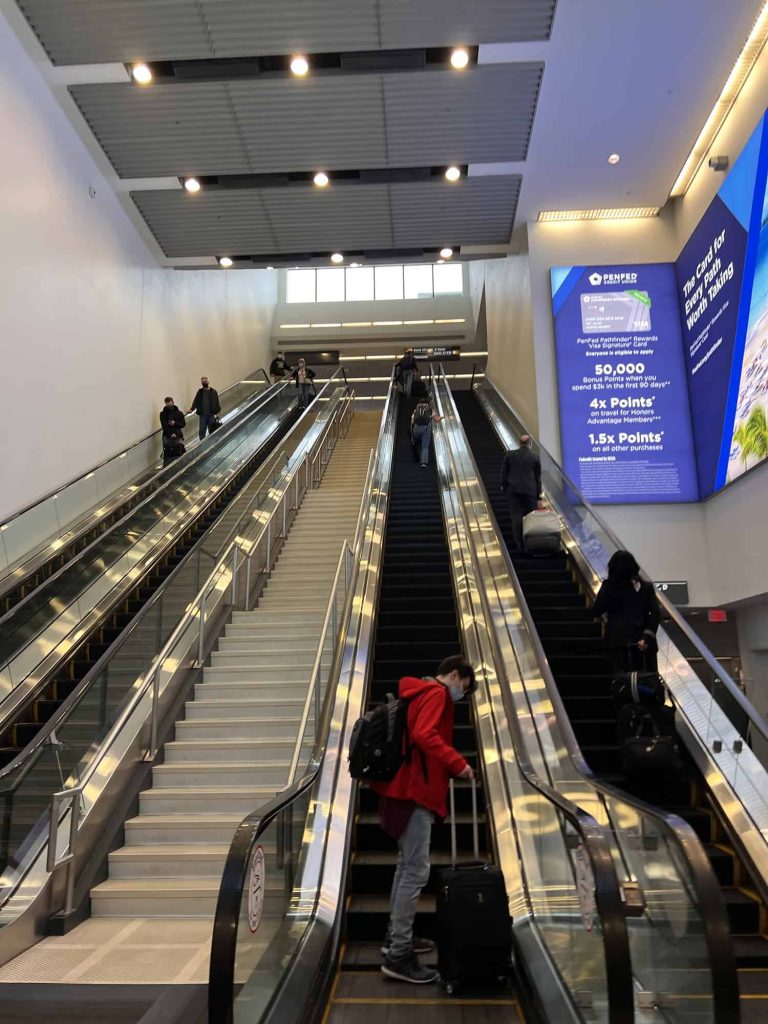
If you don’t want to pay or can’t get approved, Mobile Passport Control is free, and in our experience, it can be almost as fast. It’s actually incredible how valuable of a service it is, and how easy it is to do, but the lines are almost always way shorter than the regular line.
The value of CLEAR isn’t quite as, well, clear. If you see people scanning their faces in a separate TSA line and getting escorted to the front of the line, that’s CLEAR. It used to be an amazing VIP service that we both got for nearly free, but now it’s so popular that the CLEAR lines at many airports are longer than TSA Pre Check. This is almost always true at Washington Dulles, near our home. It’s $209 a year for one person and $125 for each additional family member. We don’t think it’s worth it anymore, unless it’s offered as a credit card perk.

Take some time to figure out which program is best for your travel needs. Regardless of which one you choose, having these options means you start and end your trip with less stress.
6. Plan transportation in advance
In our 20s, we thought figuring things out as we went was part of the adventure. Sometimes it worked, sometimes it meant standing around with luggage after dark trying to find the right bus. But when it didn’t work out, it always made a great story later! Like the time I had to sleep in the Amsterdam airport because all the hostels were booked.

Now we research in advance. If public transportation is straightforward and safe, we use it. If not, we go with rideshares or pre-book car services, or train tickets. It saves time and prevents frustration, especially when arriving somewhere new and tired. Oftentimes when we travel to Central America, our flights arrive late, and it’s good to know a driver with a sign with our names on it will be waiting to take us to our hotel.

7. Balance tours with flexibility and luxury
Traveling in our 40s, we’ve learned that booking a mix of structured tours and free time works best. Guided tours are great for understanding history and culture, and they often include experiences we wouldn’t manage on our own. Our favorite is WithLocals for private food tours.

📌 You can read about our Edinburgh food tour here.
At the same time, leaving space in the itinerary lets us stumble into local events, pop into a neighborhood café, or just wander without pressure. Those unplanned moments often become highlights.
📌 We had an amazing time wandering around Copenhagen on our own and creating a DIY food tour.
In our 20s, we pinched pennies everywhere. Now in our 40s, we’re more thoughtful. We’ll happily skip an overpriced tourist trap to save money for something truly memorable like a cooking class, dinner in the Eiffel Tower, or a local concert. Those experiences now become the stories we tell for years, rather than the crazy hostel adventures or nights on the town.

8. Keep health and energy in mind
This wasn’t on our radar in our 20s, but now we’re more mindful about rest and stamina. It used to be “go, go, go” with little sleep or downtime. Now, we don’t schedule early-morning tours after a late-night flight, and we always build in downtime so we don’t burn out halfway through the trip.
Comfortable shoes, staying hydrated, and pacing activities matter more now, and we’ve found we enjoy trips more when we don’t overpack the schedule.
📌 You can still be comfortable and stylish. These Allbird Chelseas are water resistant, sturdy, and cute (nothing here is sponsored, I just love these). Pro Tip: I got these for free with a gift card just from using Capital One Shopping browser to make travel purchases.
9. Make laundry part of the plan
Packing light is easier when you know you’ll have laundry access. If we’re on a longer trip, we’ll book an apartment with a washer halfway through. Laundromats have also gotten easier to use in many cities, with apps that alert you when your wash is done. You can drop clothes in, grab lunch, and come back to clean, dry gear without wasting a day. We find this strategy better than lugging too much gear in heavy bags.
10. Don’t skip travel insurance
We never bought travel insurance in our 20s, and we were lucky. These days, it’s not something we’d ever skip. Flights get canceled, luggage gets lost, and medical care abroad can be expensive. The biggest risk is if you ever need to be medically evacuated. That can cost tens of thousands of dollars, and it’s not something most of us could just pay out of pocket.

We use GeoBlue’s annual package to supplement our existing insurance, though they also have short-term and trip-specific options. Many credit cards cover trip delays, cancellations, or lost baggage, but they don’t usually cover major medical needs or evacuation. Having an extra policy gives us peace of mind so we can enjoy the trip without worrying about what happens if something goes wrong.
The one thing we kept: the backpack
Even though our travel style has evolved, we still use a backpack instead of rolling luggage most of the time. Our go-to is the Mother Lode Jr., which has plenty of organizing pockets and fits as a carry-on. The trick is not letting it get too heavy; we keep it under 20 pounds to protect our backs (those some airlines limit carry on bags to 17 lbs or even less, so always check).
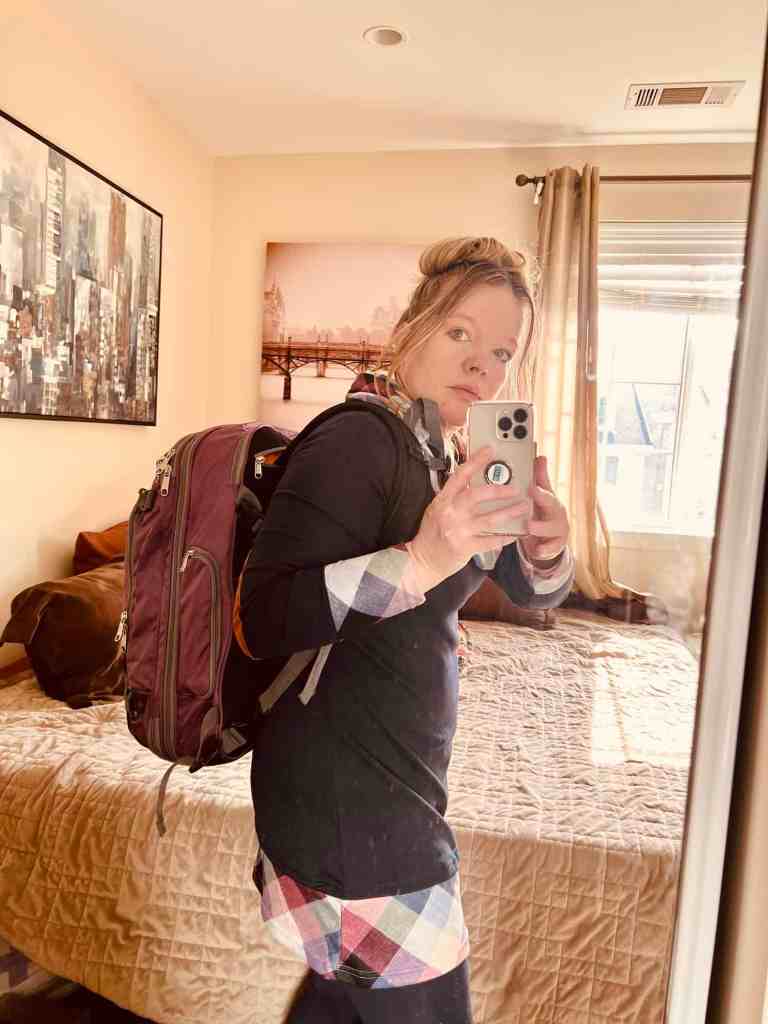
A backpack makes it easier to walk from train stations, navigate cobblestone streets, and move through airports quickly.
We’ve traded hostel bunks for hotel balconies, instant noodles for dinner in the lounge, and chaotic arrivals for smooth pre-planned transfers. But the spirit of adventure is still there, and we’ve found new ways to enjoy the journey.
And yes, the backpack is still with us, proving some habits are worth keeping no matter how old you get … so long as our shoulders can handle it!
How has your travel changed over the years? What tips do you have? Let us know in the comments.
Explore More of Our Travel Tips
- Flying Basic Economy: Your 10-Step Survival Guide
- Is SAS Business Class Worth It? An Honest Review
- Best Travel YouTube Vloggers: Our 16 Favorite Channels
- Cheap Premium Economy Flights to Europe: 3 Ways to Save Big With “Budget Luxury” Options
- Why I’m Keeping My $795 Chase Sapphire Reserve and How I’m Changing My Points Strategy